Consumer Tips: Drinking Overnight Water Will Be Poisoned Is a Rumor
Water is the source of life and one of the seven essential nutrients for the human body. Nowadays, the propaganda about drinking water in the market is dazzling and indistinguishable.
The so-called mineral water, bottled water, cool white water, hard water ...... What are they all? Is there a big difference?
The actual water that we should drink is the one that we have to drink, and on January 10, the Jiangxi Provincial Market Supervision Bureau issued a consumer alert, specifically pointing out that the so-called drinking overnight water will be poisoned is purely a rumor.
Not all water is called mineral water
Usually we are used to bottled water collectively called "mineral water", but in fact, not all bottled water is mineral water. In the National Standard Beverage General Rules (GB/T 10789-2015), it is divided into mineral water, pure water and other drinking water.
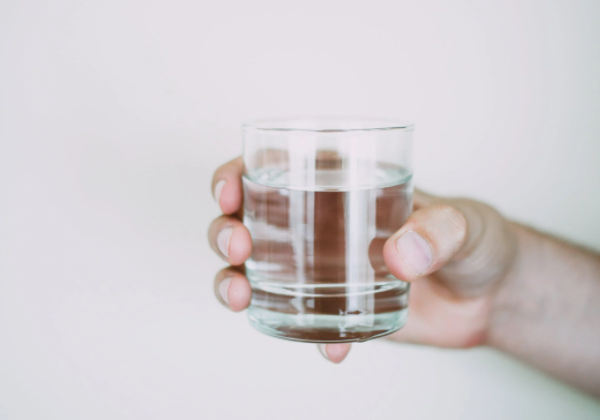
Mineral water comes from water that gushes naturally from deep underground or is collected by drilling and is uncontaminated. It retains its original minerals and trace elements, replenishing the body with the water it needs and a variety of essential minerals and trace elements.
Purified water is water that has been distilled, electrodialysis and other water purification processes to remove basically all minerals and other impurities and bacteria.
There are many other types of drinking water, including spring water, natural water and mineral water.
Drinking hard water does not increase the risk of stones
Hard water is water that contains a high level of soluble calcium and magnesium compounds. After boiling water, a layer of white scale will appear on the inner wall of the kettle.
This layer of scale is actually a precipitation of calcium and magnesium salts in the water that has been heated and turned into insoluble calcium carbonate, magnesium hydroxide, magnesium carbonate and other calcium and magnesium salts. This phenomenon occurs, indicating that the water is relatively hard.
Drinking hard water generally has no effect on human health and does not increase the risk of developing stones. However, because of the poor thermal conductivity of limescale, it can affect the thermal conductivity of the walls of the kettle.
Overnight water has very low nitrite content
The so-called cool white water is a type of water that is obtained by boiling water and then allowing it to cool naturally. "Drink more plain water" is the unanimous advice of many food nutritionists at the Chinese Nutrition Society.
However, from time to time in life, you will hear the saying that "overnight cold boiled water and water with a high nitrite content will be toxic and carcinogenic if you drink too much of it".
In fact, toxicity is not a matter of dose, and too much nitrite can cause lack of oxygen in the body, leading to coma and even death in severe cases.
However, the nitrite content in overnight water and tumbling water is far less than the amount that causes disease.
Drinking water should also be scientific
How much water do you drink a day to meet your body's needs? The Dietary Guidelines for Chinese Residents (2016) recommends 1500-1700mL per day for adults, while drinking plain water and tea is recommended. People who engage in physical work need to drink more water in moderation because they sweat a lot and lose a lot of water.
Electrolytic water is water containing sodium, magnesium, calcium, potassium and chlorine, which are involved in many important metabolic activities in the human body. When people sweat a lot, they will lose a lot of water, potassium, sodium and other electrolytes, resulting in dizziness and fatigue, nausea and vomiting. Therefore, it is advisable to take some electrolyte water after exercise and sweating.
What is the risk of Pseudomonas aeruginosa being detected in drinking water? Pseudomonas aeruginosa is a common gram-negative bacterium that is widely distributed in nature, and can be found in soil, water, air, normal human skin, respiratory tract and intestinal tract.
It is a health risk to people with weak resistance and can cause acute enteritis, septicaemia, skin inflammation and other diseases.
The causes of excessive Pseudomonas aeruginosa in drinking water include contamination of the water source, incomplete sterilisation during the production process or lax hygiene control, and substandard cleaning and disinfection of packaging materials.
Therefore, the National Standard for Food Safety Packaged Drinking Water (GB 19298-2014) stipulates that Pseudomonas aeruginosa must not be detected in packaged drinking water.

You May Interested In


High Quality β-Nicotinamide adenine dinucleotide CAS 53-84-9 NADwith ready stock and best price
$3/UNIT FOB


2026-10-12
Trade Alert
Delivering the latest product trends and industry news straight to your inbox.
(We'll never share your email address with a third-party.)

Related News
-
What are the chemicals used to purify water in South Africa?
-
Food Health:Getting Alkaline Foods Right
-
List Two Chemicals Used to Purify Water and What You Need To Know.
-
Unable to get the new crown vaccine for medical reasons What can I do to protect myself?
-
Where does the 26-year age limit for hpv vaccination come from?
-
Heavy metal contamination detected in 1 batch of shrimp mayflies
-
Sudden death of female university student jogger! Experts suggest: popularize CPR, add AEDs in public places
-
Watson Bio's Bivalent HPV Vaccine Approved
-
China Small Molecule Innovative Drugs Industry Trends to 2022
-
Global Sweetener Innovation Trends
Recommend Reading
-
![Profits Are Rising, but So Are the Risks—China’s Coatings Industry Is Living Through Its Most Awkward Year]()
Profits Are Rising, but So Are the Risks—China’s Coatings Industry Is Living Through Its Most Awkward Year
-
![Qatar LNG Supply Disruption Persists for Nearly Six Months, Exports Plunge 96%]()
Qatar LNG Supply Disruption Persists for Nearly Six Months, Exports Plunge 96%
-
![Death Toll from Fire at China-Russia Amur Polyolefins Project Rises to 15 as Construction Continues]()
Death Toll from Fire at China-Russia Amur Polyolefins Project Rises to 15 as Construction Continues
-
![South Korea to Impose Anti-Dumping Duties on Caustic Soda: Chinese Mainland Firms Face Up to 22.21%, Taiwan Region 38.89%]()
South Korea to Impose Anti-Dumping Duties on Caustic Soda: Chinese Mainland Firms Face Up to 22.21%, Taiwan Region 38.89%
-
![Saudi Aramco Weighs Discounts of Up to $9/Barrel on Oman STS Crude as Freight Costs Surge]()
Saudi Aramco Weighs Discounts of Up to $9/Barrel on Oman STS Crude as Freight Costs Surge
-
![Supply Reduction Leads to Increase in Ammonium Sulfate Prices in November in China]()
Supply Reduction Leads to Increase in Ammonium Sulfate Prices in November in China
-
![Business Society’s August 28, 2026 View on Isooctanol Market Trends: Stagnation and Price Rise Warning—Bearish Outlook]()
Business Society’s August 28, 2026 View on Isooctanol Market Trends: Stagnation and Price Rise Warning—Bearish Outlook
-
![Business Society’s September 2, 2026 Methanol Market Outlook: Volatile Pattern]()
Business Society’s September 2, 2026 Methanol Market Outlook: Volatile Pattern
-
![Premium Global Chemical Sourcing Requests (22-27 Nov 2025)]()
Premium Global Chemical Sourcing Requests (22-27 Nov 2025)
-
![Business Society’s Market Outlook for Epichlorohydrin on August 27, 2026: Strong Consolidation (Bullish)]()
Business Society’s Market Outlook for Epichlorohydrin on August 27, 2026: Strong Consolidation (Bullish)