Get to know about minerals that react with HCL
There are many minerals that react with HCL in a variety of ways. Some of this may depend on a mineral's type, but some may also react in a multitude of different ways. One mineral that is often found in this reaction would be copper. This can change the color to a dark green or blue/black depending on the concentration of HCL and the amount of time it reacts with it. This minerals includes;
1.Calcite
This mineral reacts with HCL by turning a milky white color. This reaction is usually done in the presence of water and can have an effect on the stability of the product.
2.Magnesite
Magnesite is a magnesium carbonate that reacts with HCL and will turn a light green color. This is on of minerals that react with HCL. This reaction can last up to several days, so it is important to be careful when handling this mineral while it is reacting with HCL.
3.Andradite
Andradite is an iron ore that is often found in mines. It becomes a brownish color when it reacts with HCL and can last up to few days.
4.Titanium dioxide-Waste from the mining industry.
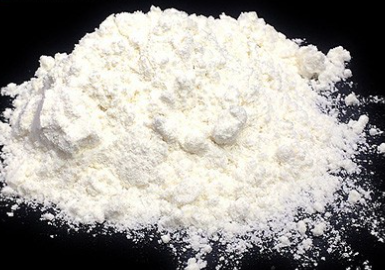
Titanium dioxide is a white powder that acts as an antacid, toothpaste, and paint pigment. When it reacts with hydrochloric acid the titanium dioxide will turn a light green color and can last for over several hours. This reaction is usually done under water since hydrochloric acid will react with oxygen in the air to form chlorine gas, which could cause breathing problems or damage skin tissue.
5.Phospates
These minerals often form a white or grayish green color when they react with HCL. Phosphates like this are often used in fertilizers and they can turn a yellow-brownish color when they are exposed to HCL.
6.Concretions
Concretions include various minerals that are found in the ground or dirt such as; concretion, cracks, cavities, and caves. When these concretions react with hydrogen chloride it turns a light greenish black color that looks slightly viscous like jelly. This jelly like substance is called hydroxide of lime (calcium hydroxide).
7.Azurite
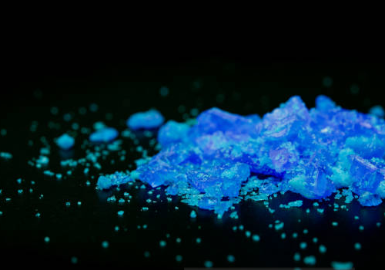
Azurite is an ore that contains copper. When it reacts with HCL the azuroite becomes a dark blue or green color. This reaction can take up to several days to complete and is best done under water.
8.Manganese
Manganese is a rock that contains manganese oxide and when it reacts with HCL the manganese oxide will turn black in color. This is another minerals that react with HCL. This reaction can also be done under water since hydrochloric acid will react with oxygen in the air to form chlorine gas, which could cause breathing problems or damage skin tissue.
9.Copper
As mentioned above, copper is often found in rocks and will react with HCL by changing the color to a dark green or blue/black. This reaction will last up to several days and is best done under water. This reaction is often done in the presence of water, as well.
10.Garnierite
Garnierite is a mineral that contains iron and oxygen. When it reacts with HCL the garnierite becomes a dark green/blue or black color that looks like it has jelly like substance in it, which is called hydroxide of lime (calcium hydroxyde). This reaction can last up to several days to complete and is best done under water since hydrochloric acid will react with oxygen in the air to form chlorine gas, which could cause breathing problems or damage skin tissue.
11.Gypsum-Waste from the construction industry.
Gypsum is often mined in large quantities and used in road construction as well as wallboard and plaster. The reaction of gypsum with HCL results in a white colored substance that has been named calcium chloride dihydrate. This reaction is usually done under water since hydrochloric acid will react with oxygen in the air to form chlorine gas, which could cause breathing problems or damage skin tissue.
12.Shellac-made from the bark of trees.
This is a sticky substance that was used as a nail polish and adhesive in the past. The reaction of shellac with HCL will produce a dark green color, which looks jelly like like substance, but it is actually an azo dye known as 1,4-diazobenzene. This reaction can last up to several days and is best done under water since hydrochloric acid will react with oxygen in the air to form chlorine gas, which could cause breathing problems or damage skin tissue.
The above are examples of some minerals that react with HCL in a variety of different ways, but there are also other minerals that react with hydrochloric acid in similar ways. It is important to remember to work safely when performing these reactions and use precautions as needed.
Looking for chemical products? Let suppliers reach out to you!
You May Interested In


Glow70/KLOW80 99% China Peptides Warehouse Direct Delivery Lyophilized Powder in Stock
$169/UNIT FOB


2026-10-12
Trade Alert
Delivering the latest product trends and industry news straight to your inbox.
(We'll never share your email address with a third-party.)

Related News
-
Fipronil: Uses, Safety, and Environmental Impact
-
Ethylene Glycol: Production, Uses, and Safety
-
Barium Sulfide: Properties, Uses, and Safety
-
EDTA (Ethylenediaminetetraacetic acid): Chelation Therapy & Industrial Uses
-
Microcrystalline Cellulose: Applications in Pharmaceuticals
-
Magnesium Stearate in Supplements: Is it Safe? (Vegan Status & Function)
-
Polystyrene (PS): Properties, Foam Applications, and Recycling Challenges
-
Calcium Acetate: Medical and Industrial Applications
-
Carbon Tetrachloride: Uses, Hazards, and Industrial Applications
-
Sodium Chloride (NaCl): Food Grade vs Industrial Grade Uses & Safety Data
Recommend Reading
-
![Chemical Raw Materials: How to Source Quality Suppliers & Understand Grades]()
Chemical Raw Materials: How to Source Quality Suppliers & Understand Grades
-
![Applications of Caesium Iodide]()
Applications of Caesium Iodide
-
![Nature’s Blueprint, Science’s Edge: Corteva Unveils Twin Breakthroughs to Tackle the $70 Billion Insect Threat]()
Nature’s Blueprint, Science’s Edge: Corteva Unveils Twin Breakthroughs to Tackle the $70 Billion Insect Threat
-
![Applications of Copper Sulfate Pentahydrate]()
Applications of Copper Sulfate Pentahydrate
-
![Chemical Properties and Uses of Tetraetil]()
Chemical Properties and Uses of Tetraetil
-
![G20 Pushes Fertilizer Access as Food-Security Risk Rises]()
G20 Pushes Fertilizer Access as Food-Security Risk Rises
-
![India Prepares New Seed and Pesticide Laws]()
India Prepares New Seed and Pesticide Laws
-
![Premium Global Chemical Sourcing Requests (16-19July, 2026)]()
Premium Global Chemical Sourcing Requests (16-19July, 2026)
-
![Syngenta Caught in Trade Crossfire]()
Syngenta Caught in Trade Crossfire
-
![This Week, Domestic Petrocoke Prices in China See a Slight Increase]()
This Week, Domestic Petrocoke Prices in China See a Slight Increase