Know why is sulfuric acid H2SO4 is a common laboratory chemical
Sulfuric acid H2SO4 is a common laboratory chemical that is suitable for many analytical work. Sulfuric acid H2SO4 is produced by the reaction between hydrogen sulfide and sulfur dioxide at high temperatures with air or water vapor present and it can also be produced by burning sulfur trioxide and oxygen gas without a catalyst. Sulfuric acid is a solvent that dissolves many substances including oils, fats, metal salts such as sodium sulfate that are insoluble in water. It has a low boiling point with an acidic pH value around 1-3 which makes it prone to corrosion.
Uses of sulfuric acid laboratory
1.Cleaning and preparation of samples for analysis
This is a key function of sulfuric acid in analytical chemistry. It is used for cleaning metals prior to analysis by way of a spectroscopic procedure or an electrochemical experiment. Sulfuric acid is able to dissolve precipitate from metal surfaces, metallic salts and other substances that may interfere with the analysis.
2. Preparation of laboratory standard solutions
Standard solutions can be prepared by dissolving substance with known concentrations in sulfuric acid H2SO4 and then diluting them to required concentrations using water. It is also used in titrations as it has high sensitivity and its end points are easily determined to complete an analytical titration. Sulfuric acid H2SO4 is a common laboratory chemical that is used in Preparation of laboratory standard solutions .
3. Production of hydrogen peroxide
Hydrogen peroxide is a widely used laboratory chemical that is produced in the laboratory by the oxidation of sodium persulfate with hydrogen peroxide in sulfuric acid. Hydrogen peroxide has several uses including as an antiseptic and sterilant for laboratory equipment and as a mild oxidizing agent in organic synthesis processes like the conversion of an alkene to an alkyl sulfate ion.
4. Production of sodium bisulfite
Sodium bisulfite is used as a reducing agent during titration procedures with strong oxidizing agents such as permanganate ion, chromium (VI) oxide, chromic acid, iodine (VI) and chlorine. It also has several other uses such as as a precursor to sodium hydrosulfite, a chemical that is used in the purification of drinking water and in tanning leather.
5. Production of sodium sulfite
Sodium sulfite is an important reducing agent in the laboratory that has several uses including in analytical chemistry. It is used to transform tarry and gummy substances into more separable forms by converting them into soluble acids or alcohols and it can also be used to prevent undesired side reactions when other chemicals are reduced by it. It also has several other uses such as as a food additive (E221) to preserve foods as a preservative, antistatic agent and antioxidant.
6. Production of hydrogen sulfide
Sulfuric acid H2SO4 is a common laboratory chemical which is used in production of Production of hydrogen sulfide. Hydrogen sulfide is an important laboratory chemical that is used as a reducing agent to convert aldehyde, ketone and carboxylic acid groups into the corresponding alcohol groups. It also has other uses such as in the production of dyes, pesticides and pharmaceuticals.
7. Production of liquid sulfur dioxide
Liquid sulfur dioxide can be produced by mixing gaseous sulfur dioxide with hot water or steam and it can be used for eliminating unpleasant odors from gases. It can also be used for destroying unwanted house plants that may have been brought home from vacations and it is also used in freezing foods such as fish, vegetables and fruit in order to preserve their freshness for longer periods.
8. Preparation of vitamin B12
Vitamin B12 is a water-soluble vitamin that is used in the synthesis of DNA with the role of an essential coenzyme which is involved in DNA synthesis and cellular replication. It is produced by bacteria and it also has many other uses such as to prevent anaemia and it is also administered to patients suffering from pernicious anaemia who cannot produce enough vitamin B12 in their bodies.
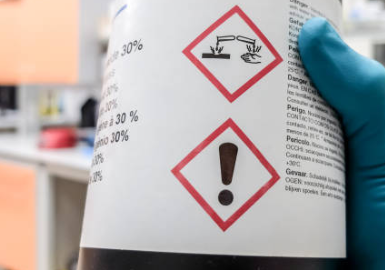
In conclusions, sulfuric acid H2SO4 is a common laboratory chemical which is a strong corrosive acid that can attack the skin, eyes and certain metals. Contact with it should be avoided as much as possible and safety equipment should be worn when handling it such as safety goggles, gloves, lab coat and face mask. Sulfuric acid H2SO4 is also highly flammable and it is advisable to keep the amount of sulfuric acid stored in the laboratory to a minimum while large amounts should only be used when they are needed by removing excess stores over a period of time.
Looking for chemical products? Let suppliers reach out to you!
You May Interested In


Glow70/KLOW80 99% China Peptides Warehouse Direct Delivery Lyophilized Powder in Stock
$169/UNIT FOB


2026-10-23
Trade Alert
Delivering the latest product trends and industry news straight to your inbox.
(We'll never share your email address with a third-party.)

Related News
-
Chemical Properties and Uses of Caesium Fluoride
-
Uses and Properties of Chromium Oxide
-
SiO2: Properties, Uses, and Applications
-
Sulfuric Acid (H2SO4): Properties, Battery Uses, and Extreme Safety Hazards
-
What is Trametenolic Acid? (Structure, Sources & Research)
-
Uses of Sodium Citrate Dihydrate in Food Industry
-
Ammonia Chemical Formula: NH3 Structure & Properties
-
Benzyl Alcohol: Uses in Cosmetics, Preservative Efficacy, and Safety
-
Uses of Dithiothreitol in Laboratories
-
Chemical Reactions and Uses of Stilbene
Recommend Reading
-
![Chemical Properties of Dibenzylideneacetone]()
Chemical Properties of Dibenzylideneacetone
-
![Applications of Diphenyl Cyanide]()
Applications of Diphenyl Cyanide
-
![Understanding PCl5: Compound Name and Uses]()
Understanding PCl5: Compound Name and Uses
-
![Isoascorbic Acid: Uses and Safety]()
Isoascorbic Acid: Uses and Safety
-
![Applications and Safety of Sodium Dichromate]()
Applications and Safety of Sodium Dichromate
-
![Costs Decline and Demand Weakens, EVA Market in China Shows a Weak Downward Trend in November]()
Costs Decline and Demand Weakens, EVA Market in China Shows a Weak Downward Trend in November
-
![Costs Decline, November Styrene-Butadiene Rubber Market Shows Weak Downward Trend]()
Costs Decline, November Styrene-Butadiene Rubber Market Shows Weak Downward Trend
-
![November Butadiene Rubber Market Trend Fluctuates and Declines in China]()
November Butadiene Rubber Market Trend Fluctuates and Declines in China
-
![November Cost and Demand Game, Polyester Bottle Chip Prices Fluctuate]()
November Cost and Demand Game, Polyester Bottle Chip Prices Fluctuate
-
![This Week PVC Market Stabilized (11.24-28)]()
This Week PVC Market Stabilized (11.24-28)