Naturally Derived Fatty Alcohol Market Grows on Demand for Natural Products
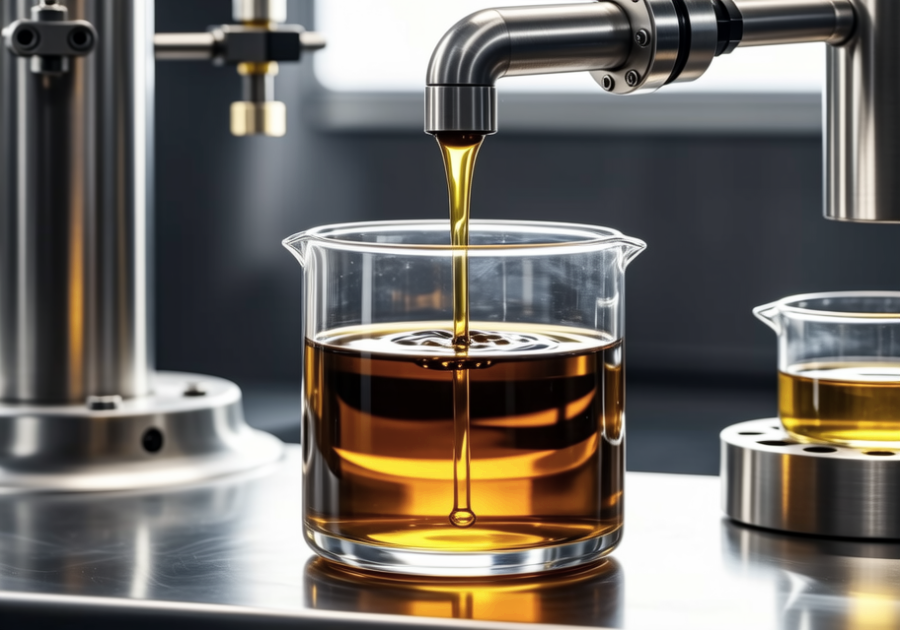
Fatty alcohols are aliphatic compounds derived from fats and oils naturally originating in plants and animals. Fatty alcohols are derived from fatty acids. They contain an even number of carbon atoms, according to a report by Future Market Insights.
They are colourless oily liquids or solid waxy substances. Due to their amphipathic nature fatty alcohols, act as non-ionic surfactants and are widely used in cleaning products. Fatty alcohols can be used as emulsifiers, emollients and thickeners. They are widely used in cosmetics, detergents, pharmaceutical, plastics and other industrial products.
Understanding the adverse effects of petrochemical based fatty alcohols, the naturally derived fatty alcohols market demand is continuously growing globally.

Market segmentation
Naturally derived fatty alcohol market can be segmented on the basis of their sources as animal fats, tropical oils, soft oils, and other sources, on the basis of applications and regions.
On the basis of sources naturally derived fatty alcohol market is segmented as, fatty alcohols derived from animal fats such as, tallow, lard, and poultry, fatty alcohols derived from tropical oils such as, palm kernel oil, coconut oil, and palm oil, and fatty alcohols derived from soft oils such as, soya oil, sunflower oil, and rape oil and lastly fatty alcohols from other sources such as, honeybee wax, jojoba oil, whale oil etc.
Naturally derived fatty alcohol market is further segmented on the basis of its application in different industries such as, cosmetics and personal care, soap and detergents, pharmaceuticals, food & beverages, textile and leather processing, among others.
Amongst all the segments naturally derived fatty alcohol market demand is high in soap and detergent segment, as harmful effects of petroleum based detergents and soap products and health concerns associated with use of synthetic fatty alcohols.
Naturally derived fatty alcohol market is later segmented on the basis of regions as, North America, Europe, Latin America, Asia Pacific Excluding Japan, Middle East and Africa, and Japan. In terms of volume Asia Pacific is the major market for naturally derived fatty alcohols. Asia Pacific market demand is followed by North America and European markets. This regional market demand basically is driven by, consumer emphasis on natural products and cost effectiveness of naturally derived fatty alcohols in comparison with petrochemical based fatty alcohols.
Market trends and drivers
The global naturally derived fatty acids market demand is primarily driven by increasing demand for naturally derived ingredients based soap and detergents and personal care products.
However, increasing health and environmental concerns with regards to use of petrochemical based fatty alcohols is another major market driver for naturally derived fatty alcohols. To decrease carbon footprint, industries are focusing towards development of biodegradable naturally derived products and chemicals through bio-based raw materials.
Volatile prices of petrochemical based products raises concerns for chemical industry and has prompted chemical industry shift towards bio-based ingredients such as naturally derived fatty alcohols.
Regulations from government agencies such as REACH related to environmental concerns associated with petrochemical-based products are expected to support the market trend for use of naturally derived fatty alcohols.
Increasing supply of sustainable raw material sources is expected to impact positively in market growth. Also increasing global consumer awareness coupled with increased hygiene product demand is expected to drive personal care industry growth and in turn, growth in naturally derived fatty alcohol market.

You May Interested In


Glow70/KLOW80 99% China Peptides Warehouse Direct Delivery Lyophilized Powder in Stock
$169/UNIT FOB


2026-10-22
Trade Alert
Delivering the latest product trends and industry news straight to your inbox.
(We'll never share your email address with a third-party.)

Related News
-
China NMPA Issues Priority Review Pathway for Four Categories of Chemical Active Pharmaceutical Ingredients, Effective August 1, 2026
-
关于全面排查下架易制毒及易制爆产品信息的公告 Announcement on the Comprehensive Review and Removal of Product Information Related to Precursor and Explosive Precursor Chemicals
-
U.S. Imposes 12.5% Additional Tariff! Nutritional Ingredients Including Creatine, Taurine, and Glucosamine Included in New Section 301 Tariff List
-
关于加强防范钓鱼邮件的通知 Notification on Strengthening Anti-Phishing Measures
-
Four Fine Chemical Units of Huajin Aramco Project – HDPE, EO/EG, etc. – Reach Mechanical Completion
-
关于将二氟乙咪酯等16种物质列入《非药用类麻醉药品和精神药品目录》的公告 Announcement on the Inclusion of 16 Substances including Difluoroetomidate in the Catalogue of Non-Medicinal Narcotic Drugs and Psychotropic Substances
-
U.S. and China Open New High-Level Trade Talks on Tariffs, Critical Minerals and Pharma Investment
-
U.S. Congress Passes Bill Authorizing Tariffs of Up to 100% on Major Buyers of Russian Energy
-
UK Opens Formal Review of AkzoNobel–Axalta $25 Billion Merger
-
U.S. Formally Imposes Antidumping and Countervailing Duty Orders on Chinese L-Lysine
Recommend Reading
-
![China Releases 15th Five-Year Carbon-Peaking Action Plan, Pushing Coal Chemicals into a Mandatory Low-Carbon Upgrade Cycle]()
China Releases 15th Five-Year Carbon-Peaking Action Plan, Pushing Coal Chemicals into a Mandatory Low-Carbon Upgrade Cycle
-
![U.S. Exempts Critical Chemical Manufacturers from Emissions Rules for Two Years]()
U.S. Exempts Critical Chemical Manufacturers from Emissions Rules for Two Years
-
![FDA Names Veteran Oncology Regulator Pazdur as Director of Drug Review Center]()
FDA Names Veteran Oncology Regulator Pazdur as Director of Drug Review Center
-
![FDA approves bemotrizinol, a long-used UV filter, for U.S. sunscreens]()
FDA approves bemotrizinol, a long-used UV filter, for U.S. sunscreens
-
![3M, DuPont and Honeywell Must Face Firefighters’ PFAS Turnout-Gear Lawsuit]()
3M, DuPont and Honeywell Must Face Firefighters’ PFAS Turnout-Gear Lawsuit
-
![July Palm Oil Market Oscillates and Rises in China]()
July Palm Oil Market Oscillates and Rises in China
-
![Business Society’s Market Outlook for Lithium Carbonate on August 12, 2026: Clearly Upward Trend]()
Business Society’s Market Outlook for Lithium Carbonate on August 12, 2026: Clearly Upward Trend
-
![Cost Benefits Drive July Polyester Staple Fiber Prices to Fluctuate and Rise]()
Cost Benefits Drive July Polyester Staple Fiber Prices to Fluctuate and Rise
-
![Business Society’s Market Outlook for Styrene on August 13, 2026: Volatile but Tending to Stronger]()
Business Society’s Market Outlook for Styrene on August 13, 2026: Volatile but Tending to Stronger
-
![Methylene Chloride Price Increase Slows, Expected to Stabilize with Slight Strength in the Short Term in China]()
Methylene Chloride Price Increase Slows, Expected to Stabilize with Slight Strength in the Short Term in China