Saudi drone attacks threaten around 10% of global ethylene capacity
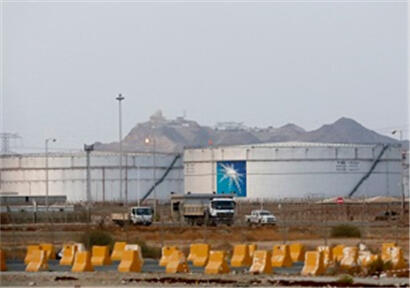
Facilities producing around 10% of global ethylene capacity are threatened by feedstock disruption after the weekend’s attack on Saudi Arabia’s oil distribution infrastructure and the subsequent closure of 5.7m bbl/day of refinery capacity.
The attack on 14 September damaged the Abqaiq and Khurais crude oil processing installations which supply oil to Saudi Arabia’s three main petrochemical sites.
Some refineries feeding petrochemical sites have been shut, cutting supplies to Jubail in the east and Rabigh and Yanbu on the west, facilities which are connected by an oil and natural gas liquids pipeline across the country.
In 2018, these sites produced 16.6m tonnes of ethylene, or 10.4% of global production, as well as 6.2m tonnes of propylene, or 5.8% of global production.
They also produced 183,000 tonnes of butadiene (BD), or 1.5% of global production.
The sites also represent 9.9% of global ethylene capacity.
Availability of chemical feedstock has been curtailed by between 16-50%, depending on the sites’ exposure to ethane, other natural gas liquids or naphtha from associated refineries fed by the disrupted installation.
Petrochemicals major SABIC said some of its subsidiaries faced curtailment of supplies of feedstocks “in different proportions with an approximate average of 49%” as of 14 September.
Saudi Kayan pegged its own feedstock supply decline to 50%; Yanbu National Petrochemical Co (Yansab) at about 30%; Advance Petrochemical Co at about 40%; Sadara Chemical Co at 16%; Sahara International Petrochemical Co (Sipchem) at about 40%; and the National Industrialization Co (Tasnee) at about 41%.
According to Robert Connolly, ICIS senior consultant from the global refining team, the damaged Abqaiq facility processes mainly crude from onshore fields which produce Arab light and extra light oil.
These crudes are used by the Samref refinery at Yanbu, the Petro Rabigh refinery at Rabigh and the Sasref refinery at Jubail. Abqaiq also feeds about 40% of Aramco’s Ras Tanura refinery.
He pointed out that chemical production in Japan, South Korea and Thailand could also be affected, as these rely most heavily on refining light grades of Saudi oil.
“There is loads of Aramco inventory around the globe, but if it goes on for an extended time, the Saudi light grades make up about 25% of Japan’s crude imports so it might start to hurt Japan. South Korea is also a big importer (10-15% of supply) and IRPC in Rayong with a lot of chemical production downstream takes a lot of Arab light," said Connolly.
He added that Saudi refineries typically store around 10-20 days of inventory.
Chemical markets in the region and globally are likely to tighten with the possibility of force majeures from some of the affected facilities.
Asia naphtha prices spiked by 13% in response to soaring oil prices in the aftermath of the attack.
The Houthi rebels in Yemen, who claimed responsibility for the attack, have threatened to carry out more actions.

You May Interested In


High Quality β-Nicotinamide adenine dinucleotide CAS 53-84-9 NADwith ready stock and best price
$3/UNIT FOB


2026-10-10
Trade Alert
Delivering the latest product trends and industry news straight to your inbox.
(We'll never share your email address with a third-party.)

Related News
-
South Korea Retires 1.39 Million Tonnes of Ethylene Capacity as Northeast Asia’s Petrochemical Reset Turns Real
-
South Korea Approves Yeosu Restructuring Plan, Permanently Retiring 1.39 Million Tons of Ethylene Capacity
-
Lotte Chemical Signs 10-Year Ethylene Supply Agreement with Indonesian Company
-
Price increase! Raw materials soared 10%, price letter to the factory in advance!
-
Basf has broken ground on a world-class scale installation
-
Japan's monthly ethylene utilization rate hits 11-year low
-
In February, the utilization rate of ethylene equipment in Japan is still low
-
Utilization rate of ethylene equipment in Japan continues to decline
-
Tianjin Nangang Ethylene Project has made remarkable achievements in the utilization of solid waste resources
-
Japan's ethylene production hit a 34-year low
Recommend Reading
-
![EU Clears Carlyle's Acquisition of BASF's Coatings Business, but Demands Divestment of Nouryon's Polysulfide Assets: What Are the Underlying Risks?]()
EU Clears Carlyle's Acquisition of BASF's Coatings Business, but Demands Divestment of Nouryon's Polysulfide Assets: What Are the Underlying Risks?
-
![Three Major Indian Chemical Investments Target China's PC Exports]()
Three Major Indian Chemical Investments Target China's PC Exports
-
![Shandong’s Export Growth Is 2.8%; This Category Is 19%: Shandong Has a Chokehold on the Upstream of Global Manufacturing]()
Shandong’s Export Growth Is 2.8%; This Category Is 19%: Shandong Has a Chokehold on the Upstream of Global Manufacturing
-
![Keshun Enters Industrial Coatings: Waterproofing Leader Seeks Growth Beyond Real Estate]()
Keshun Enters Industrial Coatings: Waterproofing Leader Seeks Growth Beyond Real Estate
-
![Why Did Chemical Raw Materials Unexpectedly Escape the Latest Round of U.S. 301 Tariffs on 60 Economies?]()
Why Did Chemical Raw Materials Unexpectedly Escape the Latest Round of U.S. 301 Tariffs on 60 Economies?
-
![Supply Boosts Consumption, But Demand Contracts—PC Prices Drop in Early June]()
Supply Boosts Consumption, But Demand Contracts—PC Prices Drop in Early June
-
![Business Society’s Market Outlook for Gasoline on August 10, 2026: Volatile but Rising]()
Business Society’s Market Outlook for Gasoline on August 10, 2026: Volatile but Rising
-
![Business Society October 9, 2026 Maleic Anhydride Trend Analysis: Volatility]()
Business Society October 9, 2026 Maleic Anhydride Trend Analysis: Volatility
-
![Negative Factors Weighing Down, Cyclohexanone Prices Likely to Continue Declining in Early June]()
Negative Factors Weighing Down, Cyclohexanone Prices Likely to Continue Declining in Early June
-
![Business Society’s Market Outlook for Petroleum Coke on August 10, 2026: Volatile]()
Business Society’s Market Outlook for Petroleum Coke on August 10, 2026: Volatile