New Use For Carbolic Acid In Surgeries: Stopping Spread Of Infection
Carbolic acid in surgery is a broad-spectrum antiseptic initially developed as an effective treatment for tuberculosis. Carbolic acid can be used as a topical disinfectant to prevent the spread of infection in surgeries. Researchers found that when carbolic acid is applied topically to surgical instruments and surfaces, it kills bacteria and reduces the spread of infection. This is an exciting new development because carbolic acid can be safely and effectively used as a topical disinfectant in surgeries. Hence, it's essential to use safe procedures and cleaning methods to prevent infections from spreading. This discovery will help us do just that.
Carbolic acid is a common anesthetic and disinfectant used in surgery. It is generally safe to use in surgical procedures. When used correctly, carbolic acid can provide adequate anesthesia and reduce the risk of complications. Moreover, it is commonly used to treat wounds and inflammation and effectively reduces pain and swelling. Accordingly, carbolic acid can also be used as an adjuvant to other anesthetics during surgery.
What is carbolic acid?
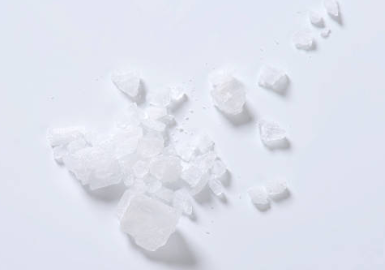
Carbolic acid, also known as phenol, is a white crystalline compound with a rancid odor. It is used as an antiseptic to stop the bleeding from surgery. Carbolic acid is also used in some skin creams to treat acne. Carbolic acid is a colorless, pungent, and highly soluble liquid with the formula C6H6O. It is used in surgery as an antiseptic and to stop bleeding. Carbolic acid was first isolated from coal tar in 1834. Since then, carbolic acid has been an effective antiseptic and can be found in many over-the-counter products. It is also used to make phenol derivatives, such as carbolic acid ointment, to treat various skin conditions.
How is carbolic acid used in surgery?
Carbolic acid is a powerful anti-inflammatory and antiseptic used in many types of surgery. It kills bacteria, viruses, and other microorganisms that can cause infection and inflammation. Carbolic acid is also effective at relieving pain and swelling.
Hence, carbolic acid is a common and effective anesthetic in surgery. It is used to block nerve impulses and render anesthesia. Carbolic acid is also used to clean and sterilize surgical tools and stop the bleeding after surgery. On the same note, carbolic acid is used to clean and disinfect surgical instruments and surfaces. It also kills bacteria and fungus. Carbolic acid can also be used to stop bleeding.
Uses of carbolic acid in surgery: Antiseptic and analgesic effects.
From its inception, carbolic acid has been used in surgery for over a century to control infection and pain. It has been used to treat various surgical infections, including those caused by bacteria, fungi, and viruses. Moreover, it is an antiseptic and analgesic agent with strong disinfectant properties. Carbolic acid is well-tolerated by most patients but can cause skin irritation in rare cases. Carbolic acid also has anti-inflammatory properties, which may help reduce the amount of pain medication needed after surgery.
Carbolic acid can be used as a dye and an abrasive in low concentrations. Today's primary use of carbolic acid is a degreaser and cleaner in industrial settings. It is also used in medicines to treat various conditions.
History of carbolic acid: Where did it come from, and how was it used?
Carbolic acid was first isolated from coal tar in the 1860s by the German scientist Jules Lemaire. It was initially used as a preservative in food, but its most famous use is an antiseptic. Carbolic acid has been used to treat many infections since it was first introduced and continues to be a popular medical tool today. Today, it is also used in plastics and rubber manufacturing.
Chemical properties of carbolic acid: What makes it unique and important?
Carbolic acid is a white crystalline powder soluble in water and alcohol. It has a characteristic odor, and the chemical properties of carbolic acid make it unique and essential because it is the only compound with these properties. Carbolic acid is used as an antiseptic, disinfectant, and preservative, which allows it to dissolve oil and fat. This property makes carbolic acid a vital cleaning agent. In addition, the acidity of carbolic acid makes it effective at killing bacteria and destroying toxins.
Adverse effects of carbolic acid in surgery: Irritation, allergic reactions, and nephrotoxicity.
Carbolic acid is a common and effective antiseptic agent used in surgery. However, it can have adverse effects on patients. Irritation, allergic reactions, and nephrotoxicity are among the most common adverse effects of carbolic acid use in surgery. These effects can be severe and lead to decreased patient outcomes. To minimize these risks, surgeons should be aware of the potential side effects of carbolic acid and take steps to prevent them. In some cases, these side effects can be life-threatening. It is essential to be aware of the potential risks associated with its use and seek medical attention if any adverse effects occur.
Conclusion
In conclusion, carbolic acid in surgery is a highly effective antiseptic and is still used in surgery today. It is safe to use and has few side effects, making it a preferred choice among surgeons. Keep this in mind when choosing a surgical agent, and you will ensure a safe and successful surgery.
Looking for chemical products? Let suppliers reach out to you!
You May Interested In


Glow70/KLOW80 99% China Peptides Warehouse Direct Delivery Lyophilized Powder in Stock
$169/UNIT FOB


2026-10-24
Trade Alert
Delivering the latest product trends and industry news straight to your inbox.
(We'll never share your email address with a third-party.)

Related News
-
France’s Vineyards Find a New Shield: Eden’s Mevalone Enters the Frontline of a Changing Fungicide Era
-
India Unleashes a Triple-Action Defender: Parijat Introduces NILANIX SC into the Rice Battlefront
-
Uses and Properties of 3-Methyl-1-Butanol
-
Key Reactions and Uses of Lithium Aluminum Hydride
-
Applications of Caesium Iodide
-
Sodium Benzoate (E211): Safety, Benzene Risk, and Preservative Uses
-
Uses of Sodium Acetate Trihydrate
-
Key Reactions and Uses of Allene
-
Chemical Properties and Uses of Tetraetil
-
Applications of Copper Sulfate Pentahydrate
Recommend Reading
-
![Nature’s Blueprint, Science’s Edge: Corteva Unveils Twin Breakthroughs to Tackle the $70 Billion Insect Threat]()
Nature’s Blueprint, Science’s Edge: Corteva Unveils Twin Breakthroughs to Tackle the $70 Billion Insect Threat
-
Sodium Metabisulfite: Properties, Uses, and Safety
-
![Sodium Chloride (NaCl): Food Grade vs Industrial Grade Uses & Safety Data]()
Sodium Chloride (NaCl): Food Grade vs Industrial Grade Uses & Safety Data
-
![Chemical Raw Materials: How to Source Quality Suppliers & Understand Grades]()
Chemical Raw Materials: How to Source Quality Suppliers & Understand Grades
-
![Bovine Serum Albumin (BSA): Role in Cell Culture & Laboratory Applications]()
Bovine Serum Albumin (BSA): Role in Cell Culture & Laboratory Applications
-
![Geopolitical Premium Fades and Inventory Pressures Weigh on Oil Prices, Ending Five-Day Rally]()
Geopolitical Premium Fades and Inventory Pressures Weigh on Oil Prices, Ending Five-Day Rally
-
![2025 Review and 2026 Outlook of the Methanol Market in China]()
2025 Review and 2026 Outlook of the Methanol Market in China
-
![International Oil Prices Experience a]()
International Oil Prices Experience a "Heart-Stopping Day" as U.S.-Iran Tensions Trigger Massive Shockwaves in the Energy Market
-
![In the first half of January, the Chinese propylene oxide market showed an upward trend]()
In the first half of January, the Chinese propylene oxide market showed an upward trend
-
![MTBE Market Prices Edge Higher Within a Narrow Range]()
MTBE Market Prices Edge Higher Within a Narrow Range