Is Zinc Chloride Soluble In Water? It Is Soluble
Is zinc chloride soluble in water? Zinc chloride is a metal salt that is soluble in water. This means that it can be dissolved in water to form a solution. Zinc chloride solutions are often used as agricultural fungicides to control plant diseases. Zinc chloride can form a precipitate with other ions. Zinc chloride is commonly used as a corrosion inhibitor in industrial settings and can be found in many household cleaning products. Accordingly, zinc chloride is a popular salt used in many different industries.
The main reason zinc chloride is soluble in water is the presence of hydroxyl groups. These Hydroxyl groups allow the salt to interact with water molecules and form soluble salts. When zinc chloride dissolves in water, it forms two types of salts; trihydrate and hexahydrate. The trihydrate form of the salt has an average molecular weight of 137g/mol, and the hexahydrate form has an average molecular weight of 231g/mol.
Zinc chloride is soluble in water and can be used as a common salt alternative.
Zinc chloride is a common mineral supplement found in many store-bought items such as water bottles and sports drinks. Many people think zinc chloride is insoluble in water, but this is not always the case. Zinc chloride can be dissolved in water if the zinc concentration is high enough.
When zinc chloride is mixed with water, it forms a white precipitate. This sediment is made up of zinc ions and chlorine ions. The zinc ions are attracted to the chlorine ions, forming a ZnCl2 crystal structure. Zinc chloride is soluble in water because it has a high concentration of zinc ions. The compound is used in various industrial applications, including manufacturing paints and coatings, paper and textile products, food processing, and pharmaceuticals. Zinc chloride is also used as an agricultural fungicide.
What is zinc chloride, and why is it soluble in water?
Zinc chloride is a chalcogen, meaning it is made of two elements that are not metals. Zinc chloride is soluble in water because it contains hydroxide ions. These ions form a weak bond with the zinc atoms and cause the molecule to dissolve. This property allows zinc chloride to be used as an agricultural chemical and a soil amendment. In addition, zinc chloride can be used to produce metal alloys and other materials. The compound is used in various industrial applications, including producing paper and textiles, leather tanning, and metalworking. The metal zinc is obtained by extracting zinc ores from the earth. Zinc chloride is also used in some pharmaceuticals as an excipient.
Methods: How do scientists study the solubility of zinc chloride in water?
Methods used to study the solubility of zinc chloride in water vary and depend on the desired outcome of the study. Often, aqueous solutions of zinc chloride are dispersed in oil and studied using nuclear magnetic resonance spectroscopy (NMR) to determine the concentrations and structures of the compounds. Other methods used to study solubility include potentiometry, differential scanning calorimetry, dissolution studies with polyacrylamide gels, and phase diagrams. Each method has its advantages and disadvantages, which must be considered when choosing it for a particular study.
Testing: Is zinc chloride soluble in water?
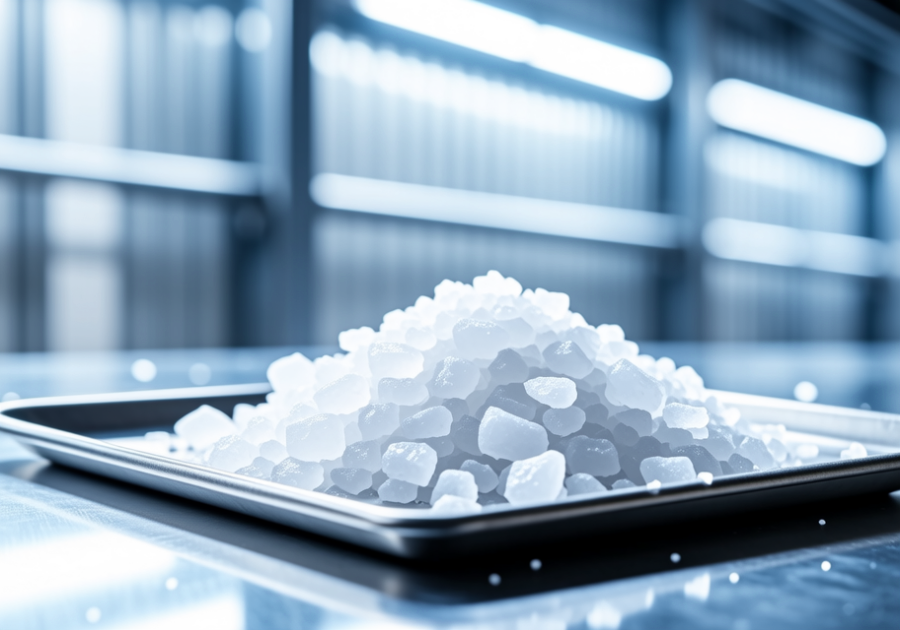
Zinc chloride is a white crystalline compound that is soluble in water. Testing can determine if zinc chloride can be dissolved in water. Zinc chloride is found in many household products, such as deodorants and mouthwash. Testing can reveal if these products contain high levels of zinc chloride.
Zinc chloride is a strong base and can be very corrosive. Testing to see if it can be dissolved in water is important when dealing with this compound. A standard test for zinc chloride is the drop test. This test determines how much of the compound will dissolve in water.
Results: What do the experiments show about the solubility of zinc chloride in water?
In recent years, there has been a growing interest in the solubility of zinc chloride in water. This is because it is a key ingredient in many industrial and environmental processes. So far, research has shown that the solubility of zinc chloride in water varies depending on several factors, such as temperature and pH. In general, the solubility of zinc chloride tends to be higher at lower temperatures and pH levels.
The solubility of zinc chloride in water was tested using three different methods. The first method used a lab scale to measure the solubility of zinc chloride in water. The second method used a pH meter to measure the solution's acidity. The third method used a titration curve to measure the concentration of zinc chloride in water. All three methods showed that the concentration of zinc chloride in water depends on the solution's pH value. The results from these experiments show that the solubility of zinc chloride in water depends on the pH value and decreases as the pH value increases.
Effects: What happens to zinc chloride when it dissolves in water?
Zinc chloride is a common compound used in many different industries. It is often found in solutions and products that require metal to be effective. When zinc chloride dissolves in water, it forms several different compounds. Zinc ions are pulled from the chloride molecule, which can affect the solution's pH level and other chemical properties.
Zinc chloride is a common chemical used in many different industries. When it dissolves in water, zinc chloride produces a variety of effects. Some of these effects include changes to the pH level, hydrogen gas production, and zinc hydroxide formation.
Conclusion
In conclusion, is zinc chloride soluble in water? Zi40s chloride is soluble in water. This means that it can be easily absorbed by the body, which is why it is commonly used in many topical applications. Additionally, zinc chloride is a natural product that is not harmful to the skin. Finally, people with sensitive skin should take care when using zinc chloride products, as any irritation may worsen with increased exposure to the sun or wind.
Looking for chemical products? Let suppliers reach out to you!
You May Interested In


Glow70/KLOW80 99% China Peptides Warehouse Direct Delivery Lyophilized Powder in Stock
$169/UNIT FOB


2026-10-20
Trade Alert
Delivering the latest product trends and industry news straight to your inbox.
(We'll never share your email address with a third-party.)

Related News
Recommend Reading
-
![This Week Aniline Market Weakens in China (5.18-5.22)]()
This Week Aniline Market Weakens in China (5.18-5.22)
-
![This week, the domestic propylene oxide market showed a narrow fluctuation with weak transactions (May 18-22)]()
This week, the domestic propylene oxide market showed a narrow fluctuation with weak transactions (May 18-22)
-
![Supply-Demand Dynamics Drive Slight Rise in Toluene Market]()
Supply-Demand Dynamics Drive Slight Rise in Toluene Market
-
![This Week's Caustic Soda Prices Consolidate (5.18-5.22)]()
This Week's Caustic Soda Prices Consolidate (5.18-5.22)
-
![Polyester Bottle Flakes Hit a Weekly High Midweek Before Falling Back]()
Polyester Bottle Flakes Hit a Weekly High Midweek Before Falling Back