Stanford Researchers Create Double-Duty Textile to Keep Warm or Cool
Stanford researchers have successfully created a double-duty, reversible fabric that automatically keeps a temperature comfortable to human skin.
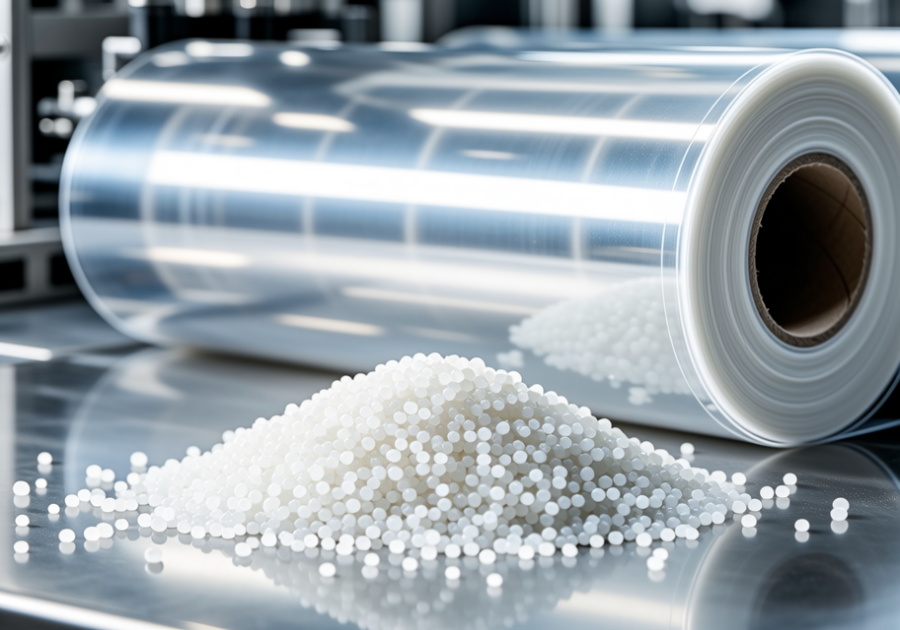
In a paper published in Science Advances on Friday, the new textile made from a reversible fabric that could comfortably warm or cool wearers was based on the same material as everyday kitchen wrap. The fabric is capable of releasing or keeping heat energy automatically depending on which side faces out.
The new invention was created by a team led by Yi Cui, professor of materials science and engineering of Stanford University, whose work was funded by the Advanced Research Projects Agency-Energy under the U.S. Department of Energy.
In order to make the fabric work properly, two layers of material with different abilities to release heat energy were stacked and then sandwiched between layers of their cooling polyethylene.
On one side, a copper coating traps heat between a polyethylene layer and the skin; on the other, a carbon coating releases heat under another layer of polyethylene.
When the copper layer faces out, the material traps heat and warms the skin on cool days. But when the textile is reversed with the carbon layer facing out, it releases heat, thus keeping the wearer cool.
Altogether, the sandwiched material can increase a person's range of comfortable temperatures by over 5.5 degree Celsius, and the final ideal potential temperatures could reach about 14 degree Celsius.
If people wear clothes made of textile like that, buildings in some climates might never need air conditioning or central heating at all.
In 2016, the team announced a first step toward a solution: fabric that allowed the body's heat to pass through, cooling the skin.
Unlike transparent, water-impermeable kitchen wrap, the new material was opaque, breathable and retained its ability to shuttle infrared radiation away from the body.
The results of a laboratory test showed that the new fabric was capable of keeping artificial skin two degree Celsius cooler -- possibly enough to help a person stop from using air conditioning.
With such an energy-efficient material, a building full of workers can save 20 percent to 30 percent of its total energy budget.
The double-duty textile has a promising prospect for future daily use, although the fabric isn't quite wearable yet at present.

You May Interested In


High Quality β-Nicotinamide adenine dinucleotide CAS 53-84-9 NADwith ready stock and best price
$3E+1/UNIT FOB


2026-10-23
Trade Alert
Delivering the latest product trends and industry news straight to your inbox.
(We'll never share your email address with a third-party.)

Related News
-
Huntsman to Sell Textile Dyeing Unit for $718 Million
-
What Does a Textile Chemist Do? A Detailed Analysis
-
What Are Caustic Soda Uses in Textile Industry
-
BASF Southeast Asia joins ZDHC Textile Foundation
-
2020 Sri Lanka International Dyestuffs and Textile Chemicals Exhibition
-
Wanhua's BorsodChem Restarts 650,000 T/Y of MDI and TDI Capacity in Europe
-
Major Fire Hits China-Russia Joint 2.7 Million T/Y Polyolefins Project, Killing 6 Chinese Nationals and Injuring 152 People
-
Global Chemical Giants Light the Fuse: A TDI/MDI Price Storm Sweeps Asia and Europe—Who’s Fueling This “Cost Carnival”?
-
French Cosmetics Exports Poised for First Drop in Over Two Decades in 2025
-
Invista Reshuffles Global Nylon 66 Map: Shutting US and UK Plants, Betting Big on China—What Exactly Are They Aiming For?
Recommend Reading
-
![Two Saudi Crude Supertankers Hit in Hormuz as Brent Surges to Nearly $95]()
Two Saudi Crude Supertankers Hit in Hormuz as Brent Surges to Nearly $95
-
![Chemicals Are Going Wild: Sulfur Surges 512%, Titanium Dioxide, Polyols and Sulfuric Acid Lose Control]()
Chemicals Are Going Wild: Sulfur Surges 512%, Titanium Dioxide, Polyols and Sulfuric Acid Lose Control
-
![Hengli Sanctions Spill Over: One Barrel of Iranian Crude Pulls an Aromatics Chain Into Risk]()
Hengli Sanctions Spill Over: One Barrel of Iranian Crude Pulls an Aromatics Chain Into Risk
-
![Titanium Dioxide Prices Are Up Again! This Round of Increases Has One Real Driver: Sulfuric Acid]()
Titanium Dioxide Prices Are Up Again! This Round of Increases Has One Real Driver: Sulfuric Acid
-
![Global Chemical Inventories Hit Critical Lows as Over 200 Chinese Companies Suspend Quotations]()
Global Chemical Inventories Hit Critical Lows as Over 200 Chinese Companies Suspend Quotations
-
![Multiple Positive Factors Support PTA Price Increase of Over 8% in August]()
Multiple Positive Factors Support PTA Price Increase of Over 8% in August
-
![Bullish Support Pushes Up January Adipic Acid Prices in China]()
Bullish Support Pushes Up January Adipic Acid Prices in China
-
![Expectations of Tightening Supply Dominate the Recovery in Formic Acid Prices]()
Expectations of Tightening Supply Dominate the Recovery in Formic Acid Prices
-
![Business Society’s PVC Market Outlook on August 25, 2026: Volatile and Tending Lower]()
Business Society’s PVC Market Outlook on August 25, 2026: Volatile and Tending Lower
-
![Cost Maintenance Drives Polyethylene Strength]()
Cost Maintenance Drives Polyethylene Strength