Product
Supplier
Encyclopedia
Inquiry
Home > Inorganic Chemistry > Inorganic Bases > Maleic anhydride for Sale > Maleic Anhydride Briquet
Maleic Anhydride Briquet buy - large image1
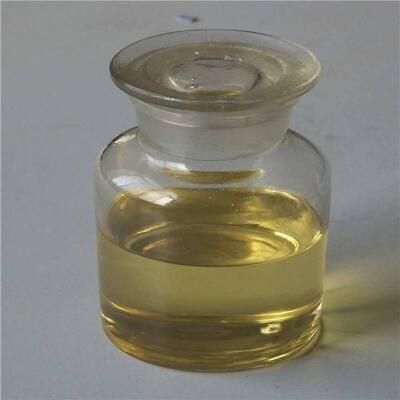
Maleic Anhydride Briquet buy - image1
Maleic Anhydride Briquet buy - image2
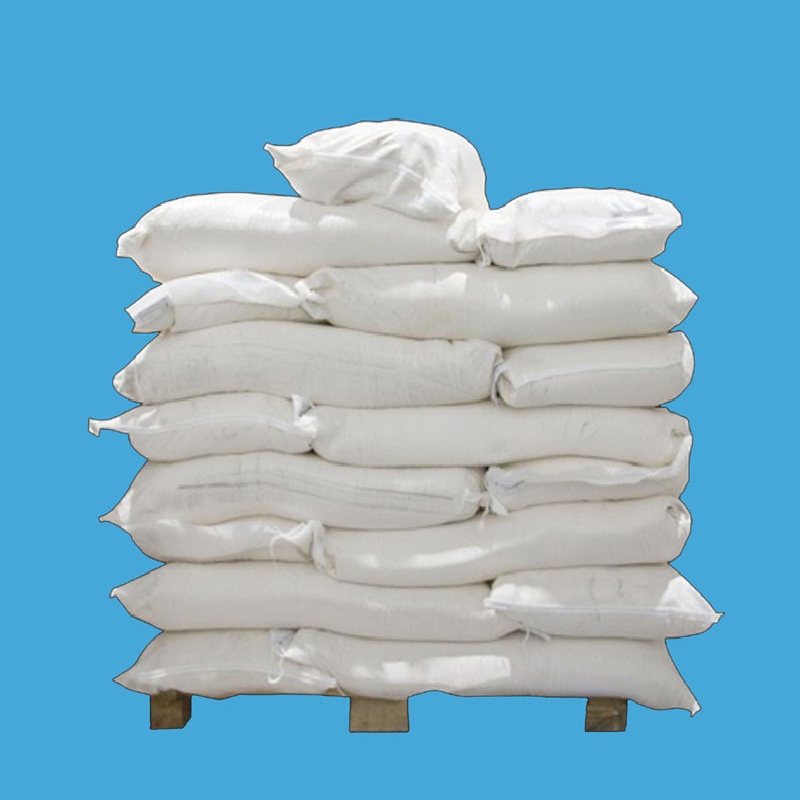
Maleic Anhydride Briquet buy - image3
Maleic Anhydride Briquet buy - image4

Maleic Anhydride Briquet

TDS 216 Inquiries

Unit Price: Get Latest Price
CAS No.:

108-31-6

Grade:

Industrial Grade

Content:

99.5%

Port:

QINGDAO

Brand:

EAST CHEMSOURCES

Packaging:

25kg bags

Price valid (until):

2024-03-05

Company Type:
Trader
Location:
China
Qualification:
Main Products:

Food additives,Pharmaceutical raw materials,Chemicals,Comestic raw materials

  • Product Description

  • Seller Information

  • Inquiry History

  • Description

    Shop Maleic Anhydride Briquet-Detailed Image 1

    1. PRODUCT IDENTIFICATION AND MANUFACTURER/SUPPLIER IDENTIFICATION
    Product Name:
    Maleic Anhydride
    Synonyms:
    cis-Butenedioic Anhydride
    Product Use:
    Chemical Synthesis, intermediate,
    CAS NUMBER:
    108-31-6
    EINECS-NR.
    203-571-6
    Chemical Formulation:
    C4H2O3
    Product Identification Number:
    78800/MANBRI
    Bartek Ingredients Inc.
    421 Seaman Street
    Stoney Creek, Ontario
    Canada L8E 3J4
    IN CASE OF A DANGEROUS GOODS
    EMERGENCY CALL CANUTEC AT
    THE 24-HOUR NUMBER 613-996-6666
    2. COMPOSITION OF INGREDIENTS
    Chemical Name:
    Cas. no.
    % by wt
    Maleic Anhydride 108-31-6 99.5 % min
    3. HAZARDS IDENTIFICATION
    DANGER!
    CORROSIVE - CAUSES EYE AND SKIN BURNS
    HARMFUL OR FATAL IF SWALLOWED
    HARMFUL IF ABSORBED THROUGH SKIN
    GRINDING MAY PRODUCE FLAMMABLE DUST/AIR MIXTURES
    MOLTEN PRODUCT CAN CAUSE THERMAL BURNS
    CAUSES RESPIRATORY TRACT IRRITATION AND CAN CAUSE DAMAGE
    MAY CAUSE ALLERGIC SKIN AND RESPIRATORY (ASTHMA LIKE) REACTION
    HMIS Hazard Ratings Health - 3, Flammability - 1, Chemical Reactivity - 1
    4. FIRST AID MEASURES
    Ingestion:
    Do not induce vomiting. Have a conscious person drink several glasses of water or
    milk. Seek immediate medical attention.
    Inhalation:
    Allow the victim to rest in a well ventilated area. Seek immediate medical attention.
    Skin Contact:
    After contact with skin, wash immediately with plenty of water. If irritation persists
    seek medical attention. Wash contaminated clothing before reusing.
    Eyes:
    Immediately flush with water for at least 15 minutes, keeping eyelids open. Seek
    medical attention.
    5. FIRE FIGHTING MEASURES
    Small fire: Carbon dioxide, water, foam.
    Large fire: Water spray, fog or foam, do not use water jet.
    Extinguishing Media:
    DO NOT USE DRY CHEMICAL: Large volumes of gases could be produced by
    reaction with Maleic Anhydride.
    Special Fire-Fighting Procedures:
    Wear self-contained breathing apparatus with full face piece operated in the
    positive pressure demand mode and full body protection when fighting fires
    Hazardous Combustion Products:
    Carbon Dioxide, Carbon Monoxide.
    Unusual Fire and Explosion Hazards:
    Unstable, or air-reactive or water-reactive chemical involved (see Section 10).
    Vapors from melted material can be ignited. Keep melted material away from
    ignition sources. May form flammable dust-air mixtures when finely divided.
    Prevent dust buildup by providing adequate ventilation during grinding or milling
    operations.
    6. ACCIDENTAL RELEASE MEASURES
    Personal precautions:
    Avoid breathing dust. Pressure demand air supplied respirators should always be
    worn when the airborne concentration of the contaminant or oxygen is unknown.
    Otherwise, wear respiratory protection and other personal protective equipment as
    appropriate for the potential exposure hazard. Wear gloves, goggles, and
    protective clothing to avoid contact with eyes, skin, or clothing.Bartek Ingredients Inc. 421 Seaman St., Stoney Creek, Ont. Canada L8E 3J4 905-643-1286 English MSDS: Maleic Anhydride Dec 05
    IN CASE OF A DANGEROUS GOODS EMERGENCY CALL CANUTEC AT THE 24-HOUR NUMBER 613-996-6666
    Personal precautions cont’d:
    Recycle, if possible. Use appropriate tools to put the spilled solid in a waste
    disposal container.
    If necessary, neutralize the residue with a dilute solution of sodium hydroxide. Do
    not dry sweep or use methods that increase dusting. Prevent entry into sewers
    and waterways.
    7. HANDLING AND STORAGE
    Handling:
    Eye wash and safety shower should be available nearby when this product is
    handled or used.
    Minimum feasible handling temperatures should be maintained. Avoid generating
    mist or dust.
    Exercise care when opening bleeders and sampling ports.
    Do not breathe gas, fumes, vapor or spray. Do not ingest. Avoid contact with skin
    and eyes. After handling, always wash hands thoroughly with soap and water.
    Storage:
    Store away from incompatible materials. Store at temperatures not exceeding
    70°C (158°F). Contains moisture sensitive material -- store in a dry place.
    8. EXPOSURE CONTROLS/PERSONAL PROTECTION
    Eye/Face Protection
    Avoid eye contact. Chemical type goggles with face shield must be worn. Do not
    wear contact lenses.
    Skin Protection
    Protective clothing such as coveralls or lab coats must be worn. Gloves resistant
    to chemicals and petroleum distillates required. When handling large quantities,
    impervious suits, gloves, and rubber boots must be worn. Remove and dry-clean
    or launder clothing soaked or spoiled with this material before reuse. Dry cleaning
    of contaminated clothing may be more effective than normal laundering. Inform
    individuals responsible for cleaning of potential hazards associated with handling
    contaminated clothing.
    Respiratory Protection
    Airborne concentrations should be kept to the lowest levels possible. If vapor, mist
    or dust is generated and the occupational exposure limit of the product is
    exceeded, use appropriate NIOSH or MSHA approved air purifying or air supplied
    respirator after determining the airborne concentration of the contaminant. Air
    supplied respirators should always be worn when airborne concentration of the
    contaminant or oxygen content is unknown.
    Ventilation
    Adequate to meet occupational exposure limits (see below)
    Exposure Limits
    TLV-TWA: 0.1 ppm 8 hours (ACGIH TLV, United States, 2002)
    TWA: 0.25 ppm 8 hours (OSHA PEL, United States, 1971)
    TWA: 1 mg/m3 8 hours (OSHA PEL, United States, 1971)
    9. PHYSICAL PROPERTIES
    Physical Form:
    Molten liquid
    Color
    Water white
    Odor
    Strong irritating acrid odor
    Odor Threshold
    0.5 ppm
    Specific Gravity
    Molten: 1.3 at 70°C (water =
    1.0); Solid: 1.48 at 20°C
    (water = 1.0)
    Vapor Pressure
    0.2 mm Hg at 25°C
    Vapor Density
    3.38 (Air = 1.0)
    Melting Point
    52.5°C (126.5°F)
    Boiling Point
    202°C (395°F)
    Solubility in Water
    Very soluble (40gm/100ml)
    pH
    2.42 (0.01 M solution)
    Solubility in Other
    Solvents
    Chloroform, acetone, ethyl
    acetate, benzene,
    hydrocarbons, dioxane
    Flash Point
    102°C (215°F) (PMCC)
    Flammable Limits
    LFL: 1.4% UFL: 7.1%
    Autoignition Temperature
    477°C (890°F)
    Thermal Decomposition
    Temperature
    >150°CBartek Ingredients Inc. 421 Seaman St., Stoney Creek, Ont. Canada L8E 3J4 905-643-1286 English MSDS: Maleic Anhydride Dec 05
    IN CASE OF A DANGEROUS GOODS EMERGENCY CALL CANUTEC AT THE 24-HOUR NUMBER 613-996-6666
    10. STABILITY & REACTIVITY
    Chemical Stability
    The product is stable except when in contact with water
    Conditions to Avoid
    Incompatible materials, moisture
    Incompatible materials
    May react violently with amines, alkali metal ions such as Sodium or Potassium,
    and bases. At temperatures above 150°C, these materials, at concentrations as
    low as 200 ppm., can trigger a rapid decomposition and polymerization reaction
    that would produce heat and gas and cause equipment to rupture.
    Hazardous Decomposition Products
    Toxic levels of Carbon monoxide, carbon dioxide, irritating aldehydes and ketones
    may be formed on burning. Heating in air may produce irritating aldehydes, acids,
    and ketones.
    Hazardous Polymerization
    Will not self-polymerize but can undergo uncontrolled co-polymerization in the
    presence of other monomers and catalysts (see Incompatible Materials, above).
    11. TOXICOLOGICAL INFORMATION
    Oral LD-50 (rat)
    1030 mg/kg
    Dermal LD-50 (rabbit)
    2620 mg/kg
    Skin irritation (rabbit)
    corrosive
    Eye irritation (rabbit)
    extremely irritating
    Sensitization
    The limited number of animal studies investigating the dermal or respiratory
    sensitization potential of maleic anhydride have not shown conclusive evidence of
    sensitization potential. Although there have been reports of human dermal or
    respiratory sensitization from maleic anhydride exposures, the number of reports
    has been low when compared to the number of potentially exposed individuals.
    Maleic anhydride has a low potential for human dermal or respiratory sensitization.
    Effects of Acute Exposure
    Extremely dangerous in case of skin contact (corrosive, irritant), of eye contact
    (irritant) and inhalation. Very dangerous in case of ingestion. Slightly dangerous in
    case of skin contact (sensitizer). Eye contact can result in corneal damage or
    blindness. Inhalation of dust will produce irritation to gastro-intestinal or respiratory
    tract, characterized by burning, sneezing and coughing.
    Effects of Chronic Exposure:
    Carcinogenic effects Not available. Mutagenic effects: Not available. Teratogenic
    Effects: Not available. Toxicity of the product to the Reproductive system: Not
    available. Repeated exposure of the eyes to low level dust can produce irritation.
    Repeated skin exposure can cause local skin destruction or dermatitis. Repeated
    inhalation can cause a varying degree of respiratory irritation or lung damage.
    Repeated exposure to a highly toxic material may produce general deterioration of
    health by accumulation in one or many human organs
    12. ECOLOGICAL INFORMATION
    Aquatic Toxicity
    LC50 - 96hr 230 mg/liter (mosquito fish) practically nontoxic
    LC50 - 24hr 150 mg/liter (blue gill sunfish) practically nontoxic
    Mobility
    This product is not likely to volatilize rapidly into the air because of its low vapor
    pressure.
    Bioaccumulative potential
    This product is not expected to bioaccumulate through food chains in the
    environment.
    Remarks
    This product will hydrolyze rapidly to the acid. Expected to be slightly toxic to
    aquatic species because of acidity.
    13. DISPOSAL CONSIDERATIONS
    Waste Disposal Methods
    Recycle if possible. Consult your local authorities. This product has the RCRA
    characteristics of corrosivity, and is identified under RCRA as Maleic Anhydride. If
    discarded in its present form, it would have the hazardous waste numbers D002
    and U147. Under RCRA, it is the responsibility of the user of the product to
    determine, at the time of disposal, whether the product meets RCRA criteria for
    hazardous waste.
    Remarks
    Do not allow to enter drains or sewers. Do not allow to drain into surface waters.Bartek Ingredients Inc. 421 Seaman St., Stoney Creek, Ont. Canada L8E 3J4 905-643-1286 English MSDS: Maleic Anhydride Dec 05
    IN CASE OF A DANGEROUS GOODS EMERGENCY CALL CANUTEC AT THE 24-HOUR NUMBER 613-996-6666
    14. TRANSPORT INFORMATION
    TDG Classification
    Maleic Anhydride Class 8, UN 2215, PG III, Label: Corrosive
    DOT Classification
    Maleic Anhydride Class 8, UN 2215, PG III, Label: Corrosive,
    Reportable Quantity: 5000 Lbs (2268 Kg)
    15. REGULATORY INFORMATION
    WHMIS Classification
    Class D, Div 1, Subdiv B: Material causing immediate and serious toxic effects
    (TOXIC)
    Class D, Div 2, Subdiv A and B: Material causing other toxic effects (VERY
    TOXIC)
    Class E: Corrosive Solid
    SARA Title III
    Section 302: This product is not regulated under Section 302 of SARA and 40CFR
    Part 355
    Section 311: Maleic Anhydride, Immediate (Acute) Health Hazard, Delayed
    (Chronic) Health Hazard
    Section 313: Maleic Anhydride 100%
    CERCLA 102a
    Maleic Anhydride 100%, RQ 5000 lbs.
    State Regulations
    Pennsylvania RTK: Maleic Anhydride (environmental hazard, generic
    environmental hazard)
    Massachusetts RTK: Maleic Anhydride
    New Jersey RTK: Maleic Anhydride
    Connecticut RTK: Maleic Anhydride
    Florida RTK: Maleic Anhydride
    Illinois RTK: Maleic Anhydride
    Rhode Island RTK: Maleic Anhydride
    California prop. 65: no products were found
    Inventories
    Canada Inventory (DSL): listed on inventory
    US Inventory (TSCA): listed on inventory
    16. OTHER INFORMATION
    Bartek Ingredients Inc. cannot anticipate all conditions under which this information and its product, or the products of other
    manufacturers in combination with its product, may be used. It is the users' responsibility to ensure safe conditions for
    handling, storage and disposal of the product, and to assume liability for loss, injury, damage or expense due to improper
    use. This information is given in good faith, but no warranty, express or implied is made.
    Items Specifications


    Certificates

    Basic Info
    Product Name:

    Maleic anhydride

    Other Name:

    2,5-Furandione;Maleic anhydride;cis-Butenedioic anhydride;Maleic acid anhydride;Toxilic anhydride;Dihydro-2,5-dioxofuran;BM 10;Nourymix MA 901;Crystal Man;Crystal Man AB;NSC 137651;NSC 137652;NSC 137653;NSC 9568;HG 3-993-76;M 188;2,5-Dihydrofuran-2,5-dione;SY-A;WS 8201;GR 216;A 1018;Baolilong A 1018;HA 59;184288-31-1;1190407-73-8;1229972-04-6;1380217-40-2

    CAS No.:

    108-31-6

    UN No.:

    2215

    Molecular Formula:

    C4H2O3

    InChIKeys:

    InChIKey=FPYJFEHAWHCUMM-UHFFFAOYSA-N

    Molecular Weight:

    98.05688

    Exact Mass:

    98.06

    BRN:

    106909

    EC Number:

    203-571-6

    HScode:

    2917140000

    Categories:

    Inorganic Bases

    Characteristics
    PSA:

    43.37000

    XLogP3:

    -0.37

    Appearance:

    White powder

    Density:

    1.48 g/cm3

    Melting Point:

    52.8 °C

    Boiling Point:

    202.0 °C @ Press: 760 Torr

    Flash Point:

    218 °F

    Refractive Index:

    1.515

    Water Solubility:

    H2O: 79 g/100 mL (25 ºC)

    Storage Conditions:

    Store at RT.

    Vapor Pressure:

    0.16 mm Hg ( 20 °C)

    Vapor Density:

    3.4 (vs air)

    Toxicity:

    Oral-rat LD50: 708 mg/kg; Oral-Mouse LD50: 2400 mg/kg

    Flammability characteristics:

    Flammable; spicy and irritating smoke is released from the fire

    Explosive limit:

    1.4-7.1%(V)

    Odor:

    Pungent odor

    PH:

    pH of water solutions: 2.42 at 1X10⁻² M; 2.62 at 5X10⁻³ M; 3.10 at 1X10⁻⁴ M

    Hazard Identification

    Classification of the substance or mixture

    Acute toxicity - Category 4, Oral

    Skin corrosion, Sub-category 1B

    Serious eye damage, Category 1

    Skin sensitization, Sub-category 1A

    Respiratory sensitization, Category 1

    Specific target organ toxicity – repeated exposure, Category 1

    GHS label elements, including precautionary statements

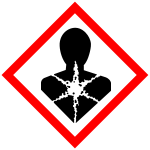
    Pictogram(s)
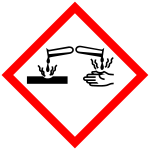
    Signal word

    Danger

    Hazard statement(s)

    H302 Harmful if swallowed

    H314 Causes severe skin burns and eye damage

    H317 May cause an allergic skin reaction

    H334 May cause allergy or asthma symptoms or breathing difficulties if inhaled

    H372 Causes damage to organs through prolonged or repeated exposure

    Precautionary statement(s)
    Prevention

    P264 Wash ... thoroughly after handling.

    P270 Do not eat, drink or smoke when using this product.

    P260 Do not breathe dust/fume/gas/mist/vapours/spray.

    P280 Wear protective gloves/protective clothing/eye protection/face protection/hearing protection/...

    P261 Avoid breathing dust/fume/gas/mist/vapours/spray.

    P272 Contaminated work clothing should not be allowed out of the workplace.

    P284 [In case of inadequate ventilation] wear respiratory protection.

    Response

    P301+P317 IF SWALLOWED: Get medical help.

    P330 Rinse mouth.

    P301+P330+P331 IF SWALLOWED: Rinse mouth. Do NOT induce vomiting.

    P363 Wash contaminated clothing before reuse.

    P304+P340 IF INHALED: Remove person to fresh air and keep comfortable for breathing.

    P316 Get emergency medical help immediately.

    P321 Specific treatment (see ... on this label).

    P305+P351+P338 IF IN EYES: Rinse cautiously with water for several minutes. Remove contact lenses, if present and easy to do. Continue rinsing.

    P305+P354+P338 IF IN EYES: Immediately rinse with water for several minutes. Remove contact lenses, if present and easy to do. Continue rinsing.

    P317 Get medical help.

    P302+P352 IF ON SKIN: Wash with plenty of water/...

    P333+P317 If skin irritation or rash occurs: Get medical help.

    P362+P364 Take off contaminated clothing and wash it before reuse.

    P342+P316 If experiencing respiratory symptoms: Get emergency medical help immediately.

    P319 Get medical help if you feel unwell.

    Storage

    P405 Store locked up.

    Disposal

    P501 Dispose of contents/container to an appropriate treatment and disposal facility in accordance with applicable laws and regulations, and product characteristics at time of disposal.

    Other hazards which do not result in classification

    no data available

    Handling and Storage

    Precautions for safe handling

    NO open flames. Closed system, dust explosion-proof electrical equipment and lighting. Prevent deposition of dust. Handling in a well ventilated place. Wear suitable protective clothing. Avoid contact with skin and eyes. Avoid formation of dust and aerosols. Use non-sparking tools. Prevent fire caused by electrostatic discharge steam.

    Conditions for safe storage, including any incompatibilities

    Dry. Separated from strong oxidants, strong bases and food and feedstuffs.Keep container tightly closed in a dry and well-ventilated place. Moisture sensitive. Storage class (TRGS 510): Non-combustible, corrosive hazardous materials

  • Seller Information
    Business Type:

    Trader

    Main Products:

    Food additives,Pharmaceutical raw materials,Chemicals,Comestic raw materials

    Location:

    Room 501, Unit 6, No. 40, hushan road,Licang,Qingdao

    Payment Terms:

    TT against copy of documents,TT against B/L draft before shipment,100% TT in advance

    Average lead Time:

    10

    Total Annual Revenue:

    $1 million-$2.5 million

    Total Employees:

    11-50

    Year of Establishment:

    2017

    QINGDAO EASTCHEMSORCES TRADE LIMITED is a leading Manufactory supplier of Sorbitol, Citric acid, Sodium hypochlorite based in Qingdao, Shandong, China. With a commitment to quality and customer satisfaction, QINGDAO EASTCHEMSORCES TRADE LIMITED has become a trusted name in the industry. Our product line includes a range of high-quality Sorbitol, Citric acid, Sodium hypochlorite, which are available at competitive prices. QINGDAO EASTCHEMSORCES TRADE LIMITED has established itself as a reliable supplier of chemical products on the echemi.com.

  • Inquiry History
    216 Inquiries
    Country Product Purchase Quantity Date Posted
    Japan

    Inquiry for Maleic Anhydride (Biobased) – CAS No. 108-31-6

    1 20' Fcl Jan 23, 2026
    India

    Maleic Anhydride 108-31-6

    250 MT Oct 27, 2023
    United States

    Maleic Anhydride (molten) 99.6% CAS 108-31-6 YUSSEN

    6000 MT Sep 21, 2023
    Egypt

    maleic anhydride bulk 99% white powder CAS 108-31-6 C4H2O3 maleic anhydride

    25 MT Nov 1, 2023
    Colombia

    Maleic Anhydride

    1 KG Aug 26, 2025
    United States

    Maleic anhydride

    100 TON Jun 14, 2024
    India

    Maleic Anhydride (Molten) 

    20.00 KG May 20, 2025
    India

    Maleic Anhydride (Molten)  

    200.00 KG Jun 1, 2025
    India

    Maleic Anhydride (Molten) 

    30.00 KG May 22, 2025
    India

    Maleic Anhydride (Molten) 

    10.00 KG May 17, 2025
    Pakistan

    Maleic Anhydride

    1.00 MT Jul 30, 2024
    India

    Maleic Anhydride

    20.00 MT Feb 18, 2024
    India

    Maleic Anhydride

    20.00 MT Feb 21, 2024
    India

    Maleic Anhydride

    1.00 MT Feb 26, 2024
    Austria

    Maleic Anhydride (Molten)

    100.00 KG Jun 7, 2025
    United Kingdom

    Maleic Anhydride

    1.00 MT Nov 6, 2024
    Qatar

    Maleic Anhydride

    40.00 TON May 23, 2024
    India

    Maleic Anhydride

    15.00 MT Jan 31, 2024
    Malaysia

    MALEIC ANHYDRIDE

    300 MT Jan 29, 2025
    India

    Maleic anhydride

    2000.00 KG Jul 2, 2026
    Post an enquiry for this product
pic ×

Scan the QR Code to Share

All products displayed on this website are only for non-medical purposes such as industrial applications or scientific research, and cannot be used for clinical diagnosis or treatment of humans or animals. They are not medicinal or edible.

According to relevant laws and regulations and the regulations of this website, units or individuals who purchase hazardous materials should obtain valid qualifications and qualification conditions.

The information shown above is provided by the enterprise itself, and the authenticity, accuracy and legitimacy of the content are the responsibility of the publishing company. ECHEMI does not bear any guarantee responsibility for this. Please be aware that risks in internet transactions objectively exist.

Feedback & Suggestions
Send Message

Thank you for your feedback. If you require further assistance, please contact us by email at info@echemi.com or call us at +86-532-55729510.