Product
Supplier
Encyclopedia
Inquiry
Home > Inorganic Chemistry > Inorganic Salts > Barium carbonate for Sale > 99.2% Barium Carbonate For Making Reagents BaCO3 CAS 513-77-9
99.2% Barium Carbonate For Making Reagents BaCO3 CAS 513-77-9 buy - large image1
99.2% Barium Carbonate For Making Reagents BaCO3 CAS 513-77-9 buy - image1
99.2% Barium Carbonate For Making Reagents BaCO3 CAS 513-77-9 buy - image2
99.2% Barium Carbonate For Making Reagents BaCO3 CAS 513-77-9 buy - image3
99.2% Barium Carbonate For Making Reagents BaCO3 CAS 513-77-9 buy - image4
99.2% Barium Carbonate For Making Reagents BaCO3 CAS 513-77-9 buy - image5
99.2% Barium Carbonate For Making Reagents BaCO3 CAS 513-77-9 buy - image6

99.2% Barium Carbonate For Making Reagents BaCO3 CAS 513-77-9

26 Inquiries

Unit Price: Get Latest Price
CAS No.:

513-77-9

Grade:

Industrial Grade

Content:

99.2%

Port:

Durban

Brand:

Custom

Packaging:

As per customer requirement

Price valid (until):

2024-05-06

Company Type:
Distributor
Location:
South Africa
Qualification:
Main Products:

Sodium Lauryl Ether Sulfate,Caustic Soda,Soda Ash,Citric Acid,Calcium Hypochlorite,Oxalic Acid

  • Product Description

  • Seller Information

  • Inquiry History

  • Description


      Product Detail  


    1. Chemical Composition: Barium carbonate consists of one barium atom bonded to one carbonate ion, resulting in the chemical formula BaCO3.

    2. Purity: "Barium carbonate 99.2%" indicates that the sample contains 99.2% pure barium carbonate, with the remaining 0.8% likely consisting of impurities or other compounds. High purity grades are desirable for certain applications where precise composition is crucial.

    3. Physical Properties:

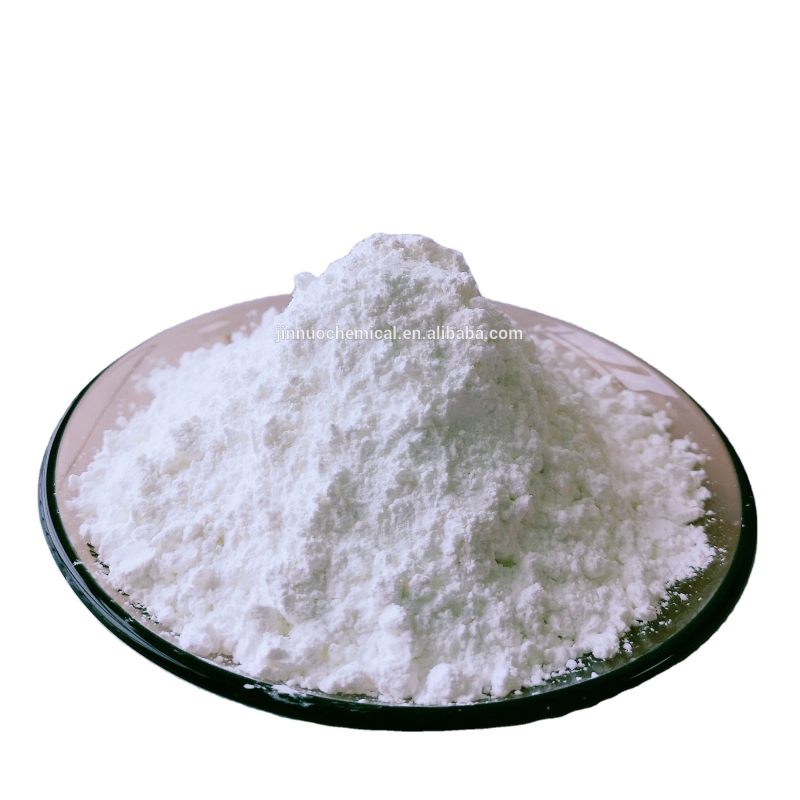
      • Appearance: Barium carbonate typically appears as a fine white powder or granules.
      • Density: The density of barium carbonate is approximately 4.275 grams per cubic centimeter (g/cm³).
      • Solubility: Barium carbonate is insoluble in water but soluble in acids, such as hydrochloric acid (HCl) and sulfuric acid (H2SO4).
      • Melting Point: Barium carbonate has a high melting point of approximately 811°C (1,492°F).
    4. Production:

      • Synthetic Methods: Barium carbonate is primarily produced through chemical precipitation reactions between soluble barium salts (e.g., barium chloride) and carbonate salts (e.g., sodium carbonate) under controlled conditions. The resulting precipitate is then filtered, washed, and dried to obtain the final product.
      • Natural Sources: Barium carbonate can also be obtained from natural mineral deposits, such as witherite, although this source is less common.
    5. Applications:

      • Glass Manufacturing: Barium carbonate is used as a fluxing agent in the production of special types of glass, such as optical glass, television picture tubes, and glass ceramics. It helps to reduce melting temperatures, increase glass density, and improve optical clarity.
      • Ceramic and Enamel Production: Barium carbonate is added to ceramic and enamel formulations as a flux to lower firing temperatures, enhance glaze adhesion, and produce glossy finishes in pottery, tiles, and sanitaryware.
      • Rat Poison: Barium carbonate has historically been used as a rat poison due to its toxicity. However, its use for this purpose has declined due to safety concerns and the availability of safer alternatives.
      • Specialty Chemicals: Barium carbonate is employed in the synthesis of various specialty chemicals, including barium salts, barium titanate (a ferroelectric ceramic material), and barium peroxide (used in fireworks and oxygen production).
      • Electronics: Barium carbonate is used in the production of certain electronic components, such as multilayer ceramic capacitors (MLCCs), where it serves as a dielectric material or a precursor for barium titanate ceramics.
    6. Safety Considerations:

      • Barium carbonate is toxic if ingested or inhaled and can cause severe health effects, including gastrointestinal irritation, cardiovascular effects, and nervous system damage. It should be handled with caution, and appropriate safety measures should be implemented to minimize exposure.
      • Proper ventilation and personal protective equipment (PPE), such as gloves and respiratory protection, should be used when handling barium carbonate powder or working with solutions containing barium ions.
    7. Environmental Impact:

      • Barium carbonate is not considered highly toxic to the environment; however, its release into soil or water bodies may pose risks to aquatic organisms and ecosystems.
      • Proper waste management practices should be followed to prevent environmental contamination, and disposal should be carried out in accordance with local regulations.


      Specifications  


    Items Specifications
    Chemical Formula BaCO3
    Molecular Weight Approximately 197.34 g/mol
    Appearance White crystalline powder
    Purity Typically ≥ 99.2%
    Solubility Insoluble in water; soluble in acids
    Density ~ 4.275 g/cm³ at 20°C
    Melting Point 811°C (1,492°F)
    Boiling Point Decomposes at high temperatures
    pH ~ 9-10 (basic)
    Odor Odorless
    Hazard Class Non-hazardous under normal handling and storage conditions
    Stability Stable under normal conditions
    Storage Store in a cool, dry place away from direct sunlight and incompatible materials
    Applications Primarily used in the production of barium salts, glass, ceramics, and bricks; as a flux in the ceramics industry; in the manufacture of specialty glass and optical glass; in the production of rat poison; and in various other industrial applications
    Environmental Impact Generally considered environmentally safe; however, proper disposal and handling are necessary to prevent environmental contamination


      Product Detail  


    Shop 99.2% Barium Carbonate For Making Reagents BaCO3 CAS 513-77-9-Detailed Image 1Shop 99.2% Barium Carbonate For Making Reagents BaCO3 CAS 513-77-9-Detailed Image 2

    Basic Info
    Product Name:

    Barium carbonate

    Other Name:

    Carbonic acid,barium salt (1:1);Barium carbonate;C.I. 77099;C.I. Pigment White 10;Barium carbonate (BaCO3);Barium carbonate (1:1);Barium monocarbonate;Pigment White 10;BW-P;BW-C3;FO3;LC 1;LC 1 (carbonate);LSR;BW-KH30;BW-KH 30;2566863-43-0

    CAS No.:

    513-77-9

    UN No.:

    1564

    Molecular Formula:

    CH2O3.Ba

    InChIKeys:

    InChIKey=RUFJMLKBWUXJMX-UHFFFAOYSA-N

    Molecular Weight:

    197.33600

    Exact Mass:

    197.89000

    EC Number:

    246-600-8

    UNII:

    6P669D8HQ8

    ICSC Number:

    0777

    UN Number:

    1564

    DSSTox ID:

    DTXSID1029623

    Color/Form:

    White, heavy powder

    HScode:

    2836600000

    Categories:

    Inorganic Salts

    Characteristics
    PSA:

    63.19000

    XLogP3:

    -2.44700

    Appearance:

    White powder

    Density:

    4.43 g/cm3

    Melting Point:

    811 °C

    Boiling Point:

    1450 °C

    Flash Point:

    169.8ºC

    Refractive Index:

    Indices of refraction: 1.529, 1.676, 1.677

    Water Solubility:

    H2O: 0.002 g/100 mL (20 ºC);Solubility in water, g/100ml at 20°C: 0.002 (very poor)

    Storage Conditions:

    Storage Room low temperature ventilation drying ,With acids, food additives separate storage

    Vapor Pressure:

    Essentially zero

    Toxicity:

    LD50 orally in Rabbit: 418 mg/kg

    Odor:

    Odorless

    Taste:

    Tasteless

    Experimental Properties:

    At about 1300 °C, decomposes into barium oxide and carbon dioxide|Mohs hardness: 3.5

    Air and Water Reactions:

    It is insoluble in water and soluble in most acids, with the exception of sulfuric acid.

    Reactive Group:

    Carbonate Salts

    Reactivity Profile:

    Salts, basic, such as BARIUM CARBONATE, are generally soluble in water. The resulting solutions contain moderate concentrations of hydroxide ions and have pH's greater than 7.0. They react as bases to neutralize acids. These neutralizations generate heat, but less or far less than is generated by neutralization of the bases in reactivity group 10 (Bases) and the neutralization of amines. They usually do not react as either oxidizing agents or reducing agents but such behavior is not impossible.

    Autoignition Temperature:

    Not flammable (USCG, 1999)

    Hazard Identification

    Classification of the substance or mixture

    Acute toxicity - Category 4, Oral

    GHS label elements, including precautionary statements

    Pictogram(s)

    Signal word

    Warning

    Hazard statement(s)

    H302 Harmful if swallowed

    Precautionary statement(s)
    Prevention

    P264 Wash ... thoroughly after handling.

    P270 Do not eat, drink or smoke when using this product.

    Response

    P301+P317 IF SWALLOWED: Get medical help.

    P330 Rinse mouth.

    Storage

    none

    Disposal

    P501 Dispose of contents/container to an appropriate treatment and disposal facility in accordance with applicable laws and regulations, and product characteristics at time of disposal.

    Other hazards which do not result in classification

    no data available

    Handling and Storage

    Precautions for safe handling

    Handling in a well ventilated place. Wear suitable protective clothing. Avoid contact with skin and eyes. Avoid formation of dust and aerosols. Use non-sparking tools. Prevent fire caused by electrostatic discharge steam.

    Conditions for safe storage, including any incompatibilities

    Separated from bromotrifluoride, strong acids and food and feedstuffs.Separated from bromotrifluoride, strong acids, food and feedstuffs.

  • Seller Information
    Business Type:

    Distributor

    Main Products:

    Sodium Lauryl Ether Sulfate,Caustic Soda,Soda Ash,Citric Acid,Calcium Hypochlorite,Oxalic Acid

    Location:

    13 PROTEA PARK MILKWOOD STREET RANGEVIEW GAUTENG 1739

    Payment Terms:

    TT against copy of documents,TT against B/L draft before shipment

    Average lead Time:

    60

    Total Annual Revenue:

    $1 million-$2.5 million

    Total Employees:

    11-50

    Year of Establishment:

    2012

  • Inquiry History
    26 Inquiries
    Country Product Purchase Quantity Date Posted
    United Arab Emirates

    Barium Carbonate

    27 MT Dec 17, 2025
    Bangladesh

    Barium Carbonate

    27 MT Dec 12, 2025
    Spain

    barium carbonate

    200 MT Oct 13, 2025
    Bangladesh

    Barium Carbonate

    2550.00 KG Jul 19, 2025
    India

    Barium Carbonate

    100 MT Apr 7, 2025
    India

    Barium carbonate

    150 MT Aug 16, 2023
    India

    Barium carbonate 99.2%

    100 MT Jun 30, 2023
    Bangladesh

    Barium Carbonate

    27 MT Dec 11, 2025
    Pakistan

    Barium Carbonate

    1 20' Fcl May 28, 2025
    India

    Barium carbonate

    1.00 20' Fcl May 14, 2025
    Pakistan

    Barium carbonate

    1 20' Fcl Apr 28, 2025
    Italy

    Barium carbonate

    1000 KG Jan 13, 2025
    Bangladesh

    barium carbonate

    100 MT Jul 11, 2024
    Pakistan

    Baruim carbonate

    100.00 MT Mar 29, 2024
    Russia

    Barium carbonate

    600 MT Nov 16, 2023
    United Kingdom

    Barium Carbonate

    100 MT Nov 3, 2023
    Argentina

    Barium carbonate Industrial Grade

    500 MT Oct 30, 2023
    United Arab Emirates

    Barium Carbonate

    1 20' Fcl May 18, 2026
    Bangladesh

    barium carbonate

    1000 KG Dec 12, 2025
    Turkmenistan

    barium carbonate

    240 TON Nov 25, 2024
    • 1
    • 2
    • Go to Page Go
    Post an enquiry for this product
pic ×

Scan the QR Code to Share

All products displayed on this website are only for non-medical purposes such as industrial applications or scientific research, and cannot be used for clinical diagnosis or treatment of humans or animals. They are not medicinal or edible.

According to relevant laws and regulations and the regulations of this website, units or individuals who purchase hazardous materials should obtain valid qualifications and qualification conditions.

The information shown above is provided by the enterprise itself, and the authenticity, accuracy and legitimacy of the content are the responsibility of the publishing company. ECHEMI does not bear any guarantee responsibility for this. Please be aware that risks in internet transactions objectively exist.

Feedback & Suggestions
Send Message

Thank you for your feedback. If you require further assistance, please contact us by email at info@echemi.com or call us at +86-532-55729510.