Product
Supplier
Encyclopedia
Inquiry
Home > Biochemical Engineering > Inhibitors > Phosphorus pentoxide for Sale > Manufactory Supply: Phosphorus pentoxide 99% high purity certified Professional producer
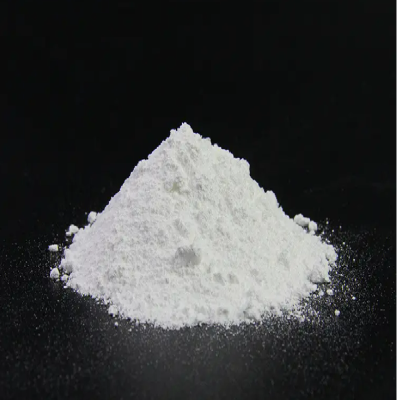
Manufactory Supply:  Phosphorus pentoxide 99% high purity certified Professional producer buy - large image1
Manufactory Supply:  Phosphorus pentoxide 99% high purity certified Professional producer buy - image1
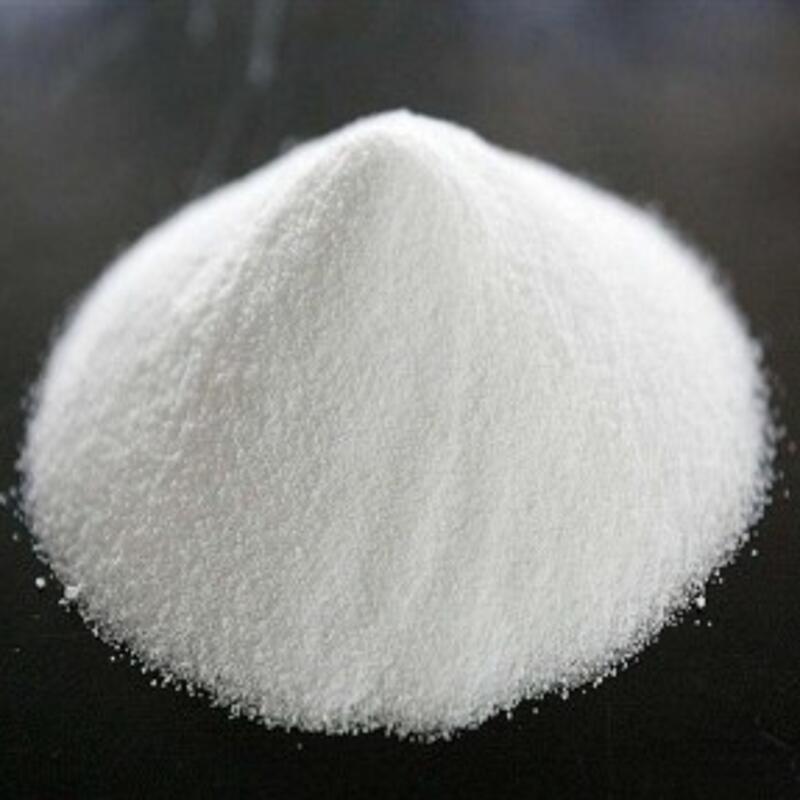
Manufactory Supply:  Phosphorus pentoxide 99% high purity certified Professional producer buy - image2
Manufactory Supply:  Phosphorus pentoxide 99% high purity certified Professional producer buy - image3
Manufactory Supply:  Phosphorus pentoxide 99% high purity certified Professional producer buy - image4
Manufactory Supply:  Phosphorus pentoxide 99% high purity certified Professional producer buy - image5
Manufactory Supply:  Phosphorus pentoxide 99% high purity certified Professional producer buy - image6

Manufactory Supply: Phosphorus pentoxide 99% high purity certified Professional producer

10 Inquiries

Unit Price: Get Latest Price
CAS No.:

1314-56-3

Grade:

Industrial Grade

Content:

99.5%

Port:

Shanghai

Brand:

EAST CHEMSOURCES LIMITED

Packaging:

25kg/bag

Price valid (until):

2024-05-08

Company Type:
Trader
Location:
China
Qualification:
Main Products:

Food additives,Pharmaceutical raw materials,Chemicals,Comestic raw materials

  • Product Description

  • Seller Information

  • Inquiry History

  • Description

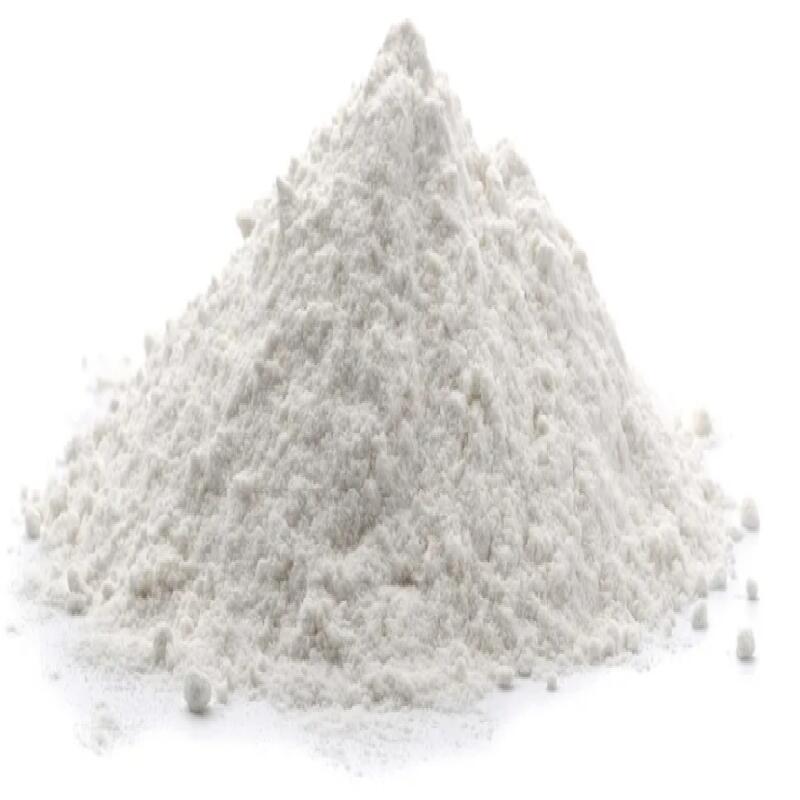
    Shop White Powder Phosphorus Pentoxide Phosphate P2O5 Phosphoric Anhydride-Detailed Image 1SAFETY DATA SHEETS

    According to the UN GHS revision 9

    Version: 1.0

    Creation Date: July 15, 2019

    Revision Date: July 15, 2019

    SECTION 1: Identification

    1.1GHS Product identifier

    Product name

    Diphosphorus pentaoxide

    1.2Other means of identification

    Product number

    -

    Other names

    NA 1807;Phosphoric anhydride (Phosphorus(V) oxide;P2-O5

    1.3Recommended use of the chemical and restrictions on use

    Identified uses

    Industrial and scientific research use.

    Uses advised against

    no data available


    SECTION 2: Hazard identification

    2.1Classification of the substance or mixture

    Skin corrosion, Sub-category 1A

    2.2GHS label elements, including precautionary statements

    Pictogram(s) Shop White Powder Phosphorus Pentoxide Phosphate P2O5 Phosphoric Anhydride-Detailed Image 2
    Signal word

    Danger

    Hazard statement(s)

    H314 Causes severe skin burns and eye damage

    Precautionary statement(s)
    Prevention

    P260 Do not breathe dust/fume/gas/mist/vapours/spray.

    P264 Wash ... thoroughly after handling.

    P280 Wear protective gloves/protective clothing/eye protection/face protection/hearing protection/...

    Response

    P301+P330+P331 IF SWALLOWED: Rinse mouth. Do NOT induce vomiting.

    P363 Wash contaminated clothing before reuse.

    P304+P340 IF INHALED: Remove person to fresh air and keep comfortable for breathing.

    P316 Get emergency medical help immediately.

    P321 Specific treatment (see ... on this label).

    P305+P351+P338 IF IN EYES: Rinse cautiously with water for several minutes. Remove contact lenses, if present and easy to do. Continue rinsing.

    Storage

    P405 Store locked up.

    Disposal

    P501 Dispose of contents/container to an appropriate treatment and disposal facility in accordance with applicable laws and regulations, and product characteristics at time of disposal.

    2.3Other hazards which do not result in classification

    no data available

    SECTION 3: Composition/information on ingredients

    3.1Substances

    Chemical name Common names and synonyms CAS number EC number Concentration
    Diphosphorus pentaoxide Diphosphorus pentaoxide 1314-56-3 215-236-1 100%

    SECTION 4: First-aid measures

    4.1Description of necessary first-aid measures

    If inhaled

    Fresh air, rest. Half-upright position. Artificial respiration may be needed. Refer for medical attention.

    Following skin contact

    Remove contaminated clothes. Rinse skin with plenty of water or shower. Refer for medical attention . Wear protective gloves when administering first aid.

    Following eye contact

    First rinse with plenty of water for several minutes (remove contact lenses if easily possible), then refer for medical attention.

    Following ingestion

    Do NOT induce vomiting. Rest. Refer for medical attention .

    4.2Most important symptoms/effects, acute and delayed

    no data available

    4.3Indication of immediate medical attention and special treatment needed, if necessary

    no data available

    SECTION 5: Fire-fighting measures

    5.1Suitable extinguishing media

    Use dry chemical, carbon dioxide or alcohol-resistant foam.

    5.2Specific hazards arising from the chemical

    Not combustible but enhances combustion of other substances. Many reactions may cause fire or explosion. Gives off irritating or toxic fumes (or gases) in a fire.

    5.3Special protective actions for fire-fighters

    Use powder, carbon dioxide, dry sand. NO hydrous agents.

    SECTION 6: Accidental release measures

    6.1Personal precautions, protective equipment and emergency procedures

    Personal protection: chemical protection suit including self-contained breathing apparatus. Sweep spilled substance into covered containers. Cautiously neutralize remainder with soda ash or calcium carbonate. Wash away remainder with plenty of water.

    6.2Environmental precautions

    Prevent further spillage or leakage if it is safe to do so. Do not let the chemical enter drains. Discharge into the environment must be avoided.

    6.3Methods and materials for containment and cleaning up

    Collect and arrange disposal. Keep the chemical in suitable and closed containers for disposal. Remove all sources of ignition. Use spark-proof tools and explosion-proof equipment. Adhered or collected material should be promptly disposed of, in accordance with appropriate laws and regulations.

    SECTION 7: Handling and storage

    7.1Precautions for safe handling

    NO contact with water or combustible substances. Handling in a well ventilated place. Wear suitable protective clothing. Avoid contact with skin and eyes. Avoid formation of dust and aerosols. Use non-sparking tools. Prevent fire caused by electrostatic discharge steam.

    7.2Conditions for safe storage, including any incompatibilities

    Separated from combustible substances, reducing agents, strong oxidants, strong bases, water and food and feedstuffs. Dry.

    SECTION 8: Exposure controls/personal protection

    8.1Control parameters

    Occupational Exposure limit values

    EU-OEL: 1 mg/m3 as TWA.MAK: (inhalable fraction): 2 mg/m3; peak limitation category: I(2); pregnancy risk group: C

    Biological limit values

    no data available

    8.2Appropriate engineering controls

    Ensure adequate ventilation. Handle in accordance with good industrial hygiene and safety practice. Set up emergency exits and the risk-elimination area.

    8.3Individual protection measures, such as personal protective equipment (PPE)

    Eye/face protection

    Wear face shield or eye protection in combination with breathing protection.

    Skin protection

    Protective gloves. Protective clothing.

    Respiratory protection

    Use local exhaust or breathing protection.

    Thermal hazards

    no data available

    SECTION 9: Physical and chemical properties and safety characteristics

    Physical state

    white to yellow crystalline powder

    Colour

    no data available

    Odour

    no data available

    Melting point/freezing point

    340-360°C

    Boiling point or initial boiling point and boiling range

    sublimes at 300°C

    Flammability

    no data available

    Lower and upper explosion limit/flammability limit

    no data available

    Flash point

    Non-combustible

    Auto-ignition temperature

    no data available

    Decomposition temperature

    no data available

    pH

    no data available

    Kinematic viscosity

    no data available

    Solubility

    Solubility in water: reaction 

    Partition coefficient n-octanol/water

    no data available

    Vapour pressure

    1 mm Hg ( 384 °C)

    Density and/or relative density

    2.3g/mLat 25°C(lit.)

    Relative vapour density

    4.9 (vs air)

    Particle characteristics

    no data available

    SECTION 10: Stability and reactivity

    10.1Reactivity

    no data available

    10.2Chemical stability

    no data available

    10.3Possibility of hazardous reactions

    The solution in water is a strong acid. It reacts violently with bases and is corrosive. Reacts violently with perchloric acid. This generates fire and explosion hazard. Reacts violently with water. This produces phosphoric acid. Attacks many metals in the presence of water.

    10.4Conditions to avoid

    no data available

    10.5Incompatible materials

    no data available

    10.6Hazardous decomposition products

    no data available

    SECTION 11: Toxicological information

    Acute toxicity

    • Oral: no data available
    • Inhalation: no data available
    • Dermal: no data available

    Skin corrosion/irritation

    no data available

    Serious eye damage/irritation

    no data available

    Respiratory or skin sensitization

    no data available

    Germ cell mutagenicity

    no data available

    Carcinogenicity

    no data available

    Reproductive toxicity

    no data available

    STOT-single exposure

    The substance is very corrosive to the eyes, skin and respiratory tract. Corrosive on ingestion. Inhalation of dust may cause lung oedema. See Notes. The effects may be delayed. Medical observation is indicated.

    STOT-repeated exposure

    no data available

    Aspiration hazard

    Evaporation at 20°C is negligible; a harmful concentration of airborne particles can, however, be reached quickly when dispersed.

    SECTION 12: Ecological information

    12.1Toxicity

    • Toxicity to fish: no data available
    • Toxicity to daphnia and other aquatic invertebrates: no data available
    • Toxicity to algae: no data available
    • Toxicity to microorganisms: no data available

    12.2Persistence and degradability

    no data available

    12.3Bioaccumulative potential

    no data available

    12.4Mobility in soil

    no data available

    12.5Other adverse effects

    no data available

    SECTION 13: Disposal considerations

    13.1Disposal methods

    Product

    The material can be disposed of by removal to a licensed chemical destruction plant or by controlled incineration with flue gas scrubbing. Do not contaminate water, foodstuffs, feed or seed by storage or disposal. Do not discharge to sewer systems.

    Contaminated packaging

    Containers can be triply rinsed (or equivalent) and offered for recycling or reconditioning. Alternatively, the packaging can be punctured to make it unusable for other purposes and then be disposed of in a sanitary landfill. Controlled incineration with flue gas scrubbing is possible for combustible packaging materials.

    SECTION 14: Transport information

    14.1UN Number

    ADR/RID: UN1807 (For reference only, please check.) IMDG: UN1807 (For reference only, please check.) IATA: UN1807 (For reference only, please check.)

    14.2UN Proper Shipping Name

    ADR/RID: PHOSPHORUS PENTOXIDE (For reference only, please check.) IMDG: PHOSPHORUS PENTOXIDE (For reference only, please check.) IATA: PHOSPHORUS PENTOXIDE (For reference only, please check.)

    14.3Transport hazard class(es)

    ADR/RID: 8 (For reference only, please check.) IMDG: 8 (For reference only, please check.) IATA: 8 (For reference only, please check.)

    14.4Packing group, if applicable

    ADR/RID: II (For reference only, please check.) IMDG: II (For reference only, please check.) IATA: II (For reference only, please check.)

    14.5Environmental hazards

    ADR/RID: No IMDG: No IATA: No

    14.6Special precautions for user

    no data available

    14.7Transport in bulk according to IMO instruments

    no data available

    SECTION 15: Regulatory information

    15.1Safety, health and environmental regulations specific for the product in question

    Chemical name Common names and synonyms CAS number EC number
    Diphosphorus pentaoxide Diphosphorus pentaoxide 1314-56-3 215-236-1
    European Inventory of Existing Commercial Chemical Substances (EINECS) Listed.
    EC Inventory Listed.
    United States Toxic Substances Control Act (TSCA) Inventory Listed.
    China Catalog of Hazardous chemicals 2015 Listed.
    New Zealand Inventory of Chemicals (NZIoC) Listed.
    Philippines Inventory of Chemicals and Chemical Substances (PICCS) Listed.
    Vietnam National Chemical Inventory Listed.
    Chinese Chemical Inventory of Existing Chemical Substances (China IECSC) Listed.
    Korea Existing Chemicals List (KECL) Listed.

    SECTION 16: Other information

    Information on revision

    Creation Date July 15, 2019
    Revision Date July 15, 2019

    Abbreviations and acronyms

    • CAS: Chemical Abstracts Service
    • ADR: European Agreement concerning the International Carriage of Dangerous Goods by Road
    • RID: Regulation concerning the International Carriage of Dangerous Goods by Rail
    • IMDG: International Maritime Dangerous Goods
    • IATA: International Air Transportation Association
    • TWA: Time Weighted Average
    • STEL: Short term exposure limit
    • LC50: Lethal Concentration 50%
    • LD50: Lethal Dose 50%
    • EC50: Effective Concentration 50%

    Pls input...

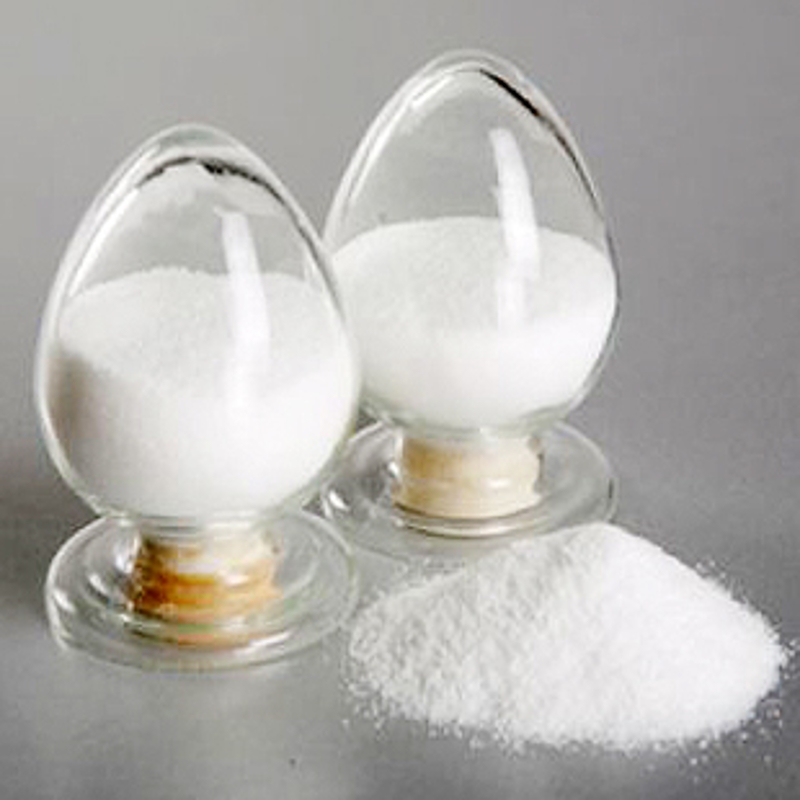
    Shop White Powder Phosphorus Pentoxide Phosphate P2O5 Phosphoric Anhydride-Detailed Image 3

    Items Specifications
    Appearance White Powder
    Water Insoluble ≤0.01%
    Heavy metal ≤25ppm
    Arsenic content ≤80ppm
    Assay ≥99.0%

    Shop White Powder Phosphorus Pentoxide Phosphate P2O5 Phosphoric Anhydride-Detailed Image 4

    Shop White Powder Phosphorus Pentoxide Phosphate P2O5 Phosphoric Anhydride-Detailed Image 5Shop White Powder Phosphorus Pentoxide Phosphate P2O5 Phosphoric Anhydride-Detailed Image 6Shop White Powder Phosphorus Pentoxide Phosphate P2O5 Phosphoric Anhydride-Detailed Image 7

    Basic Info
    Product Name:

    Phosphorus pentoxide

    Other Name:

    Phosphorus oxide (P2O5);Diphosphorus pentoxide;Phosphoric anhydride;Phosphorus pentaoxide;Phosphorus pentoxide;Diphosphorus pentaoxide;Phosphoric pentoxide;Diphosphorus pentaoxide (P2O5);Phosphorus oxide;Phosphoric acid anhydride;Phosphoric oxide;24377-84-2;50811-86-4;59778-57-3;72906-42-4;2566863-42-9

    CAS No.:

    1314-56-3

    Molecular Formula:

    O5P2

    InChIKeys:

    YWEUIGNSBFLMFL-UHFFFAOYSA-N

    Molecular Weight:

    141.94500

    Exact Mass:

    141.92200

    EC Number:

    615-868-1

    ICSC Number:

    0545

    UN Number:

    1807

    DSSTox ID:

    DTXSID9047754

    Color/Form:

    /There are/ several crystalline & amorphous modifications; commercial form, hexagonal|White, orthogonal crystals|Exists in several forms but is often referred to by its empirical formula P2O5. Three crystalline polymorphs (H, O, O'), two distinct liquids,and several amorphous or glassy solids are recognized. The best-characterized form is the H (hexagonal) or alpha modification that consists of P4O10 molecules.

    HScode:

    2809100000

    Categories:

    Inhibitors

    Characteristics
    PSA:

    145.79000

    XLogP3:

    1.1788

    Appearance:

    White to yellow crystalline powder

    Density:

    2.30 g/cm3

    Melting Point:

    562 °C

    Boiling Point:

    500 °C @ Press: 550 Torr

    Flash Point:

    340-360°C

    Refractive Index:

    1.433-1.436

    Water Solubility:

    soluble in sulfuric acid. Insoluble in acetone and ammonia. Decomposes in water.Readily absorbs moisture from the air forming a syrup of meta-, pyro-, and orthophosphoric acids. Reacts violently with water releasing considerable heat [Oldbury Chemicals, p. 9].

    Storage Conditions:

    Storage Room low temperature ventilation drying ,Separate storage of caustic soda and flammable materials

    Vapor Pressure:

    1 mm Hg ( 384 °C)

    Vapor Density:

    4.9 (vs air)

    Flammability characteristics:

    Non-combustible. But encountering water and organic materials such as wood, cotton or straw, it reacts violently to release heat, may cause a fire.

    Experimental Properties:

    Very deliquescent. Readily absorbs moisture from the air. Exothermic hydrolysis by water to form phosphoric acid. The reaction with alcohol is similar.|Heat of formation: -365.83 kcal/mole. Specific heat: 0.170 cal/g/ °C. Heat of fusion: 8.2 kcal/mole.|Sublimation temperature 360 °C.|Most important chemical property is its avidity for water. Below 100 °C, it is one of the most dehydrating agents known, extracting water from substances that are considered good dehydrating agents. For example it converts pure HNO3 to N2O5, H2SO4 to SO3, dehydrates amides to nitriles, reacts with alcohols to produce esters of simple and polymeric phosphoric acids, and effects ring closures and other condensation reactions.|For more Other Experimental Properties (Complete) data for PHOSPHORUS PENTOXIDE (6 total), please visit the HSDB record page.

    Air and Water Reactions:

    Readily absorbs moisture from the air forming a syrup of meta-, pyro-, and orthophosphoric acids. Reacts violently with water releasing considerable heat [Oldbury Chemicals, p. 9]. There is a possibility that this very rapid, exothermic reaction would create a toxic acidic mist in a spill of the chemical into water.

    Reactive Group:

    Anhydrides

    Reactivity Alerts:

    Water-Reactive

    Reactivity Profile:

    PHOSPHORIC ANHYDRIDE reacts violently and exothermically with water. The heat can ignite surrounding or admixed combustible materials. Undergoes hazardous or violent reactions with metal hydroxides and oxides, formic acid, hydrogen fluoride and hydrofluoric acid, iodides, metals (in particular potassium and sodium), oxidizing agents (bromine pentafluoride, chlorine trifluoride, perchloric acid, oxygen difluoride, hydrogen peroxide), ammonia, and proparygl alcohol. [Bretherick, 5th ed., 1995, p. 1781; EPA, 1998]. A violent explosion occurs if a solution of perchloric acid in chloroform is poured over phosphorus pentaoxide [EPA, 1998].

    Corrosivity:

    Corrosive

    Heat of Vaporization:

    22.7 kcal/mole of P4O10

    Hazard Identification

    Classification of the substance or mixture

    Skin corrosion, Sub-category 1A

    GHS label elements, including precautionary statements

    Pictogram(s)

    Signal word

    Danger

    Hazard statement(s)

    H314 Causes severe skin burns and eye damage

    Precautionary statement(s)
    Prevention

    P260 Do not breathe dust/fume/gas/mist/vapours/spray.

    P264 Wash ... thoroughly after handling.

    P280 Wear protective gloves/protective clothing/eye protection/face protection/hearing protection/...

    Response

    P301+P330+P331 IF SWALLOWED: Rinse mouth. Do NOT induce vomiting.

    P363 Wash contaminated clothing before reuse.

    P304+P340 IF INHALED: Remove person to fresh air and keep comfortable for breathing.

    P316 Get emergency medical help immediately.

    P321 Specific treatment (see ... on this label).

    P305+P351+P338 IF IN EYES: Rinse cautiously with water for several minutes. Remove contact lenses, if present and easy to do. Continue rinsing.

    Storage

    P405 Store locked up.

    Disposal

    P501 Dispose of contents/container to an appropriate treatment and disposal facility in accordance with applicable laws and regulations, and product characteristics at time of disposal.

    Other hazards which do not result in classification

    no data available

    Handling and Storage

    Precautions for safe handling

    NO contact with water or combustible substances. Handling in a well ventilated place. Wear suitable protective clothing. Avoid contact with skin and eyes. Avoid formation of dust and aerosols. Use non-sparking tools. Prevent fire caused by electrostatic discharge steam.

    Conditions for safe storage, including any incompatibilities

    Separated from combustible substances, reducing agents, strong oxidants, strong bases, water and food and feedstuffs. Dry.

  • Seller Information
    Business Type:

    Trader

    Main Products:

    Food additives,Pharmaceutical raw materials,Chemicals,Comestic raw materials

    Location:

    Room 501, Unit 6, No. 40, hushan road,Licang,Qingdao

    Payment Terms:

    TT against copy of documents,TT against B/L draft before shipment,100% TT in advance

    Average lead Time:

    10

    Total Annual Revenue:

    $1 million-$2.5 million

    Total Employees:

    11-50

    Year of Establishment:

    2017

    QINGDAO EASTCHEMSORCES TRADE LIMITED is a leading Manufactory supplier of Sorbitol, Citric acid, Sodium hypochlorite based in Qingdao, Shandong, China. With a commitment to quality and customer satisfaction, QINGDAO EASTCHEMSORCES TRADE LIMITED has become a trusted name in the industry. Our product line includes a range of high-quality Sorbitol, Citric acid, Sodium hypochlorite, which are available at competitive prices. QINGDAO EASTCHEMSORCES TRADE LIMITED has established itself as a reliable supplier of chemical products on the echemi.com.

  • Inquiry History
    10 Inquiries
    Country Product Purchase Quantity Date Posted
    Russia

    P2O5 (P4O10)

    20 KG Jul 29, 2024
    India

    Spend phosphoric acid (P2O5)

    1.00 KG Oct 9, 2025
    Russia

    Phosphorus Pentoxide

    54 MT Sep 25, 2025
    United States

    phosphorous pentoxide

    100 KG Oct 10, 2024
    India

    Phosphorus pentoxide

    1.00 MT Jul 1, 2024
    Germany

    DIPHOSPHORUS PENTAOXIDE

    1 20' Fcl May 7, 2024
    South Korea

    P2O5

    1 20' Fcl Apr 8, 2024
    Brazil

    PHOSPHORUS PENTOXIDE

    8311.00 KG Jun 16, 2025
    South Korea

    Phosphorus Pentoxide

    18 MT Jun 7, 2024
    Egypt

    Phosphorus pentoxide

    2 MT Aug 24, 2024
    Post an enquiry for this product
pic ×

Scan the QR Code to Share

All products displayed on this website are only for non-medical purposes such as industrial applications or scientific research, and cannot be used for clinical diagnosis or treatment of humans or animals. They are not medicinal or edible.

According to relevant laws and regulations and the regulations of this website, units or individuals who purchase hazardous materials should obtain valid qualifications and qualification conditions.

The information shown above is provided by the enterprise itself, and the authenticity, accuracy and legitimacy of the content are the responsibility of the publishing company. ECHEMI does not bear any guarantee responsibility for this. Please be aware that risks in internet transactions objectively exist.

Feedback & Suggestions
Send Message

Thank you for your feedback. If you require further assistance, please contact us by email at info@echemi.com or call us at +86-532-55729510.