Product
Supplier
Encyclopedia
Inquiry
Home > Pharmaceutical Intermediates > Bulk Drug Intermediates > N-(n-Butyl)thiophosphoric triamide for Sale > N-(n-Butyl)thiophosphoric triamide CAS NO (94317-64-3) For Sale
N-(n-Butyl)thiophosphoric triamide CAS NO  (94317-64-3) For Sale buy - large image1
N-(n-Butyl)thiophosphoric triamide CAS NO  (94317-64-3) For Sale buy - image1
N-(n-Butyl)thiophosphoric triamide CAS NO  (94317-64-3) For Sale buy - image2
N-(n-Butyl)thiophosphoric triamide CAS NO  (94317-64-3) For Sale buy - image3
N-(n-Butyl)thiophosphoric triamide CAS NO  (94317-64-3) For Sale buy - image4
N-(n-Butyl)thiophosphoric triamide CAS NO  (94317-64-3) For Sale buy - image5
N-(n-Butyl)thiophosphoric triamide CAS NO  (94317-64-3) For Sale buy - image6

N-(n-Butyl)thiophosphoric triamide CAS NO (94317-64-3) For Sale

4 Inquiries

Unit Price: Get Latest Price
CAS No.:

94317-64-3

Grade:

Pharmaceutical Grade

Content:

99%

Port:

Durban

Brand:

Custom

Packaging:

As per customer requirement

Price valid (until):

2024-05-29

Company Type:
Distributor
Location:
South Africa
Qualification:
Main Products:

Sodium Lauryl Ether Sulfate,Caustic Soda,Soda Ash,Citric Acid,Calcium Hypochlorite,Oxalic Acid

  • Product Description

  • Seller Information

  • Inquiry History

  • Description


      Product Detail  


                                                                                          1. Methylaniline (106-49-0)

                                                                                            1. Introduction to Methylaniline (106-49-0)

                                                                                            Methylaniline, also known as N-methylaniline or monomethylaniline, is an aromatic amine compound with the chemical formula C7H9N. It is a colorless to pale yellow liquid with a characteristic amine odor. Methylaniline finds applications in various industrial processes, including the production of dyes, pharmaceuticals, pesticides, and rubber chemicals.

                                                                                            2. Chemical Structure and Composition

                                                                                            Methylaniline consists of a benzene ring substituted with a methyl group (-CH3) and an amino group (-NH2) at different positions on the ring. This structural arrangement gives methylaniline its characteristic properties, influencing its reactivity, solubility, and behavior in chemical reactions.

                                                                                            3. Physical Properties of Methylaniline

                                                                                            Methylaniline is a slightly viscous liquid with a boiling point of approximately 197-200°C and a density of around 0.97 g/cm³. It is soluble in organic solvents such as alcohol, ether, and chloroform but sparingly soluble in water. Methylaniline exhibits weakly basic properties and can undergo protonation to form a positively charged ammonium ion.

                                                                                            4. Industrial Applications

                                                                                            Methylaniline serves as a valuable intermediate in the synthesis of dyes, pigments, and colorants for textiles, plastics, and printing inks. It is also employed in the production of pharmaceuticals, including analgesics, antioxidants, and antimalarial drugs. Additionally, methylaniline finds application as a raw material in the manufacturing of rubber chemicals, corrosion inhibitors, and agrochemicals.

                                                                                            5. Dye Synthesis and Coloration

                                                                                            One of the primary uses of methylaniline is in the production of azo dyes and pigments, where it serves as a diazo component or coupling agent in dye synthesis reactions. By coupling with diazonium salts derived from aromatic amines or aromatic diazonium compounds, methylaniline contributes to the formation of a wide range of vibrant and stable colorants used in textiles, paints, and coatings.

                                                                                            6. Pharmaceuticals and Chemical Intermediates

                                                                                            Methylaniline derivatives exhibit pharmacological activity and find applications as intermediates in the synthesis of pharmaceutical compounds. Substituted methylanilines are utilized in the production of analgesics, antipyretics, and antimalarial drugs, as well as in the synthesis of antioxidants, rubber additives, and corrosion inhibitors for industrial applications.

                                                                                            7. Rubber Chemicals and Polymer Additives

                                                                                            Methylaniline is used in the production of rubber chemicals, including accelerators, antioxidants, and vulcanization agents, which enhance the performance and durability of rubber products. It acts as a stabilizer and antioxidant, protecting rubber materials from degradation caused by heat, oxidation, and UV exposure, thereby extending their service life in automotive, construction, and industrial applications.

                                                                                            8. Toxicity and Health Hazards

                                                                                            While methylaniline offers various industrial applications, it is important to consider safety precautions and health hazards associated with its handling and usage. Prolonged or repeated exposure to methylaniline may cause irritation to the skin, eyes, and respiratory tract. Ingestion or inhalation of methylaniline vapors or dust may lead to systemic effects, including headache, dizziness, nausea, and central nervous system depression.

                                                                                            9. Environmental Impact and Regulatory Compliance

                                                                                            Efforts to mitigate the environmental impact of methylaniline production and usage focus on minimizing emissions, waste generation, and environmental contamination. Regulatory agencies impose restrictions on the use, storage, and disposal of methylaniline-containing products to protect human health and the environment. Compliance with occupational exposure limits, safety data sheets (SDS), and environmental regulations is essential to ensure responsible handling and management of methylaniline.

                                                                                            10. Research and Development

                                                                                            Continued research into the synthesis, properties, and applications of methylaniline and its derivatives contributes to advancements in dye chemistry, pharmaceuticals, materials science, and environmental technology. By exploring new synthetic routes, optimizing reaction conditions, and characterizing novel compounds, researchers can unlock new opportunities for innovation and address emerging challenges in industry and academia.

    Items Specifications
    Chemical Formula C₅H₁₅N₃PS
    Molecular Weight 191.24 g/mol
    CAS Number 94317-64-3
    Appearance Colorless to yellow liquid
    Odor Characteristic
    Density ~1.008 g/cm³ at 20°C
    Boiling Point Decomposes above 200°C
    Melting Point Not available
    Flash Point Not available
    Solubility Soluble in organic solvents
    pH Neutral
    Vapor Pressure Negligible
    Purity ≥ 98%
    Storage Store in a cool, dry, well-ventilated area away from incompatible substances. Keep container tightly closed. Protect from moisture and direct sunlight.
    Handling Avoid contact with eyes, skin, and clothing. Use appropriate protective equipment. Avoid ingestion and inhalation. Dispose of according to local regulations.


      Product Detail  


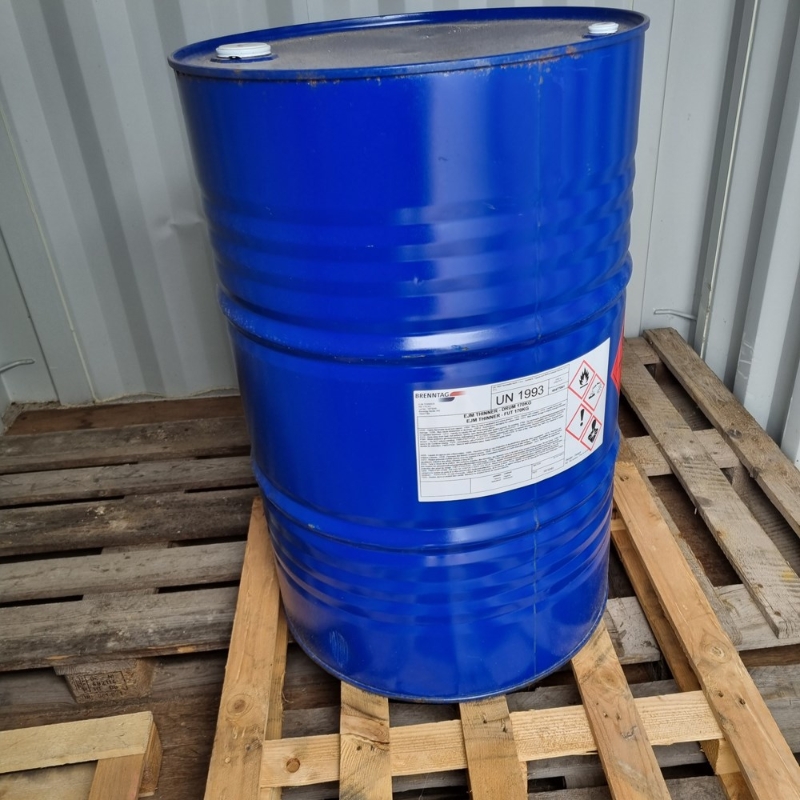
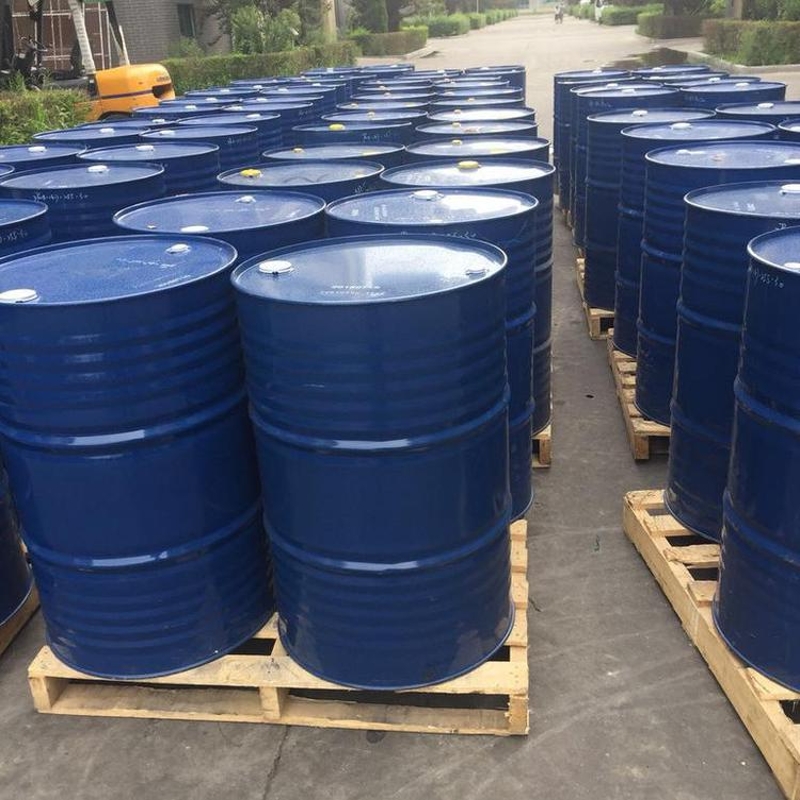
    Shop Factory Price N-(n-Butyl)thiophosphoric triamide CAS NO (94317-64-3)-Detailed Image 1Shop Factory Price N-(n-Butyl)thiophosphoric triamide CAS NO (94317-64-3)-Detailed Image 2Shop Factory Price N-(n-Butyl)thiophosphoric triamide CAS NO (94317-64-3)-Detailed Image 3Shop Factory Price N-(n-Butyl)thiophosphoric triamide CAS NO (94317-64-3)-Detailed Image 4Shop Factory Price N-(n-Butyl)thiophosphoric triamide CAS NO (94317-64-3)-Detailed Image 5Shop Factory Price N-(n-Butyl)thiophosphoric triamide CAS NO (94317-64-3)-Detailed Image 6

    Basic Info
    Product Name:

    N-(n-Butyl)thiophosphoric triamide

    Other Name:

    Phosphorothioic triamide,N-butyl-;Phosphorothioic triamide,butyl-;N-Butylphosphorothioic triamide;N-(n-Butyl)thiophosphoric triamide;N-Butylthiophosphoric triamide;N-(n-Butyl)phosphorothioic triamide;Agrotain;Agrotain Plus;Agrotain DC;ArmU;Agrotain Ultra;Agrotain Prime;N-(n-Butyl)thiophosphoric acid triamide

    CAS No.:

    94317-64-3

    Molecular Formula:

    C4H14N3PS

    InChIKeys:

    InChIKey=HEPPIYNOUFWEPP-UHFFFAOYSA-N

    Molecular Weight:

    167.21300

    Exact Mass:

    167.21

    EC Number:

    619-010-7

    UNII:

    A6103OK7GF

    DSSTox ID:

    DTXSID4044747

    HScode:

    2929909090

    Characteristics
    PSA:

    105.97000

    XLogP3:

    0.6

    Appearance:

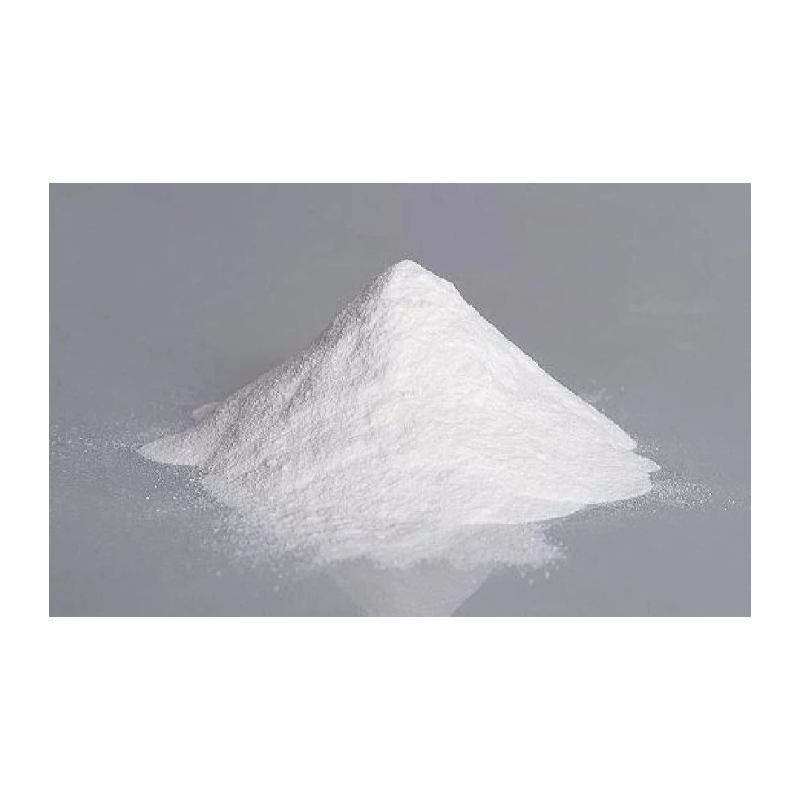
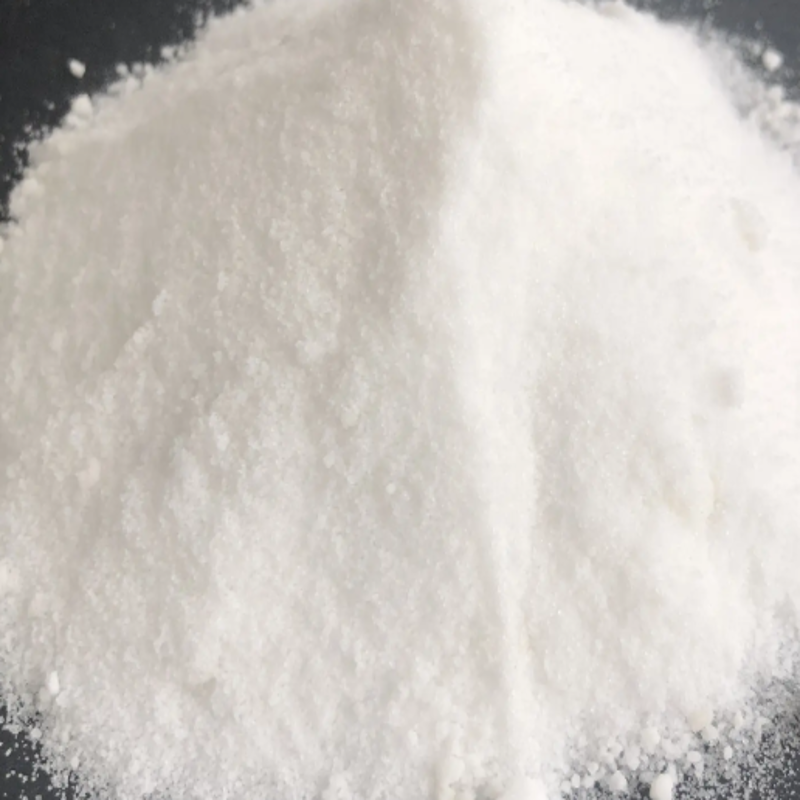
    Appearance: White Crystalline Solid

    Density:

    1.171 g/cm3

    Melting Point:

    54 °C

    Boiling Point:

    277.4ºC at 760 mmHg

    Flash Point:

    96ºC

    Refractive Index:

    1.548

    Water Solubility:

    H2O: 4.3 g/L at 25 ºC

    Storage Conditions:

    -20ºC

    Hazard Identification

    Classification of the substance or mixture

    Skin irritation, Category 2

    Eye irritation, Category 2

    Specific target organ toxicity – single exposure, Category 3

    GHS label elements, including precautionary statements

    Pictogram(s)

    Signal word

    Warning

    Hazard statement(s)

    H315 Causes skin irritation

    H319 Causes serious eye irritation

    H335 May cause respiratory irritation

    Precautionary statement(s)
    Prevention

    P264 Wash ... thoroughly after handling.

    P280 Wear protective gloves/protective clothing/eye protection/face protection/hearing protection/...

    P261 Avoid breathing dust/fume/gas/mist/vapours/spray.

    P271 Use only outdoors or in a well-ventilated area.

    Response

    P302+P352 IF ON SKIN: Wash with plenty of water/...

    P321 Specific treatment (see ... on this label).

    P332+P317 If skin irritation occurs: Get medical help.

    P362+P364 Take off contaminated clothing and wash it before reuse.

    P305+P351+P338 IF IN EYES: Rinse cautiously with water for several minutes. Remove contact lenses, if present and easy to do. Continue rinsing.

    P304+P340 IF INHALED: Remove person to fresh air and keep comfortable for breathing.

    P319 Get medical help if you feel unwell.

    Storage

    P403+P233 Store in a well-ventilated place. Keep container tightly closed.

    P405 Store locked up.

    Disposal

    P501 Dispose of contents/container to an appropriate treatment and disposal facility in accordance with applicable laws and regulations, and product characteristics at time of disposal.

    Other hazards which do not result in classification

    no data available

    Handling and Storage

    Precautions for safe handling

    Handling in a well ventilated place. Wear suitable protective clothing. Avoid contact with skin and eyes. Avoid formation of dust and aerosols. Use non-sparking tools. Prevent fire caused by electrostatic discharge steam.

    Conditions for safe storage, including any incompatibilities

    Store the container tightly closed in a dry, cool and well-ventilated place. Store apart from foodstuff containers or incompatible materials.

  • Seller Information
    Business Type:

    Distributor

    Main Products:

    Sodium Lauryl Ether Sulfate,Caustic Soda,Soda Ash,Citric Acid,Calcium Hypochlorite,Oxalic Acid

    Location:

    13 PROTEA PARK MILKWOOD STREET RANGEVIEW GAUTENG 1739

    Payment Terms:

    TT against copy of documents,TT against B/L draft before shipment

    Average lead Time:

    60

    Total Annual Revenue:

    $1 million-$2.5 million

    Total Employees:

    11-50

    Year of Establishment:

    2012

  • Inquiry History
    4 Inquiries
    Country Product Purchase Quantity Date Posted
    India

    NBPT

    10 MT Sep 5, 2024
    Mexico

    NBPT

    1 MT Jan 15, 2026
    Italy

    N-(N-BUTYL)THIOPHOSPHORIC TRIAMIDE

    6000 KG Oct 3, 2024
    Argentina

    NBPT

    10000 KG Dec 26, 2023
    Post an enquiry for this product
pic ×

Scan the QR Code to Share

All products displayed on this website are only for non-medical purposes such as industrial applications or scientific research, and cannot be used for clinical diagnosis or treatment of humans or animals. They are not medicinal or edible.

According to relevant laws and regulations and the regulations of this website, units or individuals who purchase hazardous materials should obtain valid qualifications and qualification conditions.

The information shown above is provided by the enterprise itself, and the authenticity, accuracy and legitimacy of the content are the responsibility of the publishing company. ECHEMI does not bear any guarantee responsibility for this. Please be aware that risks in internet transactions objectively exist.

Feedback & Suggestions
Send Message

Thank you for your feedback. If you require further assistance, please contact us by email at info@echemi.com or call us at +86-532-55729510.