




Product
Supplier
Encyclopedia
Inquiry
Home > Organic Chemistry > Hydrazine or Hydroxylamine Derivatives > Tosyl chloride for Sale > Best Selling Tosyl chloride CAS NO (98-59-9) 99% White Powder
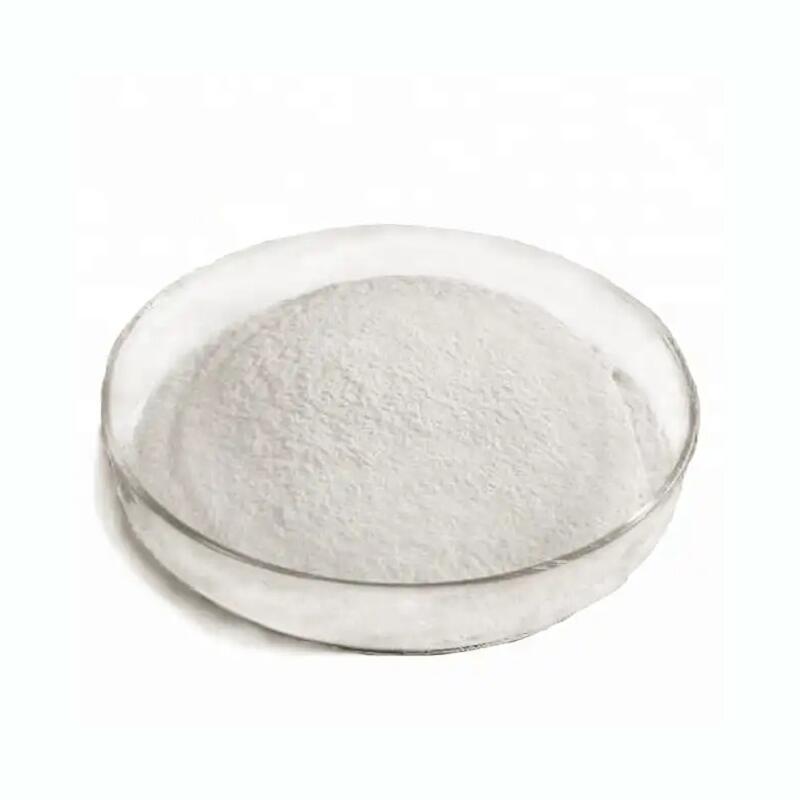
Best Selling Tosyl chloride  CAS NO (98-59-9) 99% White Powder buy - large image1
Best Selling Tosyl chloride  CAS NO (98-59-9) 99% White Powder buy - image1
Best Selling Tosyl chloride  CAS NO (98-59-9) 99% White Powder buy - image2
Best Selling Tosyl chloride  CAS NO (98-59-9) 99% White Powder buy - image3
Best Selling Tosyl chloride  CAS NO (98-59-9) 99% White Powder buy - image4
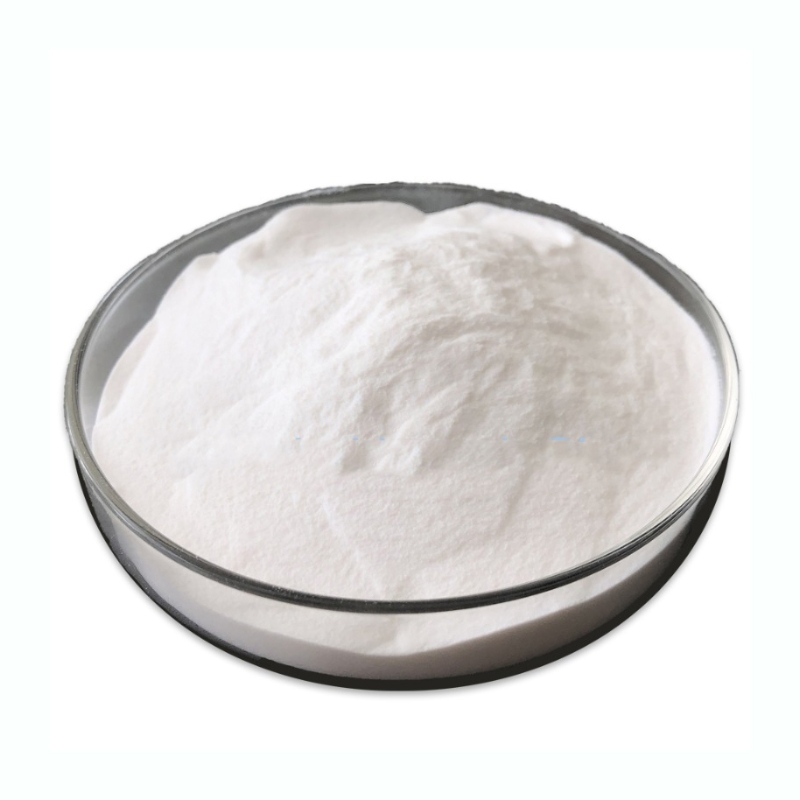
Best Selling Tosyl chloride  CAS NO (98-59-9) 99% White Powder buy - image5
Best Selling Tosyl chloride  CAS NO (98-59-9) 99% White Powder buy - image6

Best Selling Tosyl chloride CAS NO (98-59-9) 99% White Powder

10 Inquiries

Unit Price: Get Latest Price
CAS No.:

98-59-9

Grade:

Industrial Grade

Content:

99%

Port:

Durban

Brand:

Custom

Packaging:

As per customer requirement

Price valid (until):

2024-06-01
Company Type:
Distributor
Location:
South Africa
Qualification:
Main Products:

Sodium Lauryl Ether Sulfate,Caustic Soda,Soda Ash,Citric Acid,Calcium Hypochlorite,Oxalic Acid

  • Product Description

  • Seller Information

  • Inquiry History

  • Description


      Product Detail  


                                                                                      1. 1. Introduction to Tosyl Chloride (CAS number 98-59-9): Tosyl chloride, also known as p-toluenesulfonyl chloride, is an organic compound with the chemical formula C7H7ClO2S. With the CAS number 98-59-9, it serves as a versatile reagent in organic synthesis, finding applications in pharmaceuticals, agrochemicals, and specialty chemicals.

                                                                                        2. Chemical Structure and Composition: At its molecular level, tosyl chloride consists of a toluene ring substituted with a sulfonyl chloride functional group (-SO2Cl) at the para position. This structural arrangement imparts unique reactivity and properties to the compound, making it valuable in various chemical transformations.

                                                                                        3. Synthesis and Production: Tosyl chloride can be synthesized through the reaction of toluene with chlorosulfonic acid or sulfur trioxide. Industrial-scale production methods emphasize efficiency, yield, and purity to meet the demands of diverse applications in organic synthesis.

                                                                                        4. Functional Group Protection and Activation: Tosyl chloride serves as a versatile reagent for the protection and activation of functional groups in organic molecules. It reacts with alcohols, amines, and other nucleophiles to form tosylates, which are useful protecting groups in organic synthesis.

                                                                                        5. Nucleophilic Substitution Reactions: Tosyl chloride participates in nucleophilic substitution reactions, particularly with nucleophiles such as amines and alcohols. These reactions yield sulfonamide and sulfonate derivatives, which find applications as intermediates in pharmaceutical and agrochemical synthesis.

                                                                                        6. Peptide and Protein Chemistry: Tosyl chloride is utilized in peptide and protein chemistry for the selective modification of amino acid side chains. It reacts with amino groups to form tosylamides, enabling site-specific labeling, cross-linking, and protection of peptide sequences in biochemical research and drug discovery.

                                                                                        7. Polymerization and Polymer Modification: Tosyl chloride derivatives are employed in polymerization and polymer modification processes to introduce functional groups onto polymer chains. They serve as reactive intermediates for grafting, cross-linking, and surface modification of polymers, enhancing their properties and performance in various applications.

                                                                                        8. Pharmaceutical and Agrochemical Synthesis: Tosyl chloride and its derivatives serve as key intermediates in the synthesis of pharmaceuticals, agrochemicals, and specialty chemicals. They may serve as building blocks for the construction of drug scaffolds, functional groups, or pharmacophores with specific biological activities.

                                                                                        9. Safety Considerations and Handling Precautions: While tosyl chloride is widely used in organic synthesis, it is important to handle it with care due to its corrosive and irritant properties. Proper safety protocols, including the use of personal protective equipment and ventilation, should be observed to minimize exposure and prevent adverse health effects.

                                                                                        10. Environmental Impact and Regulations: Tosyl chloride derivatives may pose environmental risks if released into water bodies or soil due to their persistence and potential toxicity to aquatic organisms. Regulatory agencies impose limits on their use and discharge, requiring proper handling, storage, and disposal practices to minimize environmental contamination.


      Specifications  


    Items Specifications
    Chemical Formula C7H7ClO2S
    CAS Number 98-59-9
    Molecular Weight 190.65 g/mol
    Appearance Colorless to pale yellow liquid
    Odor Pungent, irritating
    Density 1.289 g/cm3 at 20°C
    Melting Point 65-69 °C
    Boiling Point 134-136 °C
    Solubility Decomposes in water, soluble in organic solvents
    Vapor Pressure 2.1 mmHg at 20°C
    Flash Point 90 °C (closed cup)
    Autoignition Temperature Not available
    pH Not applicable
    Refractive Index 1.563 at 20°C
    Hazard Class Corrosive, Harmful if swallowed, Irritant


      Product Pictures


    Shop Tosyl chloride  CAS NO (98-59-9) 99% White Powder-Detailed Image 1Shop Tosyl chloride  CAS NO (98-59-9) 99% White Powder-Detailed Image 2Shop Tosyl chloride  CAS NO (98-59-9) 99% White Powder-Detailed Image 3Shop Tosyl chloride  CAS NO (98-59-9) 99% White Powder-Detailed Image 4Shop Tosyl chloride  CAS NO (98-59-9) 99% White Powder-Detailed Image 5Shop Tosyl chloride  CAS NO (98-59-9) 99% White Powder-Detailed Image 6

    Basic Info
    Product Name:

    Tosyl chloride

    Other Name:

    Benzenesulfonyl chloride,4-methyl-;p-Toluenesulfonyl chloride;4-Methylbenzenesulfonyl chloride;p-Methylbenzenesulfonyl chloride;Tosyl chloride;p-Toluenesulfochloride;p-Tosyl chloride;p-Tolylsulfonyl chloride;4-Toluenesulfonyl chloride;Toluenesulfonyl chloride;p-Toluenesulfonic acid chloride;p-Methylphenylsulfonyl chloride;4-Tosyl chloride;p-Toluenesulfonic chloride;4-Methylphenylsulfonyl chloride;NSC 175822;4-Toluolsulfonyl chloride;4-Methylbenzene-1-sulfonyl chloride;4-Methylbenzenesulphonyl chloride

    CAS No.:

    98-59-9

    UN No.:

    3261

    Molecular Formula:

    C7H7ClO2S

    InChIKeys:

    InChIKey=YYROPELSRYBVMQ-UHFFFAOYSA-N

    Molecular Weight:

    190.64700

    Exact Mass:

    190.65

    EC Number:

    202-684-8

    UNII:

    027KYN78B4

    ICSC Number:

    1762

    NSC Number:

    175822

    UN Number:

    1759

    DSSTox ID:

    DTXSID1052660

    Color/Form:

    CRYSTALS|TRICLINIC CRYSTALS FROM ETHER OR PETROLEUM ETHER

    HScode:

    29049020

    Characteristics
    PSA:

    42.52000

    XLogP3:

    3.00330

    Appearance:

    P-toluene sulfonylchloride appears as a white to gray powdered solid with a distinctive odor. Insoluble in water and denser than water. Contact may irritate skin, eyes and mucous membranes. May be toxic by ingestion, inhalation and skin absorption. Used to make other chemicals.

    Density:

    1.006 g/cm3

    Melting Point:

    69-71 °C

    Boiling Point:

    146 °C @ Press: 15 Torr

    Flash Point:

    128ºC

    Refractive Index:

    1.545

    Water Solubility:

    hydrolyses

    Storage Conditions:

    Store at RT.

    Vapor Pressure:

    1 mm Hg ( 88 °C)

    Vapor Density:

    Relative vapour density (air = 1): 6.6

    Toxicity:

    LD50 orally in Rabbit: 4680 mg/kg

    Air and Water Reactions:

    Insoluble in water.

    Reactive Group:

    Acyl Halides, Sulfonyl Halides, and Chloroformates

    Autoignition Temperature:

    492 °C

    Hazard Identification

    Classification of the substance or mixture

    Corrosive to metals, Category 1

    Skin irritation, Category 2

    Skin sensitization, Sub-category 1A

    Serious eye damage, Category 1

    GHS label elements, including precautionary statements

    Pictogram(s)
    Signal word

    Danger

    Hazard statement(s)

    H290 May be corrosive to metals

    H315 Causes skin irritation

    H317 May cause an allergic skin reaction

    H318 Causes serious eye damage

    Precautionary statement(s)
    Prevention

    P234 Keep only in original packaging.

    P264 Wash ... thoroughly after handling.

    P280 Wear protective gloves/protective clothing/eye protection/face protection/hearing protection/...

    P261 Avoid breathing dust/fume/gas/mist/vapours/spray.

    P272 Contaminated work clothing should not be allowed out of the workplace.

    Response

    P390 Absorb spillage to prevent material damage.

    P302+P352 IF ON SKIN: Wash with plenty of water/...

    P321 Specific treatment (see ... on this label).

    P332+P317 If skin irritation occurs: Get medical help.

    P362+P364 Take off contaminated clothing and wash it before reuse.

    P333+P317 If skin irritation or rash occurs: Get medical help.

    P305+P354+P338 IF IN EYES: Immediately rinse with water for several minutes. Remove contact lenses, if present and easy to do. Continue rinsing.

    P317 Get medical help.

    Storage

    P406 Store in a corrosion resistant/...container with a resistant inner liner.

    Disposal

    P501 Dispose of contents/container to an appropriate treatment and disposal facility in accordance with applicable laws and regulations, and product characteristics at time of disposal.

    Other hazards which do not result in classification

    no data available

    Handling and Storage

    Precautions for safe handling

    NO open flames. Handling in a well ventilated place. Wear suitable protective clothing. Avoid contact with skin and eyes. Avoid formation of dust and aerosols. Use non-sparking tools. Prevent fire caused by electrostatic discharge steam.

    Conditions for safe storage, including any incompatibilities

    Dry. Well closed. Store in an area without drain or sewer access.

  • Seller Information
    Business Type:

    Distributor

    Main Products:

    Sodium Lauryl Ether Sulfate,Caustic Soda,Soda Ash,Citric Acid,Calcium Hypochlorite,Oxalic Acid

    Location:

    13 PROTEA PARK MILKWOOD STREET RANGEVIEW GAUTENG 1739

    Payment Terms:

    TT against copy of documents,TT against B/L draft before shipment

    Average lead Time:

    60

    Total Annual Revenue:

    $1 million-$2.5 million

    Total Employees:

    11-50

    Year of Establishment:

    2012

  • Inquiry History
    10 Inquiries
    Country Product Purchase Quantity Date Posted
    India

    Para Toluene Sulphonyl Chloride

    2500 KG Feb 2, 2026
    India

    p-Toluenesulfonyl chloride

    500 KG Jun 3, 2025
    India

    p-Toluenesulfonyl chloride

    1000 KG May 30, 2025
    United Kingdom

    4-Toluenesulfonyl chloride

    1000 MT Sep 30, 2025
    Saudi Arabia

    Para-Toluene Sulphonyl Chloride (PTSCL)

    115 KG Apr 11, 2025
    India

    Diisopropylamine

    500 KG May 30, 2025
    India

    Methyl-2-amino-5-chlorobenzoate

    50 KG Jun 3, 2025
    India

    1-Bromo-3,5-dimethoxybenzene

    50 KG Jun 3, 2025
    India

    1-Bromo-3,5-dimethoxybenzene

    500 KG May 30, 2025
    India

    Methyl-2-amino-5-chlorobenzoate

    5000 KG May 30, 2025
    Post an enquiry for this product
pic ×

Scan the QR Code to Share

All products displayed on this website are only for non-medical purposes such as industrial applications or scientific research, and cannot be used for clinical diagnosis or treatment of humans or animals. They are not medicinal or edible.

According to relevant laws and regulations and the regulations of this website, units or individuals who purchase hazardous materials should obtain valid qualifications and qualification conditions.

The information shown above is provided by the enterprise itself, and the authenticity, accuracy and legitimacy of the content are the responsibility of the publishing company. ECHEMI does not bear any guarantee responsibility for this. Please be aware that risks in internet transactions objectively exist.

Feedback & Suggestions
Send Message

Thank you for your feedback. If you require further assistance, please contact us by email at info@echemi.com or call us at +86-532-55729510.