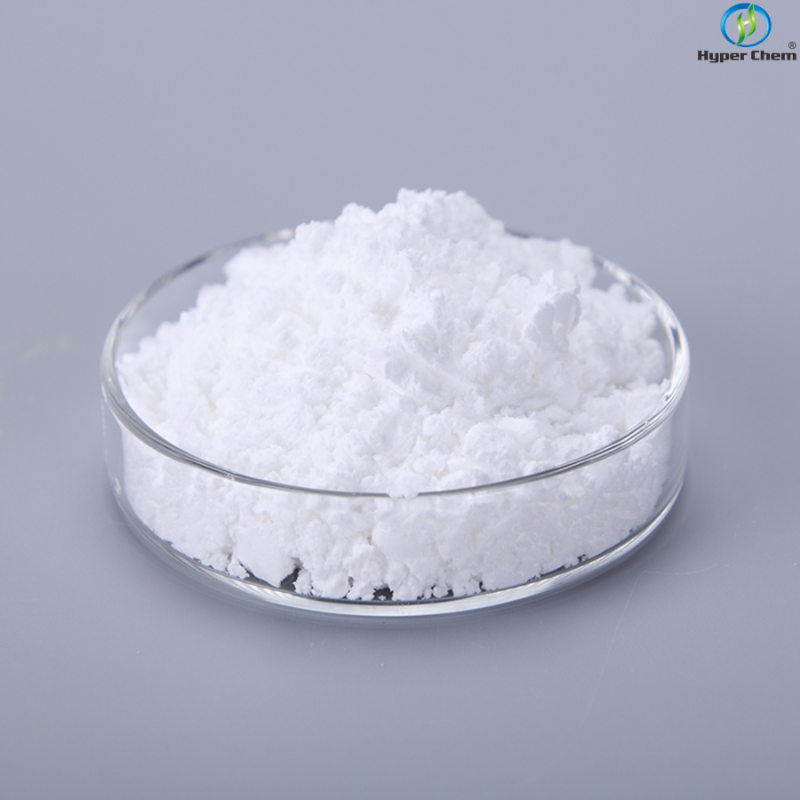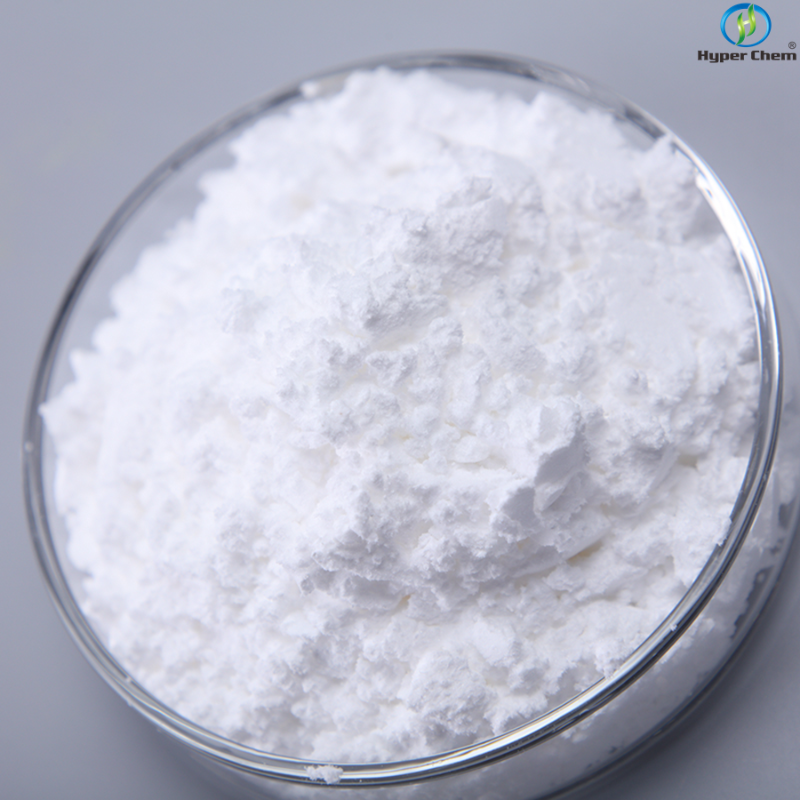


High Quality Nimesulide CAS 51803-78-2 Powder Fast Shipping Good Price
2 Inquiries
51803-78-2
Pharmaceutical Grade
99.5%
Hangzhou
HyperChem
1kg/Bag
2025-05-24
Pharmaceuticals,Peptide,Cosmetics,Nutritional Supplements
-
Product Description
-
Seller Information
-
Inquiry History
-
DescriptionECHEMI Editorial ReferenceNimesulide is a selective COX-2 inhibitor, with IC50s of 70 nM-70 μM in a time-dependent manner, but it shows no effect on COX-1 (IC50 >100 μM). Nimesulide has potent anti-inflammatory, analgesic and antipyretic properties.
Nimesulide is a relatively COX-2 selective, non-steroidal anti-inflammatory drug (NSAID) with analgesic and antipyretic properties. It is indicated for the treatment of acute pain, symptomatic treatment of osteoarthritis and primary dysmenorrhoea in adolescents and adults. However, due to the risk of causing hepatotoxicity, it should not be taken long-term. It has also been withdrawn from the markets in many countries. It mechanism of action is through targeting on various key mediators in the inflammatory process such as COX-2 mediated prostaglandins, free radicals, proteolytic enzymes and histamine.
Nimesulide is a non-steroidal anti-inflammatory drug (NSAID) and COX-2 inhibitor (IC50s = 1.27 and 0.03 μM for the human and ovine enzymes, respectively). It is selective for COX-2 over COX-1 (IC50s = 70 and 22 μM for the human and ovine enzymes, respectively). Nimesulide also inhibits sodium-dependent neutral amino acid transporter (B0AT1) with an IC50value of 23 μM for the rat kidney transporter. It inhibits infection-induced increases in brain prostaglandin E2(PGE2; ) levels, as well as reduces pyresis (ED50= 0.3 mg/kg), in yeast-infected rats. Nimesulide (2.9 mg/kg) inhibits formalin-induced hindpaw thermal hyperalgesia in rats.
Yellow Needle-Like Crystals
ChEBI: Nimesulide is an aromatic ether having phenyl and 2-methylsulfonamido-5-nitrophenyl as the two aryl groups. It has a role as a cyclooxygenase 2 inhibitor and a non-steroidal anti-inflammatory drug. It is a C-nitro compound, a sulfonamide and an aromatic ether. It is functionally related to a nitrobenzene.Basic Info-
Product Name:
Nimesulide
Other Name:nimed;4-NITRO-2-PHENOXYMETHANE SULPHONANILIDE;CETIRIZINE DIHYDROCHLORIDE EPC(CRM STANDARD);CETIRIZINE DIHYDROCHLORIDE IMP. E (EP):(RS)-2-[2-[2-[4-[(4-CHLOROPHENYL)-PHENYLMETHYL]PIPERAZIN-1-YL]ETHOXY]ETHOXY]ACETIC ACID MM(CRM STANDARD);CETIRIZINE DIHYDROCHLORIDE MM(CRM STANDARD);4-Nitro-2-phenoxymethanesulfonamide;Nide;Nidol
CAS No.:51803-78-2
Molecular Formula:C13H12N2O5S
InChIKeys:HYWYRSMBCFDLJT-UHFFFAOYSA-N
Molecular Weight:308.31
Exact Mass:308.31
EC Number:257-431-4
Color/Form:Light orange to Yellow to Green
HScode:2935.90.9500
Categories:
Characteristics-
λmax:
391nm(H2O)(lit.)
PSA:110
XLogP3:2.6
Appearance:Yellow Needle-Like Crystals
Density:1.451±0.06 g/cm3(Predicted)
Melting Point:140-146°C
Boiling Point:442.0±55.0 °C(Predicted)
Flash Point:221.1±31.5 °C
Refractive Index:1.638
Water Solubility:Soluble in water (<50 µg/ml), 1:10 DMSO:PBS (pH 7.2) (<200 µg/ml), ethanol (1 mg/ml), DMSO (15 mg/ml), DMF (15 mg/ml), chloroform, dichloromethane, acetone (freely soluble), and 1N NaOH.
Storage Conditions:2-8°C
Toxicity:LD50 orally in rats: 324 mg/kg (Swingle, Moore)
PKA:pKa 6.56± 0.03(H2O,t =25,I=0.02)(Approximate)
Critical Temperature & Pressure:2-8°C
Hazard IdentificationClassification of the substance or mixture
Acute toxicity - Category 3, Oral
GHS label elements, including precautionary statements
Pictogram(s) 
Signal word Danger
Hazard statement(s) H301 Toxic if swallowed
Precautionary statement(s) Prevention P264 Wash ... thoroughly after handling.
P270 Do not eat, drink or smoke when using this product.
Response P301+P316 IF SWALLOWED: Get emergency medical help immediately.
P321 Specific treatment (see ... on this label).
P330 Rinse mouth.
Storage P405 Store locked up.
Disposal P501 Dispose of contents/container to an appropriate treatment and disposal facility in accordance with applicable laws and regulations, and product characteristics at time of disposal.
Other hazards which do not result in classification
no data available
Handling and StoragePrecautions for safe handling
Handling in a well ventilated place. Wear suitable protective clothing. Avoid contact with skin and eyes. Avoid formation of dust and aerosols. Use non-sparking tools. Prevent fire caused by electrostatic discharge steam.
Conditions for safe storage, including any incompatibilities
Store the container tightly closed in a dry, cool and well-ventilated place. Store apart from foodstuff containers or incompatible materials.
-
-
Seller Information
-
Business Type:
Trader
-
Main Products:
Pharmaceuticals,Peptide,Cosmetics,Nutritional Supplements
-
Location:
Rm. 803, Tower 4, LOFT49 Creative City Pioneer Zone, No.88 Jiru Rd. Gongshu Dist., Hangzhou, 310015 ZJ, China
-
Payment Terms:
TT against copy of documents,D/P,L/C,D/A,O/A,TT against B/L draft before shipment,100% TT in advance
-
Average lead Time:
10 days
-
Total Annual Revenue:
$5 million-$10 million
-
Total Employees:
11-50
-
Year of Establishment:
2013
Company Certificates-
 Certification Report by Bureau Veritas
-
-
Inquiry History2 Inquiries
Country Product Purchase Quantity Date Posted  Kazakstan
Nimesulide
20 MT Jan 14, 2025  India
India
Nimesulide powder BP grade
50.00 KG Mar 11, 2024 Post an enquiry for this product


More from this Seller
-
-

-
High Purity GHK-Cu Blue Powder Copper Peptide CAS 49557-75-7/89030-95-5
Cosmetics Grade / 99%
-
-
-

-
Anticancer API 99% TYRA-300/TYRA 300/Dabogratinib CAS:2800223-30-5 for R&D
Pharmaceutical Grade / 99.9%
$1500-1800/G FOB
-
-
-
 CAS 42571-07-3 | Anti-Inflammatory Metabolic Modulator for R&D")
-
Manufacturer Direct Supply High Purity SANA (MVD1) CAS 42571-07-3 | Anti-Inflammatory Metabolic Modulator for R&D
Pharmaceutical Grade / 99%
$5-6/MT FOB
-
-
-

-
API Xanthohumol
Fertilizer grade / 99%
-
-
-

-
High Quality Pemafibrate CAS 848259-27-8 Powder Fast Shipping Good Price
Pharmaceutical Grade / 99.5%
-