Name | Empagliflozin |
CAS number | 864070-44-0 |
EINECS number | 620-176-8 |
Synonym | BI10773; BI-10773; BI 10773; CE0108; CS0940; PB23119; VA10802; AJ93046; Empagliflozin; Jardiance; |
Description | Empagliflozin is an inhibitor of the sodium glucose co-transporter-2 (SGLT-2), and causes sugar in the blood to be absorbed by the kidneys and eliminated in urine. Empagliflozin is an inhibitor of the sodium glucose co-transporter-2 (SGLT-2), which is found almost exclusively in the proximal tubules of nephronic components in the kidneys. |
Structure | |
Molecular Formula | C23H27ClO7 |
Molecular Weight | 450.91 g/mol |
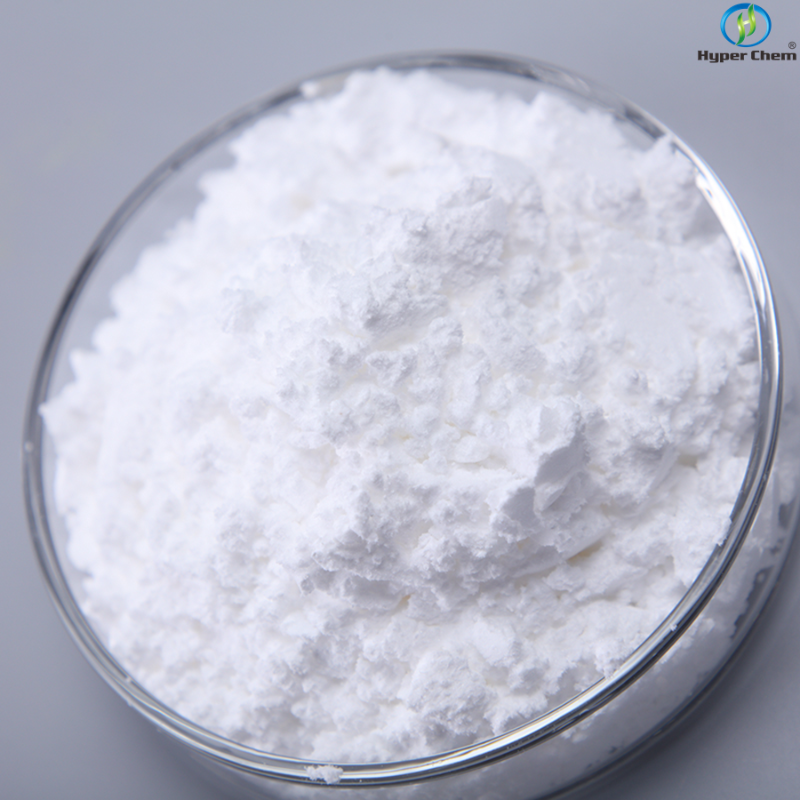
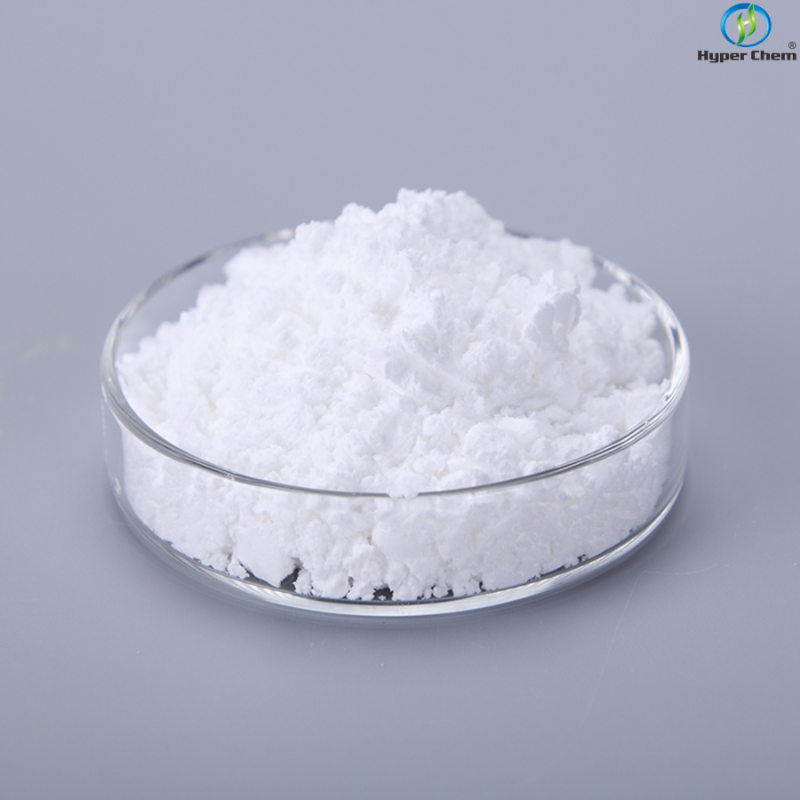
Appearance | Solid powder |
Quality Standard | USP Standard |
Assay | ≥98% |
Shipping Condition | Shipped under ambient temperature as non-hazardous chemical. This product is stable enough for a few weeks during ordinary shipping and time spent in Customs. |
Storage Condition | Store in cool place. Keep container tightly closed in a dry and well ventilated place. |
Shelf Life | >2 years if stored properly |
Sample package | Aluminium foil bag |
Commercial package | Aluminium Tin, Fiber drum |
Origin | China |
Empagliflozin is an oral antidiabetic medication belonging to the class of sodium-glucose co-transporter 2 (SGLT2) inhibitors, primarily used to improve glycemic control in type 2 diabetes mellitus (T2DM) and to reduce cardiovascular and renal complications associated with diabetes.
Mechanism of Action
Empagliflozin selectively and reversibly inhibits SGLT2, a transporter located mainly in the proximal renal tubules responsible for approximately 90% of glucose reabsorption from the glomerular filtrate back into the bloodstream. By blocking SGLT2, empagliflozin reduces renal glucose reabsorption, leading to increased urinary glucose excretion and thereby lowering blood glucose levels independently of insulin.
Empagliflozin has the highest selectivity for SGLT2 over other SGLT isoforms (SGLT1, SGLT4, SGLT5, SGLT6), minimizing off-target effects.
Beyond glycemic control, empagliflozin reduces cardiovascular mortality and hospitalization for heart failure in patients with T2DM and established cardiovascular disease, and it slows progression of chronic kidney disease by mechanisms that include reduction of intraglomerular pressure and improvement of renal hemodynamics.
Applications
Type 2 Diabetes Mellitus: Used as an adjunct to diet and exercise to improve glycemic control in adults and children aged 10 years and older, either as monotherapy or in combination with other antidiabetic agents such as metformin or linagliptin.
Cardiovascular Disease: Reduces the risk of cardiovascular death and hospitalization for heart failure in adults with T2DM and established cardiovascular disease.
Heart Failure: Approved for treatment of symptomatic chronic heart failure irrespective of diabetes status.
Chronic Kidney Disease: Indicated to reduce the risk of sustained decline in estimated glomerular filtration rate (eGFR), end-stage kidney disease, cardiovascular death, and hospitalization in adults with chronic kidney disease at risk of progression.
Not Approved: For type 1 diabetes or diabetic ketoacidosis treatment due to risk of ketoacidosis.
Routes of Administration
Oral: Empagliflozin is administered orally as tablets, typically once daily. Tablets can be taken with or without food.
Pharmacokinetics
Absorption: Rapidly absorbed with peak plasma concentrations (T_max) reached approximately 1.5 hours after oral administration. Food intake does not significantly affect absorption.
Bioavailability: High oral bioavailability.
Distribution: Apparent volume of distribution is approximately 74 liters. Plasma protein binding is about 86%.
Metabolism: Undergoes minimal metabolism, primarily via glucuronidation by UDP-glucuronosyltransferases (UGT2B7, UGT1A3, UGT1A8, UGT1A9), producing inactive glucuronide metabolites, none exceeding 10% of total drug-related material.
Elimination: Excreted mainly via urine (approximately 18% as unchanged drug) and feces. Half-life supports once-daily dosing.
Pharmacokinetics in Special Populations: No clinically significant changes in pharmacokinetics observed in patients with mild to moderate renal or hepatic impairment.
Safety and Side Effects
Common Side Effects:
Increased urination (polyuria), including nocturia.
Thirst.
Genitourinary infections: urinary tract infections, female genital mycotic infections (e.g., vulvovaginal candidiasis), and less commonly male genital infections.
Serious Side Effects:
Ketoacidosis, including euglycemic diabetic ketoacidosis, especially in patients with type 1 diabetes or those with precipitating factors.
Fournier’s gangrene (necrotizing fasciitis of the perineum), a rare but serious infection.
Hypotension due to volume depletion.
Acute kidney injury (rare).
Allergic reactions including rash, angioedema, and anaphylaxis.
Hypoglycemia: Risk is low when used alone but increases when combined with insulin or insulin secretagogues.
Precautions:
Not recommended for patients with type 1 diabetes.
Use cautiously in patients with impaired renal function.
Monitor for signs of urinary tract infections and genital infections.
Adjust doses of insulin or sulfonylureas to reduce hypoglycemia risk when used in combination.
Q1. Can I get a free sample?
We can send you a samll free sample, and you only need to pay for the shipping cost.
Q2. What is the HyperChem payment term?
T/T in advance
LC at sight
DP at sight
Bank transfer
PayPal
Bitcoin...
Q3. What is HyperChem shipment policy?
Our policy is to strive for the quickest shipment time possible.
For ready stock samples, they are usually shipped within 3 working days after payment received.
For non-ready stock, please contact HyperChem sales team to negotiate.
Q4. What is HyperChem shipment term?
By Express
FedEx UPS DHL EMS
Fast: 3-7 days around, high cost, door to door service
By Air
Suitable for more than 50kg
Fast: 3-7 days, hight cost, port to port, professional broker needed
By Sea
Suitable for more than 500kg
Fast: 7-45 days, low cost, port to port, professional broker needed
We will always attempt to utilize the quickest and most affordable way for customers to receive orders. And follow -up with customers via email for all shipment details as well as updated track information until it arrives without damage.
Q5. What HyperChem will provide after shipment?
For sample orders:
After shipment is done, an timely email including:
1. Track details (Fedex /TNT/DHL/EMS Track number)
2. Packaging photo
3. COA, MSDS, etc
4. Dispatch date & Estimated arriving time
5. Shipping invoice
For commercial orders
A full set of shipment documents as well as package photos can be provided in scan-copy and original, to help customers complete the customs clearance process.
Established in 2013, Hyper Chem has exclusive tie-ups with leading manufacturers, supplying raw materials produced in GMP and ISO 9002 certified facilities, and provides high-quality ingredients and raw materials to cater to the requirements of our diverse range of clients.
Among them, our key client industrial sectors around the global are:
Pharmaceuticals
Nutrition Ingredients/ Dietary supplements
Cosmetic Ingredients
Food Ingredients
Veterinary API
Agriculture fertilizer
Custom Synthesis lab supply
HyperChem provides to its wonderful and honorable clients comprehensive purchasing and distribution services which ensure that we are delivering the right generic, raw, or customized product, make sure that we are delivering it at the right time, ensure that it is delivered in the specified amount, and in the right kind of packaging to clients and customers of all types of industries irrespective of their size of operation.