1. Description
Chemical properties: 5-aminolevulinic acid phosphate is an amino acid derivative phosphate, with a molecular structure consisting of an amino group (- NH ₂), a ketone group (- CO -), and a phosphate group (- PO ₄³ ⁻). The core parent nucleus is 5-aminolevulinic acid. Phosphates bind to the parent nucleus through ester bonds, significantly enhancing molecular polarity and stability, avoiding the problems of easy degradation and oxidation of free ALA, and maintaining chemical stability in neutral to weakly acidic environments. Hydrolysis may occur under high temperature or strong alkaline conditions.
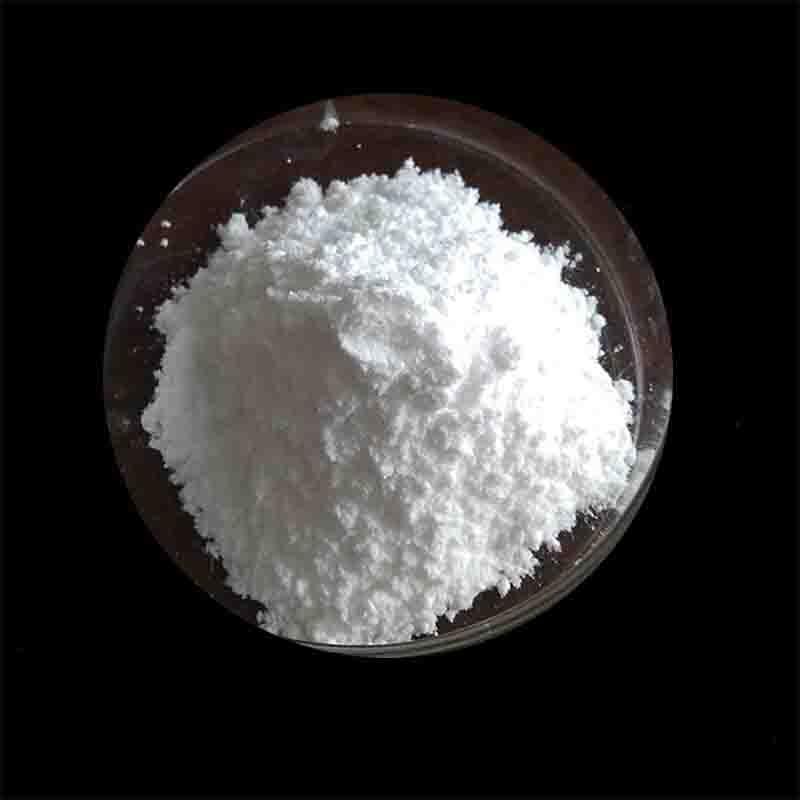
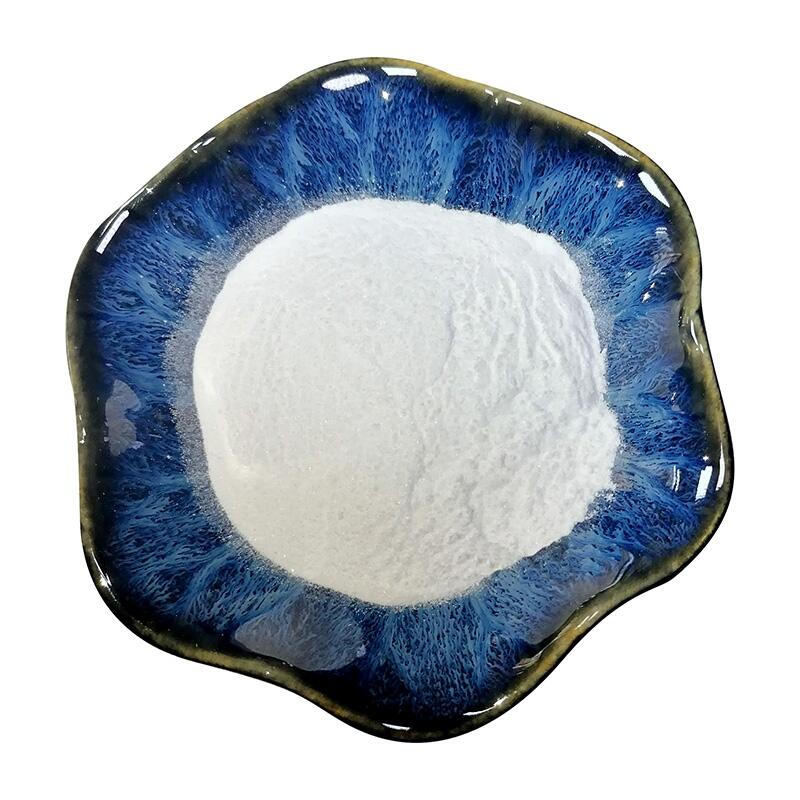
Physical properties: 5-aminolevulinic acid phosphate is a white to off white crystalline powder at room temperature, with no obvious odor and excellent water solubility. It can quickly dissolve in aqueous systems such as pure water and physiological saline, as well as polar organic solvents such as methanol and ethanol. It is insoluble in non-polar solvents such as ether and petroleum ether. Its aqueous solution is weakly acidic and has good compatibility with most bioactive substances and excipients, making it easy for formulation development.
Source and preparation: 5-aminolevulinic acid phosphate naturally exists in the human body, animals, and plants, and is a key precursor for the biosynthesis of porphyrins such as hemoglobin and chlorophyll. In industry, it is mainly prepared by chemical synthesis, refined from inexpensive raw materials through amination, acylation, and phosphoesterification reactions; It can also be produced through microbial fermentation, which has high purity and good biocompatibility, making it more suitable for high-end demands in the fields of medicine and cosmetics.
2. Application
In the pharmaceutical field (photodynamic therapy), 5-aminolevulinic acid phosphate is used as the core photosensitizer precursor for photodynamic therapy (PDT) to treat skin cancer (such as basal cell carcinoma, squamous cell carcinoma), genital warts, acne and other diseases. In clinical practice, drugs are converted into photosensitive porphyrins (such as protoporphyrin IX) in diseased cells through local application or oral administration. After exposure to specific wavelengths of light, reactive oxygen species are produced, selectively killing diseased cells with minimal damage to normal tissues.
Cosmetics: 5-aminolevulinic acid phosphate is used in acne removing skin care products (such as essence liquid and gel), whitening and anti-aging products based on photosensitivity and metabolic regulation. Under low-dose and specific lighting conditions, it can inhibit the proliferation of Propionibacterium acnes and regulate sebaceous gland secretion; At the same time, it can promote skin cell metabolism, accelerate the renewal of the stratum corneum, improve skin dullness and fine lines, and be suitable for oily skin, acne prone skin, and mature skin.
In the agricultural field, 5-aminolevulinic acid phosphate is used as a plant growth regulator and stress inducer for crop cultivation (such as vegetables, fruits, and flowers). By foliar spraying or seed soaking, plant chlorophyll synthesis can be promoted and photosynthetic efficiency can be improved; Simultaneously inducing plants to produce phytohormones and antioxidant enzymes, enhancing crop tolerance to pests, diseases, drought, low temperatures, and other stresses, and improving yield and quality
3. Main Efficacy
Photodynamic therapy efficacy: 5-aminolevulinic acid phosphate enters the body and is converted into protoporphyrin IX (PpIX) by enzymatic action such as ALA dehydratase. PpIX is specifically enriched in diseased cells. After being irradiated with light with a wavelength of 400-650nm, it transitions from the ground state to the excited state and reacts with surrounding oxygen to generate reactive oxygen species such as singlet oxygen (¹ O ₂), which oxidizes and damages the cell membrane, proteins, and DNA of diseased cells, ultimately leading to cell apoptosis or necrosis, achieving targeted therapeutic effects.
Skin conditioning and acne removing effects: When 5-aminolevulinic acid phosphate is applied locally on the skin, on the one hand, the converted PpIX has phototoxicity to Propionibacterium acnes, which can directly kill bacteria and reduce the source of inflammation after exposure to light; On the other hand, it can regulate the lipid synthesis of sebaceous gland cells, inhibit excessive sebum secretion, promote normal differentiation of keratinocytes, unblock hair follicle sebaceous gland ducts, improve pore blockage, and reduce the formation of acne and inflammatory acne.
Plant growth promotion and stress resistance effects: 5-aminolevulinic acid phosphate, as a key precursor for chlorophyll synthesis, can accelerate the porphyrin metabolism pathway in plants, increase chlorophyll a and b content, enhance photosystem II activity, and improve photosynthetic rate and accumulation of photosynthetic products; Simultaneously activating the plant's antioxidant system (such as increasing SOD and POD enzyme activity), clearing excess reactive oxygen species produced under stress, protecting cell membrane structure, enhancing crop stress resistance, and promoting root development and nutrient absorption.










 Thailand
 India
India