Product
Supplier
Encyclopedia
Inquiry
Bromoethane CAS:74-96-4 buy - large image1
Bromoethane CAS:74-96-4 buy - image1
Bromoethane CAS:74-96-4 buy - image2
Bromoethane CAS:74-96-4 buy - image3
Bromoethane CAS:74-96-4 buy - image4
Bromoethane CAS:74-96-4 buy - image5
Bromoethane CAS:74-96-4 buy - image6

Bromoethane CAS:74-96-4

TDS 1 Inquiries

Unit Price: Get Latest Price
CAS No.:

74-96-4

Grade:

Industrial Grade

Content:

99%

Port:

shanghai

Brand:

Orient

Packaging:

25kg/bag,500kg/bag, customized

Price valid (until):

2025-12-26

Company Type:
Trader
Location:
China
Qualification:
Main Products:

pharmaceutical intermediates,peptides,electronic chemicals

  • Product Description

  • Seller Information

  • Inquiry History

  • Description
    Bromoethane Basic information
    Product Name: Bromoethane
    Synonyms: 1-Bromethan;Bromethan;JACS-74-96-4;SINOBIO;ETHYL BROMIDE extrapure;Bromoethane, 98%, pure;Bromoethane, 99+%, extra pure;Bromoethane, extra pure
    CAS: 74-96-4
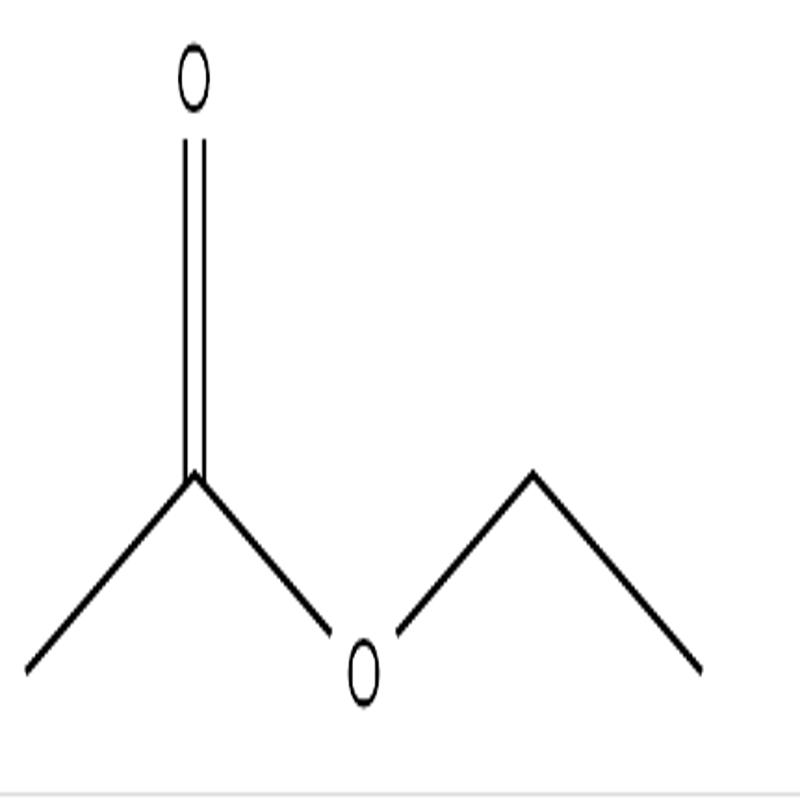
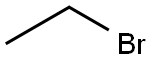
    MF: C2H5Br
    MW: 108.97
    EINECS: 200-825-8
    Product Categories: Pharmaceutical intermediate;Organics;Alkyl Bromides;Monofunctional & alpha,omega-Bifunctional Alkanes;Monofunctional Alkanes;Pharmaceutical Intermediates;Intermediates;74-96-4;K00001
    Mol File: 74-96-4.mol
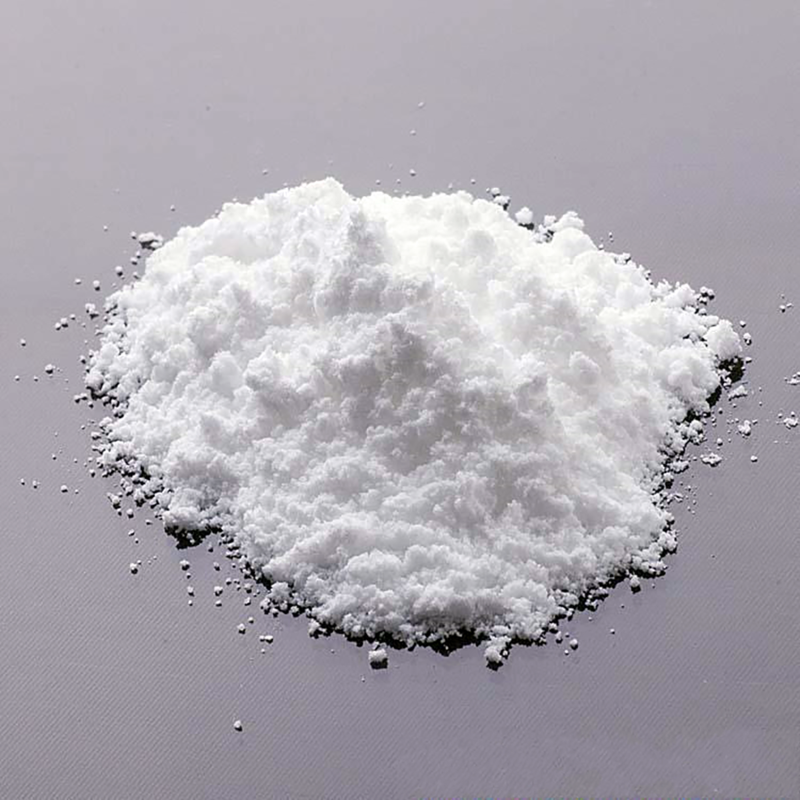
    Shop Bromoethane CAS:74-96-4-Detailed Image 1

    Bromoethane Chemical Properties
    Melting point  -119 °C
    Boiling point  37-40 °C(lit.)
    density  1.46 g/mL at 25 °C(lit.)
    vapor density  ~3.75 (vs air)
    vapor pressure  25.32 psi ( 55 °C)
    refractive index  n20/D 1.425(lit.)
    Fp  -23 °C
    storage temp.  Store below +30°C.
    solubility  Miscible with ethanol, ether, chloroform and organic solvents.
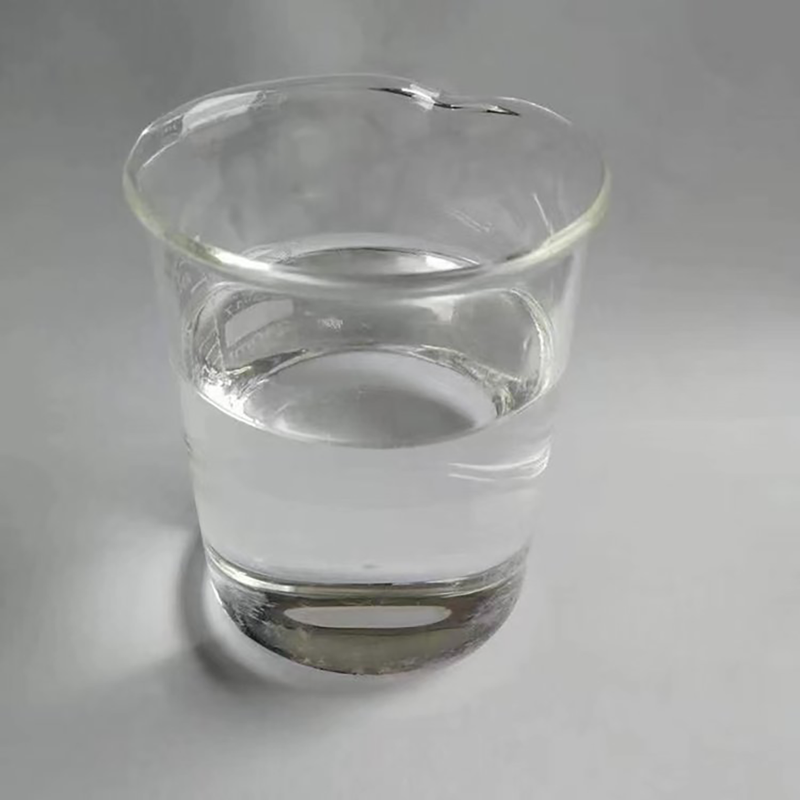
    form  Liquid
    color  Clear colorless to slightly yellow
    explosive limit 6.7-11.3%(V)
    Water Solubility  0.91 g/100 mL (20 ºC)
    Sensitive  Light Sensitive
    Merck  14,3771
    BRN  1209224
    Henry's Law Constant 7.56(x 10-3 atm?m3/mol) at 25 °C (Hine and Mookerjee, 1975)
    Dielectric constant 9.4(20℃)
    Exposure limits TLV-TWA 200 ppm (~90 mg/m3) (ACGIH, MSHA, OSHA, and NIOSH); TLV STEL 250 ppm (~110 mg/m3) (ACGIH); IDLH 3500 ppm (NIOSH).
    Stability: Stable. Highly flammable. Readily forms explosive mixtures with air. Note low flash point. Incompatible with alkali metals, aluminium, magnesium, strong bases, water, strong oxidizing agents. May be light sensitive.
    Surface tension 24.2mN/m at 20°C
    CAS DataBase Reference 74-96-4(CAS DataBase Reference)
    IARC 3 (Vol. 52, 71) 1999
    NIST Chemistry Reference Ethane, bromo-(74-96-4)
    EPA Substance Registry System Bromoethane (74-96-4)

    Safety Information
    Hazard Codes  F,Xn
    Risk Statements  11-20/22-40
    Safety Statements  36/37
    RIDADR  UN 1891 6.1/PG 2
    WGK Germany  1
    RTECS  KH6475000
    8
    Autoignition Temperature 952 °F
    TSCA  Yes
    HS Code  2903 39 19
    HazardClass  6.1
    PackingGroup  II
    Hazardous Substances Data 74-96-4(Hazardous Substances Data)
    Toxicity LC50 rats, mice (ppm): 27000, 16200 (Vernot)
    IDLA 2,000 ppm


    Bromoethane Usage And Synthesis
    Description Ethyl bromide is a colorless to yellow liquid that becomes a gas at temperatures above 101 °F (38 ℃). Ethyl bromide has an etherlike odor and a burning taste. Ethyl bromide is miscible with alcohols, ether, chloroform, and organic solvents; its water solubility is 9000 mg l-1 at 25 ℃. Ethyl bromide’s vapor density relative to air is 3.76.
    Chemical Properties Bromoethane is a colorless, volatile, flammable liquid. When exposed to air and light, it turns yellow. It has an ethereal odor and somewhat burning taste. Bromoethane has a specific gravity of 1.4505 between 4° and 25°C, a boiling point of 38.4°C, a melting point of -119°C, and a vapor pressure of 475 mm mercury at 25°C. It is 0.91% (w/w) soluble in water at 20°C and is miscible with ethanol, ethyl ether, chloroform, and other organic solvents. It has a flash point of -20°C (closed cup). The autoignition temperature is 511°C. The flammable limits in air are between 6.7570 and 11.25%. Although bromoethane is relatively stable, when heated to decomposition it emits highly toxic fumes of bromine and hydrobromide; it can react with oxidizing materials (ITII, 1979; Sittig, 1979; Torkelson and Rowe, 1981; Merck, 1983; Sax, 1984).
    Chemical Properties Ethyl bromide is a colorless liquid (turns yellow on contact with air) with an ethereal odor and a burning taste. A gas above the boiling point.
    Physical properties Clear, colorless to yellow, volatile liquid with an ether-like odor. Odor threshold concentration is 3.1 ppm (quoted, Amoore and Hautala, 1983).
    Uses Ethyl bromide is used as a refrigerant and asan ethylating agent. It was formerly used asa topical anesthetic.
    Uses Bromoethane is an alkylating agent primarily used as a chemical intermediate in organic synthesis, in the manufacture of pharmaceuticals, and for the ethylation of gasoline. To a lesser extent, it has been used as a fruit and grain fumigant, refrigerant, and solvent. Although proposed occasionally as a general anesthetic in the earlier part of this century, it has not been used to any extent for this purpose (Sayers et al., 1929; Abreu et al., 1939; ITII, 1979; Sittig, 1979; Torkelson and Rowe, 1981;Merck, 1983).
    Definition ChEBI: Bromoethane is a bromoalkane that is ethane carrying a bromo substituent. It is an alkylating agent used as a chemical intermediate in various organic syntheses. It has a role as a carcinogenic agent, a solvent, a refrigerant, a local anaesthetic and an alkylating agent. It is a bromoalkane, a bromohydrocarbon and a volatile organic compound.
    Preparation Bromoethane is produced by the reaction of either hydrogen or potassium bromide with cold ethanol or with ethylene and sulfuric acid (Hawley, 1977; Sittig, 1979; Merck, 1983). It is commercially available at greater than 99% purity. Production from two U.S. manufacturers was estimated at 163.5 million pounds in 1986 (CSITC, 1987); no recent import and export information was available in the literature.
    General Description A colorless volatile liquid. Slightly soluble in water and denser than water. Flash point below 0°F. Vapors are heavier than air. Toxic by inhalation. Irritates skin and eyes. Used to make pharmaceuticals and as a solvent.
    Air & Water Reactions Highly flammable. Slightly soluble in water and denser than water. Turns yellow on exposure to air and light.
    Reactivity Profile Bromoethane will react with steam to produce toxic and corrosive fumes. Bromoethane can react vigorously with oxidizers. Bromoethane reacts with strong bases. Bromoethane also reacts with chemically active metals such as sodium, potassium, calcium, powdered aluminum, zinc and magnesium. Bromoethane will attack some forms of plastics, rubber and coatings.
    Hazard Toxic by ingestion, inhalation, and skin absorption; strong irritant. Questionable carcinogen. Flammable, dangerous fire hazard, explosion limits in air 6–11%.
    Health Hazard Ethyl bromide is a depressant of the centralnervous system, causing narcosis. The healthhazard is greater than with ethyl chloride.In addition to the narcotic effects that occurat exposure to high concentrations, othertoxic symptoms include irritation of the eyesand respiratory tract, pulmonary edema, fattydegeneration of the liver and renal tissue, anddamage to the liver, kidney, and intestine. A15-minute exposure to a 15% concentrationof vapor in air was lethal to rats. The oralLD50 value in rats is 1350 mg (NIOSH 1986).
    Fire Hazard HIGHLY FLAMMABLE: Will be easily ignited by heat, sparks or flames. Vapors may form explosive mixtures with air. Vapors may travel to source of ignition and flash back. Most vapors are heavier than air. They will spread along ground and collect in low or confined areas (sewers, basements, tanks). Vapor explosion and poison hazard indoors, outdoors or in sewers. Runoff to sewer may create fire or explosion hazard. Containers may explode when heated. Many liquids are lighter than water.
    Safety Profile Confirmed carcinogen. Moderately toxic by ingestion and intraperitoneal routes. Mddly toxic by inhalation. An eye and skin irritant. Physiologically, it is an anesthetic and narcotic. Its vapors are markedly irritating to the lungs on inhalation for even short periods. It can produce acute congestion and edema. Liver and ludney damage in humans has been reported. It is much less toxic than methyl bromide, but more toxic than ethyl chloride. It is a preparative hazard. Dangerously flammable by heat, open flame (sparks), oxidizers. Moderately explosive when exposed to flame. Reacts with water or steam to produce toxic and corrosive fumes. Vigorous reaction with oxidizing materials. To fight fire, use CO2, dry chemical. Ready decomposes when heated to emit toxic fumes of Br-. See also BROMIDES.
    Potential Exposure This chemical is used as an industrial chemical, pharmaceutical, and veterinary drug; as an ethylating agent in organic synthesis and gasoline; as a refrigerant; and as an extraction solvent. It has limited use as a local anesthetic
    First aid If this chemical gets into the eyes, remove anycontact lenses at once and irrigate immediately for at least15 min, occasionally lifting upper and lower lids. Seek medical attention immediately. If this chemical contactsthe skin, remove contaminated clothing and wash immediately with soap and water. Seek medical attention immediately. If this chemical has been inhaled, remove fromexposure, begin rescue breathing (using universal precautions, including resuscitation mask) if breathing hasstopped and CPR if heart action has stopped. Transferpromptly to a medical facility. When this chemical hasbeen swallowed, get medical attention. Give large quantities of water and induce vomiting. Do not make an unconscious person vomit
    Carcinogenicity This chemical is considered to be an animal carcinogen with unknown relevance to humans. There is no EPA (IRIS) file.
    In the lifetime carcinogenic/toxicology study, groups of rats and mice were exposed 6 h/day, 5 days/week for 104 weeks to 0, 100, 200, or 400 ppm by inhalation. Survival of rats was unaffected or in the case of the 100 ppm female rats was significantly above the control group. Body weights were also unaffected.
    Likewise survival of mice was little affected by exposure except for a decrease in survival at 400 ppm in female mice, which also had body weights 6–16% lower than controls after 29 weeks. No clinical signs were apparent in any group, but at autopsy there was evidence of respiratory irritation at 400 ppm. It was concluded that there was clear evidence of an increase in neoplasms (endometrial adenomas,adenocarcinomas, and squamous cell carcinomas) in the uteri of female mice. The tumors contributed to the decreased survival of the female mice exposed to 400 ppm. The terminal rats of uterine tumors were 0, 3, 14, and 61% in the 0, 100, 200, and 400 ppm groups.
    There was equivocal evidence of carcinogenic activity in the lungs of male mice, and a marginally increased incidence of neoplasms in the brain and lungs of female rats. Male rats were considered to have some evidence of a slightly increased incidence of tumors in the adrenals, brain, and lungs. Although there was a clear dose–response relationship in female mice, the dose response in male mice and rats of both sexes was not as clear.
    storage Color Code—Blue: Health Hazard/Poison: Storein a secure poison location. Prior to working with thischemical you should be trained on its proper handling andstorage. Before entering confined space where this chemicalmay be present, check to make sure that an explosive concentration does not exist. Store in an explosion-proof refrigerator under an inert atmosphere and protect from light.Keep away from incompatible materials listed above.Where possible, automatically pump liquid from drums orother storage containers to process containers


    Shop 4-Methyl-2-pentanol 108-11-2-Detailed Image 1

    Shop Trimellitic Anhydride  C9H4O5 552-30-7-Detailed Image 2

    Shop Trimellitic Anhydride  C9H4O5 552-30-7-Detailed Image 3


    Shop Trimellitic Anhydride  C9H4O5 552-30-7-Detailed Image 4

    Shop Trimellitic Anhydride  C9H4O5 552-30-7-Detailed Image 5

    Shop Trimellitic Anhydride  C9H4O5 552-30-7-Detailed Image 6


    Shop Trimellitic Anhydride  C9H4O5 552-30-7-Detailed Image 7


    Shop Trimellitic Anhydride  C9H4O5 552-30-7-Detailed Image 8

    Shop Trimellitic Anhydride  C9H4O5 552-30-7-Detailed Image 9

    Shop Trimellitic Anhydride  C9H4O5 552-30-7-Detailed Image 10

    Shop Trimellitic Anhydride  C9H4O5 552-30-7-Detailed Image 11

    Shop Trimellitic Anhydride  C9H4O5 552-30-7-Detailed Image 12

    ——  Q&A  ——

    Q1:Do you provide sample?

    A: Yes, we can provide free sample, you only need pay the shipping cost.

    Q2: What is the lead time?

    A: For stock goods, it usually take about 5-7 days by air, 15-30 days by sea,For customized products, the delivery time needs to be confirmed based on the actual situation.

    Q3: How can I buy? What is the payment method?

    A: You can contract us through Email or you can browse our website:orientchem.cc, we have bank transfer, 

    Q4:What if there are quality issues?

    A:We attach great importance to after-sales service of our products. If there are any quality issues, please contact us within 30 days of receiving the goods and we will handle returns and exchanges for you.


    Certificates

    Basic Info
    Product Name:

    Ethyl bromide

    Other Name:

    Ethane,bromo-;Bromoethane;Bromic ether;Hydrobromic ether;Monobromoethane;Ethyl bromide;F 160B1;NSC 8824;2-Bromoethane

    CAS No.:

    74-96-4

    Molecular Formula:

    C2H5Br

    InChIKeys:

    InChIKey=RDHPKYGYEGBMSE-UHFFFAOYSA-N

    Molecular Weight:

    108.96500

    Exact Mass:

    108.97

    EC Number:

    200-825-8

    HScode:

    2903399090

    Characteristics
    PSA:

    0

    XLogP3:

    1.40120

    Appearance:

    Clear colorless to slightly yellow Liquid

    Density:

    1.4612 g/cm3 @ Temp: 20 °C

    Melting Point:

    -119 °C

    Boiling Point:

    38.2 °C

    Flash Point:

    -23ºC

    Refractive Index:

    1.4225-1.4245

    Water Solubility:

    H2O: 0.91 g/100 mL (20 ºC)

    Storage Conditions:

    Refrigerator

    Vapor Pressure:

    25.32 psi ( 55 °C)

    Vapor Density:

    ~3.75 (vs air)

    Toxicity:

    LC50 rats, mice (ppm): 27000, 16200 (Vernot)

    Flammability characteristics:

    Class IB Flammable Liquid: Fl.P. below 73°F and BP at or above 100°F.

    Explosive limit:

    vol% in air: 6.81

    Odor:

    ... Ether-like odor

    Taste:

    Burning taste

    Hazard Identification

    Classification of the substance or mixture

    Flammable liquids, Category 2

    Acute toxicity - Category 4, Oral

    Acute toxicity - Category 4, Inhalation

    Carcinogenicity, Category 2

    GHS label elements, including precautionary statements

    Pictogram(s)
    Signal word

    Danger

    Hazard statement(s)

    H225 Highly flammable liquid and vapour

    H302 Harmful if swallowed

    H332 Harmful if inhaled

    H351 Suspected of causing cancer

    Precautionary statement(s)
    Prevention

    P210 Keep away from heat, hot surfaces, sparks, open flames and other ignition sources. No smoking.

    P233 Keep container tightly closed.

    P240 Ground and bond container and receiving equipment.

    P241 Use explosion-proof [electrical/ventilating/lighting/...] equipment.

    P242 Use non-sparking tools.

    P243 Take action to prevent static discharges.

    P280 Wear protective gloves/protective clothing/eye protection/face protection/hearing protection/...

    P264 Wash ... thoroughly after handling.

    P270 Do not eat, drink or smoke when using this product.

    P261 Avoid breathing dust/fume/gas/mist/vapours/spray.

    P271 Use only outdoors or in a well-ventilated area.

    P203 Obtain, read and follow all safety instructions before use.

    Response

    P303+P361+P353 IF ON SKIN (or hair): Take off immediately all contaminated clothing. Rinse affected areas with water [or shower].

    P370+P378 In case of fire: Use ... to extinguish.

    P301+P317 IF SWALLOWED: Get medical help.

    P330 Rinse mouth.

    P304+P340 IF INHALED: Remove person to fresh air and keep comfortable for breathing.

    P317 Get medical help.

    P318 IF exposed or concerned, get medical advice.

    Storage

    P403+P235 Store in a well-ventilated place. Keep cool.

    P405 Store locked up.

    Disposal

    P501 Dispose of contents/container to an appropriate treatment and disposal facility in accordance with applicable laws and regulations, and product characteristics at time of disposal.

    Other hazards which do not result in classification

    no data available

    Handling and Storage

    Precautions for safe handling

    NO open flames, NO sparks and NO smoking. Handling in a well ventilated place. Wear suitable protective clothing. Avoid contact with skin and eyes. Avoid formation of dust and aerosols. Use non-sparking tools. Prevent fire caused by electrostatic discharge steam.

    Conditions for safe storage, including any incompatibilities

    Fireproof. Separated from incompatible materials. Cool. Dry. Well closed. Ventilation along the floor.Outdoor or detached storage is preferable. Indoor storage should be in a standard flammable liquid storage room.

  • Seller Information
    Business Type:

    Trader

    Main Products:

    pharmaceutical intermediates,peptides,electronic chemicals

    Location:

    Room 102, 1st Floor, East Office Building, No. 45 Pengwan Road, Qianwan Bonded Port Area, Qingdao Zone, China (Shandong) Pilot Free Trade Zone

    Payment Terms:

    100% TT in advance

    Average lead Time:

    10

    Total Annual Revenue:

    $10 million-$25 million

    Total Employees:

    51-100

    Year of Establishment:

    2024

    A reliable supplier is like insurance.

    We are mainly specilized in supply of pharmaceutical intermediates, electronic chemicals,food additives, and other fine chemical products.
    Integrity is the foundation, quality is life. We would like to work together with you to build a greener and brighter future.

    Website: orientchem.cc
    Email: scarlett@orientchem.cc
    WhatsApp: +86 17753254221

  • Inquiry History
    1 Inquiries
    Country Product Purchase Quantity Date Posted
    India

    3-Methylpyridine (3-picoline-98%)

    200.00 KG Mar 10, 2026
    Post an enquiry for this product
pic ×

Scan the QR Code to Share

All products displayed on this website are only for non-medical purposes such as industrial applications or scientific research, and cannot be used for clinical diagnosis or treatment of humans or animals. They are not medicinal or edible.

According to relevant laws and regulations and the regulations of this website, units or individuals who purchase hazardous materials should obtain valid qualifications and qualification conditions.

The information shown above is provided by the enterprise itself, and the authenticity, accuracy and legitimacy of the content are the responsibility of the publishing company. ECHEMI does not bear any guarantee responsibility for this. Please be aware that risks in internet transactions objectively exist.

Feedback & Suggestions
Send Message

Thank you for your feedback. If you require further assistance, please contact us by email at info@echemi.com or call us at +86-532-55729510.