Product
Supplier
Encyclopedia
Inquiry
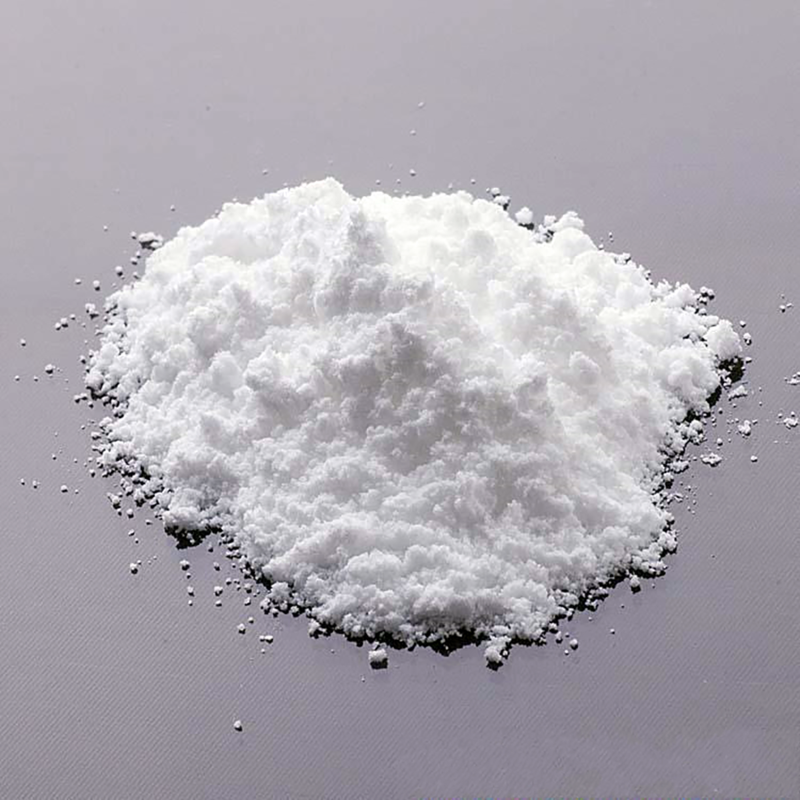
Erythritol CAS:149-32-6 C4H10O4 buy - large image1
Erythritol CAS:149-32-6 C4H10O4 buy - image1
Erythritol CAS:149-32-6 C4H10O4 buy - image2
Erythritol CAS:149-32-6 C4H10O4 buy - image3
Erythritol CAS:149-32-6 C4H10O4 buy - image4
Erythritol CAS:149-32-6 C4H10O4 buy - image5
Erythritol CAS:149-32-6 C4H10O4 buy - image6

Erythritol CAS:149-32-6 C4H10O4

TDS 30 Inquiries

Unit Price: Get Latest Price
CAS No.:

149-32-6

Grade:

Industrial Grade

Content:

98%

Port:

SHANGHAI

Brand:

Orient

Packaging:

1KG, 25KG, 200KG, 1000KG, customized

Price valid (until):

2026-01-12

Company Type:
Trader
Location:
China
Qualification:
Main Products:

pharmaceutical intermediates,peptides,electronic chemicals

  • Product Description

  • Seller Information

  • Inquiry History

  • Description

    Focusing on innovative research, development, and production in the field of fine chemicals, we prioritize technology, quality, and market orientation. We collaborate with global partners to build a high-tech chemical industry chain and promote sustainable development in the industry.

    The company's main products include pharmaceutical intermediates, food additives, essence, spices and plant extracts. The products have passed international certification and are exported to Europe, America, Japan, South Korea and Southeast Asia.


    Erythritol Basic information
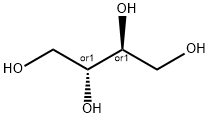
    Product Name: Erythritol
    Synonyms: 1,2,3,4-Butanetetrol, (R*,S*)-;2,3,4-Butanetetrol,(R*,S*)-1;3,4-butanetetrol,(theta,s)-2;Antierythrite;Butanetetrol;Erythrit;Erythritol, meso-;erythritol,meso-
    CAS: 149-32-6
    MF: C4H10O4
    MW: 122.12
    EINECS: 205-737-3
    Product Categories: Biochemistry;Erythrose;Sugars, Carbohydrates & Glucosides;Sugar Alcohols;Sugars;Food & Flavor Additives;Food additive and sweetener;Inhibitors;149-32-6
    Mol File: 149-32-6.mol
    Shop Erythritol CAS:149-32-6 C4H10O4-Detailed Image 1

    Erythritol Chemical Properties
    Melting point  118-120 °C (lit.)
    Boiling point  329-331 °C (lit.)
    density  1,451 g/cm3
    FEMA  4819 | ?ERYTHRITOL
    refractive index  1.4502 (estimate)
    Fp  329-331°C
    storage temp.  -20°C
    solubility  H2O: 0.1 g/mL, clear to almost clear, colorless
    form  Crystalline Powder or Crystals
    pka 13.9(at 25℃)
    color  White to off-white
    Odor at 100.00?%. odorless
    Water Solubility  soluble
    Merck  14,3675
    BRN  1719753
    Stability: Stable. Incompatible with strong oxidizing agents.
    InChIKey UNXHWFMMPAWVPI-ZXZARUISSA-N
    LogP -2.996 (est)
    CAS DataBase Reference 149-32-6(CAS DataBase Reference)
    NIST Chemistry Reference 2(r),3(s)-1,2,3,4-Butanetetrol(149-32-6)
    EPA Substance Registry System Erythrol (149-32-6)

    Safety Information
    Hazard Codes  Xi
    Risk Statements  36/37/38
    Safety Statements  26-36
    WGK Germany  3
    RTECS  KF2000000
    3-10
    TSCA  Yes
    HS Code  29054910
    Hazardous Substances Data 149-32-6(Hazardous Substances Data)
    Toxicity LD50 in male, female rats (g/kg): 6.6, 9.6 i.v.; >16, >16 s.c.; 13.1, 13.5 orally (Munro)
    MSDS Information

    Erythritol Usage And Synthesis
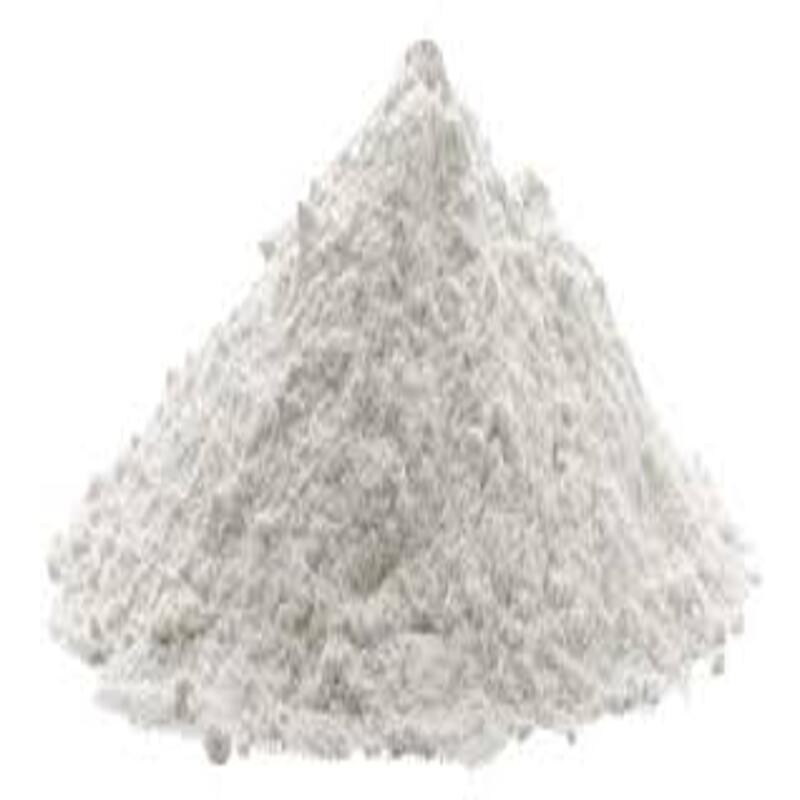
    Chemical Properties white crystals or powder
    Chemical Properties Erythritol (meso-erythritol, meso-1,2,3,4-Tetrahydroxybutan) has been known for a long time. Its potential use as a bulk sweetener was, however, recognized rather late.
    Erythritol is a natural constituent of several foods and beverages in levels sometimes exceeding 1 g/kg. Its solubility in water is approximately 370 g/L at room temperature and increases with increasing temperature. Erythritol melts at 121 C and is stable up to more than 160 C and in a pH range from 2 to 10. Depending on the concentration used, erythritol is approximately 60 % as sweet as sucrose. It is noncariogenic and not metabolized in the human body which means that it is more or less calorie-free.
    In the European Union, erythritol is approved as E 968 for a large number of food applications. It is GRAS in the United States and also approved in many other countries.
    Chemical Properties Erythritol is a sugar alcohol (polyol) that occurs as a white or almost white powder or granular or crystalline substance. It is pleasant tasting with a mild sweetness approximately 60–70% that of sucrose. It also has a high negative heat of solution that provides a strong cooling effect.
    Characteristics The sweetness of erythritol is low, the sweetness of erythritol is only 60%-70% of sucrose, the entrance has a cool taste, the taste is pure, and there is no post-bitterness. It can be used in combination with high-intensity sweeteners to inhibit its Undesirable flavors of high-intensity sweeteners. Erythritol has high stability, is very stable to acid and heat, and has high acid and alkali resistance. It will not decompose and change at temperatures below 200 °C, and will not undergo Maillard reaction to cause discoloration. The heat of dissolution of erythritol is high: erythritol has an endothermic effect when dissolved in water, and the heat of dissolution is only 97.4kJ/kg, which is higher than the endothermic degree of glucose and sorbitol, and has a cooling feeling when eating. The solubility of erythritol at 25 °C is 37% (W/W). With the increase of temperature, the solubility of erythritol increases, and it is easy to crystallize and separate out crystals. Erythritol is very easy to crystallize, but it will not absorb moisture in a 90% humidity environment. It is easy to be crushed to obtain a powdery product, which can be used on the surface of food to prevent food from absorbing moisture and deteriorating.
    Uses Erythritol is a sweetener (polyol) manufactured by fermentation of glucose, the glucose-rich substrate being obtained by the enzymatic hydrolysis of starch. it is 60–70% as sweet as sugar, has excellent heat and acid stability, a high digestive tolerance, and a caloric value of 0.2 kcal/g. it is the only polyol produced by fermentation. it can be used as a sugar replacement in confectioneries, beverages, and desserts.
    Uses non-cariogenic, low-calorie (0.4 kcal/g) sweetener
    Uses Non-nutritive sweetener in beverages.
    Definition ChEBI: Erythritol is the meso-diastereomer of butane-1,2,3,4-tetrol. It has a role as an antioxidant, a plant metabolite and a human metabolite.
    Production Methods Erythritol is a starch-derived product. The starch is enzymatically hydrolyzed into glucose which is turned into erythritol via a fermentation process, using osmophilic yeasts or fungi (e.g. Moniliella pollinis, or Trichosporonoides megachiliensis).
    Biotechnological Production The synthesis of erythritol is rather difficult. One of the possibilities is the catalytic reduction of tartaric acid with Raney nickel, which does, however, also produce threitol, a diastereomere of erythritol that requires separation of both. Threitol may be isomerized which increases the yields of erythritol. Another chemical synthesis starts from butane-2-diol-1.4 which is reacted with chlorine in aqueous alkali to yield erythritol-2-chlorohydrin and can be hydrolyzed with sodium carbonate solution. Synthesis from dialdehyde starch in the presence of a nickel catalyst at high temperatures is also possible.
    Owing to the special physiological properties of erythritol, commercial interest increased with the discovery of an increasing number of microorganisms able to produce this substance. Today, the commercial production of erythritol is apparently only based on fermentation.
    Erythrytitol fermentations mostly use osmophilic yeasts. Based on regulatory submissions for commercial production, T. megachiliensis, M. pollinis, and Y. lipolytica are used. It is also claimed that P. tsukubaensis and Aureobasidium sp. are used for commercial production.
    Erythritol-producing microorganisms often produce other polyols such as ribitol. Nevertheless, some strains had a rather high yield of erythritol. A two-step fermentation of C. magnoliae on 400 g/L glucose resulted in a 41 % conversion rate and a productivity of 2.8 g/Lh. M. pollinis cultivated on glucose and several nitrogen sources yielded erythritol concentrations up to 175 g/L with a conversion rate of 43 %. Oxygen limitation resulted in ethanol formation, and nitrogen limitation in strong foaming. A mutant gave even better yields. Aerobically on glucose cultured P. tsukubaensis KN 75 produced 245 g/L of erythritol with an especially high yield of 61 %. The productivity was 2.86 g/Lh. Scale-up from 7-L laboratory fermenter to 50,000-L industrial scale resulted in productivities similar to the laboratory value.

    First aid measures

    General advice
    Consult a physician. Show this material safety data sheet to the doctor in attendance.
    If inhaled
    If breathed in, move person into fresh air. If not breathing, give artificial respiration. Consult a physician.
    In case of skin contact
    Wash off with soap and plenty of water. Consult a physician.
    In case of eye contact
    Rinse thoroughly with plenty of water for at least 15 minutes and consult a physician.
    If swallowed
    Never give anything by mouth to an unconscious person. Rinse mouth with water. Consult a physician.

    Firefighting measures


    Suitable extinguishing media
    Use water spray, alcohol-resistant foam, dry chemical or carbon dioxide.
    Special hazards arising from the substance or mixture

    Carbon oxides Nitrogen oxides (NOx)

    Advice for firefighters

    Wear self-contained breathing apparatus for firefighting if necessary.

    Shop Diethyl oxalacetate sodium salt 40876-98-0-Detailed Image 2

    Shop Trimellitic Anhydride  C9H4O5 552-30-7-Detailed Image 2

    Shop Trimellitic Anhydride  C9H4O5 552-30-7-Detailed Image 3


    Shop Trimellitic Anhydride  C9H4O5 552-30-7-Detailed Image 4

    Shop Trimellitic Anhydride  C9H4O5 552-30-7-Detailed Image 5

    Shop Trimellitic Anhydride  C9H4O5 552-30-7-Detailed Image 6


    Shop Trimellitic Anhydride  C9H4O5 552-30-7-Detailed Image 7


    Shop Trimellitic Anhydride  C9H4O5 552-30-7-Detailed Image 8

    Shop Trimellitic Anhydride  C9H4O5 552-30-7-Detailed Image 9

    Shop Trimellitic Anhydride  C9H4O5 552-30-7-Detailed Image 10

    Shop Trimellitic Anhydride  C9H4O5 552-30-7-Detailed Image 11

    Shop Trimellitic Anhydride  C9H4O5 552-30-7-Detailed Image 12

    ——  Q&A  ——

    Q1:Do you provide sample?

    A: Yes, we can provide free sample, you only need pay the shipping cost.

    Q2: What is the lead time?

    A: For stock goods, it usually take about 5-7 days by air, 15-30 days by sea,For customized products, the delivery time needs to be confirmed based on the actual situation.

    Q3: How can I buy? What is the payment method?

    A: You can contract us through Email or you can browse our website:orientchem.cc, we have bank transfer,

    A:We attach great importance to after-sales service of our products. If there are any quality issues, please contact us within 30 days of receiving the goods and we will handle returns and exchanges for you.


    Certificates

    Basic Info
    Product Name:

    Erythritol

    Other Name:

    1,2,3,4-Butanetetrol,(2R,3S)-rel-;Erythritol;1,2,3,4-Butanetetrol,(R*,S*)-;rel-(2R,3S)-1,2,3,4-Butanetetrol;Erythrol;Phycitol;Mesoerythritol;meso-Erythritol;Erythrit;NIK 242;C*Eridex;NSC 8099;C* Eridex 16954;Erythritol 100M;F 8015;Lakanto-S;Cargill Zerose 16957;Zerose 01657;Zerose;(2R,3S)-Butane-1,2,3,4-tetraol;Eridex F 16960;Zerose Tm 16957;Zerose 16952;Erythritol T;Erythritol 50M;(2R,3S)-rel-Butane-1,2,3,4-tetraol;Lakanto Sweet Powder;10030-58-7;188346-77-2;868541-49-5;882981-67-1;909878-64-4;1646188-83-1;1798874-12-0;2075830-99-6

    CAS No.:

    149-32-6

    Molecular Formula:

    C4H10O4

    InChIKeys:

    InChIKey=UNXHWFMMPAWVPI-ZXZARUISNA-N

    Molecular Weight:

    122.12

    Exact Mass:

    122.12

    BRN:

    1719753

    EC Number:

    205-737-3

    UNII:

    RA96B954X6

    NSC Number:

    760400|8099

    DSSTox ID:

    DTXSID6043919

    Color/Form:

    Bipyramidal tetragonal prisms|White crystals

    HScode:

    29054910

    Characteristics
    PSA:

    80.9

    XLogP3:

    -2.3

    Appearance:

    White to off-white Crystalline Powder or Crystals

    Density:

    1.44 g/cm3

    Melting Point:

    121.5 °C

    Boiling Point:

    330.5 °C

    Flash Point:

    329-331°C

    Refractive Index:

    1.537

    Water Solubility:

    H2O: 0.1 g/mL, clear to almost clear, colorless

    Storage Conditions:

    −20°C

    Vapor Pressure:

    5.25X10⁻⁷ mm Hg at 25 deg C (est)

    Specific rotation:

    Specific optical rotation: +11.1 °C/D alcohol, 5%; 04.4 deg water, 5-10%

    Taste:

    About twice as sweet as sucrose

    Henrys Law Constant:

    Henry's Law constant = 3.08X10⁻¹⁰ atm-cu m/mole at 25 °C (est)

    Dissociation Constants:

    pKa = 13.903 (18 °C)

    Collision Cross Section:

    129.9 Ų [M+Na]+ [CCS Type: DT, Method: single field calibrated with ESI Low Concentration Tuning Mix (Agilent)]|130 Ų [M+Na]+

    Experimental Properties:

    Colorles liquid. BP: 138 °C; freezing point -18 °C; density 1.11. Hydrolyzed to erythritol when dissolved in water /Erythritol anhydride/|Hydroxyl radical reaction rate constant = 2.91X10⁻¹¹ cu cm/molec-sec at 25 °C (est)

    Hazard Identification

    Classification of the substance or mixture

    Not classified.

    GHS label elements, including precautionary statements

    Pictogram(s) No symbol.
    Signal word

    No signal word

    Hazard statement(s)

    none

    Precautionary statement(s)
    Prevention

    none

    Response

    none

    Storage

    none

    Disposal

    none

    Other hazards which do not result in classification

    no data available

    Handling and Storage

    Precautions for safe handling

    Handling in a well ventilated place. Wear suitable protective clothing. Avoid contact with skin and eyes. Avoid formation of dust and aerosols. Use non-sparking tools. Prevent fire caused by electrostatic discharge steam.

    Conditions for safe storage, including any incompatibilities

    Store in tight container as defined in the USP-NF. This material should be handled and stored per label instructions to ensure product integrity. Store in a refrigerator.

  • Seller Information
    Business Type:

    Trader

    Main Products:

    pharmaceutical intermediates,peptides,electronic chemicals

    Location:

    Room 102, 1st Floor, East Office Building, No. 45 Pengwan Road, Qianwan Bonded Port Area, Qingdao Zone, China (Shandong) Pilot Free Trade Zone

    Payment Terms:

    100% TT in advance

    Average lead Time:

    10

    Total Annual Revenue:

    $10 million-$25 million

    Total Employees:

    51-100

    Year of Establishment:

    2024

    A reliable supplier is like insurance.

    We are mainly specilized in supply of pharmaceutical intermediates, electronic chemicals,food additives, and other fine chemical products.
    Integrity is the foundation, quality is life. We would like to work together with you to build a greener and brighter future.

    Website: orientchem.cc
    Email: scarlett@orientchem.cc
    WhatsApp: +86 17753254221

  • Inquiry History
    30 Inquiries
    Country Product Purchase Quantity Date Posted
    South Korea

    Erythritol

    5 KG Sep 4, 2025
    India

    Erythritol food Grade

    27.00 TON May 20, 2024
    India

    Erythritol

    27 TON May 17, 2024
    India

    Erythritol

    500.00 KG May 25, 2026
    India

    Erythritol

    300 G Feb 4, 2026
    Poland

    Erytrithol

    3000 MT Apr 1, 2025
    Poland

    Erythritol

    10 MT Mar 6, 2025
    Egypt

    Erythritol

    5 KG Dec 5, 2024
    Portugal

    Erythritol

    1000 KG Nov 28, 2024
    India

    Erythritol

    1 MT Nov 20, 2024
    India

    Erythritol

    5 TON Nov 8, 2024
    Bangladesh

    Erythritol

    1.00 KG Aug 29, 2024
    United Arab Emirates

    erythritol pharmaceutical grade

    1000 KG Jul 19, 2024
    Brazil

    Erythritol (30-60 MESH)

    1.00 20' Fcl Jun 27, 2024
    Poland

    erythritol

    10 MT Jun 13, 2024
    United States

    Organic Erythritol Powder

    25 KG May 19, 2026
    India

    Erythritol

    10 MT Apr 16, 2026
    India

    Erythritol

    10.00 KG Jan 15, 2026
    India

    Erythritol

    1000 KG Jun 4, 2025
    India

    Erythritol

    5.00 KG Feb 9, 2025
    • 1
    • 2
    • Go to Page Go
    Post an enquiry for this product
pic ×

Scan the QR Code to Share

All products displayed on this website are only for non-medical purposes such as industrial applications or scientific research, and cannot be used for clinical diagnosis or treatment of humans or animals. They are not medicinal or edible.

According to relevant laws and regulations and the regulations of this website, units or individuals who purchase hazardous materials should obtain valid qualifications and qualification conditions.

The information shown above is provided by the enterprise itself, and the authenticity, accuracy and legitimacy of the content are the responsibility of the publishing company. ECHEMI does not bear any guarantee responsibility for this. Please be aware that risks in internet transactions objectively exist.

Feedback & Suggestions
Send Message

Thank you for your feedback. If you require further assistance, please contact us by email at info@echemi.com or call us at +86-532-55729510.