1. Description
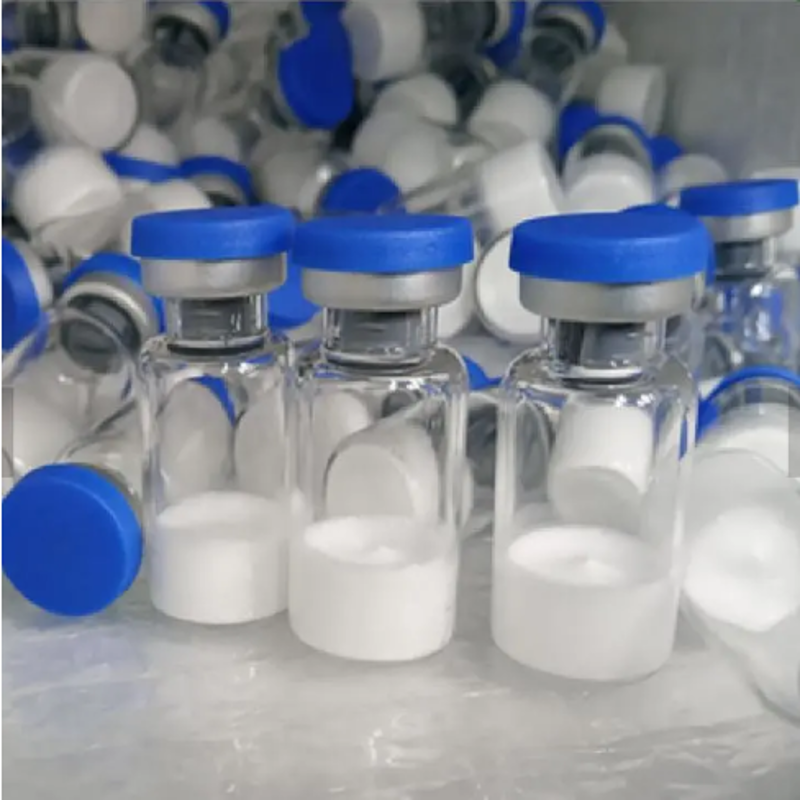
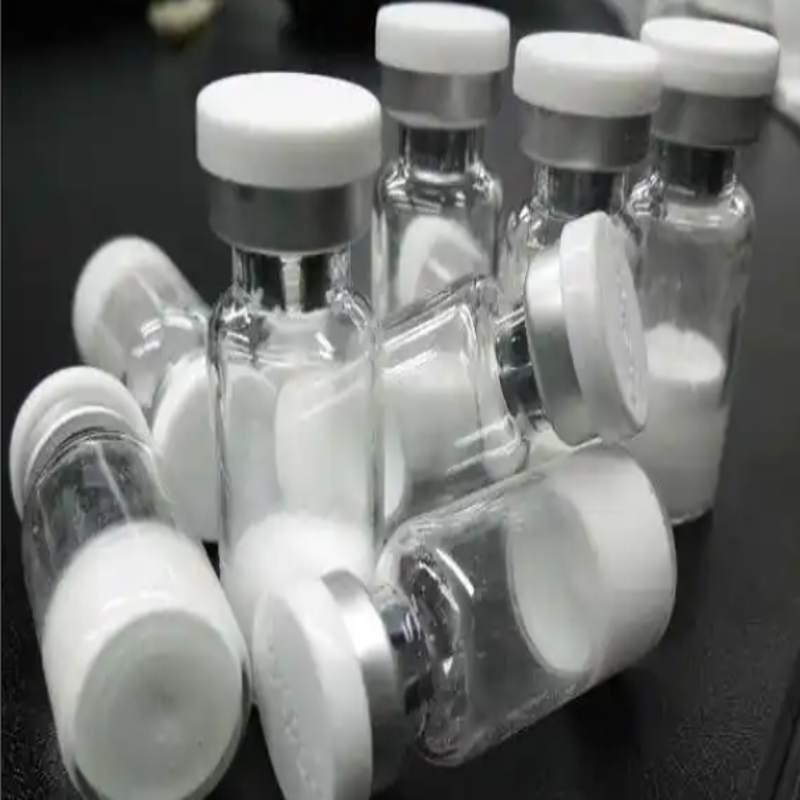
Spermidine trihydrochloride (CAS: 334-50-9) is the hydrochloride form of the natural polyamine compound Spermidine. Due to its more stable structure and better water solubility, it has become a commonly used physical property in industry and scientific research. At room temperature, it is a white to off white crystalline powder with no obvious odor. It has excellent water solubility (can quickly dissolve in aqueous systems such as pure water and physiological saline) and can also dissolve in polar organic solvents such as methanol and ethanol. It is insoluble in non-polar solvents such as ether and petroleum ether, and can be stored for a long time under dry and dark conditions;
Natural source: Spermine is widely present in animals and plants, such as wheat germ, beans, yeast, mammalian semen, and breast milk. Its hydrochloride salt is often prepared through natural extraction and purification, or obtained through chemical synthesis. The two have high structural and functional consistency.
2. Application
(1). Biomedical scientific research: as a key experimental reagent, it is often used in cell biology and molecular biology research, such as regulating autophagy process in cell culture, studying the relationship between polyamine metabolism and cell aging, or in oncology and neuroscience to explore its impact on cell proliferation and apoptosis signal pathways;
(2). Cosmetics: Due to its anti-aging and repair activities, it is often added to anti-aging skin care products as a functional ingredient, such as essence liquid, face cream, eye cream, etc., to meet the needs of sensitive muscle and mature muscle care, and help improve skin relaxation, fine lines and other aging problems;
(3). In the field of food supplements: relying on the safety of natural sources, it has been developed as a dietary supplement (such as capsules, powder formulations), targeting people who are concerned about aging management and immune maintenance, as a daily nutritional supplement;
(4). In the field of agriculture: a small amount is used for the preparation of plant growth regulators, which can be applied through foliar spraying or soil application to promote crop root development, enhance crop drought resistance, disease and pest resistance, especially for quality optimization of fruit and vegetable crops.
3. Main Efficacy
The efficacy of spermidine hydrochloride revolves around its physiological regulation of biological cells (human cells, plant cells), with the core functions as follows:
(1)Cellular autophagy activation efficacy: This is its most critical biological activity - by regulating the intracellular "autophagy pathway", it promotes the clearance and recovery of damaged organelles (such as mitochondria) and misfolded proteins, reduces the accumulation of "aging waste" in cells, and thus delays the process of cell aging. This mechanism is also the core basis for its anti-aging applications;
(2)Cellular function maintenance efficacy: As an important member of natural polyamines in cells, it participates in maintaining DNA stability, regulating protein synthesis, and protecting cell membrane integrity. It can improve the metabolic efficiency of aging cells and enhance cell vitality (such as the water locking ability of skin cells and the proliferation ability of immune cells);
(3)Antioxidant and stress protection effects: can be achieved by enhancing the activity of intracellular antioxidant enzymes (such as superoxide dismutase (SOD)), reducing the oxidative damage of reactive oxygen species (ROS) to cells, and improving the tolerance of cells to environmental stress (such as ultraviolet radiation, drought, toxins), which is reflected in cosmetics anti photoaging and agricultural anti stress;
(4)Plant growth promoting effect: For plant cells, it can promote cell division and elongation, regulate the balance of plant hormones (such as auxin and cytokinin), promote root development, flowering and fruiting, enhance plant resistance to pests and diseases, and improve crop yield and quality.