What is IGF-1 LR3?
IGF-1 and its analogs such as Long R3 IGF-1, des(1-3)IGF-1 and R3-IGF-I, have mitogenic effects, which speed up cell replication in different tissues.
IGF-1 LR3 was developed to improve the stability and efficiency of IGF-1 for stimulating cell growth in in vitro experiments. Adding IGF-1 LR3 to cell culture speeds up cell division, which shortens the time to conduct laboratory studies.
IGF-1 LR3 achieves this by activating the IGF-1 receptors found in most human and animal cells. Activating these anabolic receptors also stimulates protein synthesis and tissue growth.
Difference between IGF-1 and IGF-1 LR3
Most of the IGF-1 naturally found in your body binds to serum proteins called IGF-1 binding proteins. This prolongs its half-life by up to 15 hours but reduces the affinity to the IGF-1 receptors.
In comparison, the IGF-1 LR3 analog appears to have a higher affinity to the anabolic IGF-1 receptors and binds less to serum proteins.
As a result, IGF-1 LR3 has enhanced potency, and animal studies report that continuous infusion with LR3 IGF-1 had up to 2-fold higher anabolic effects than IGF-1. Tested animals experienced higher weight gain and an increase in the weight of some of their organs.
The half-life of IGF-1 LR3
Currently, there is no clinical evidence reporting its half-life in the human body, but the common beliefs you may find on the Internet that it is longer than that of IGF-1 (up to 20-30 hours) appear to be unsubstantiated.
In fact, LR3 IGF-1 is most likely eliminated quite fast in the human body due to the fact that it binds less to serum proteins such as IGF-1 binding protein.
What is more, studies in mice report that IGF-1 LR3 is eliminated entirely within 4 hours of intramuscular , meaning its half-life in mice is less than 1 hour. The metabolites of IGF-1 LR3 had a slightly longer half-life and were detectable for up to 16 hours.
In terms of effects, animal research reveals that administering IGF-1 LR3 helps protect against muscle mass loss and catabolism during reduced periods of energy intake. The peptide was infused for 8 hours, significantly suppressing the natural IGF-1 production.
Yet, there is no clinical research reporting on its effects on humans, so there is no guarantee it will work the same way. IGF-1 LR3 is also not meant for human use and can be legally obtained only for research purposes.
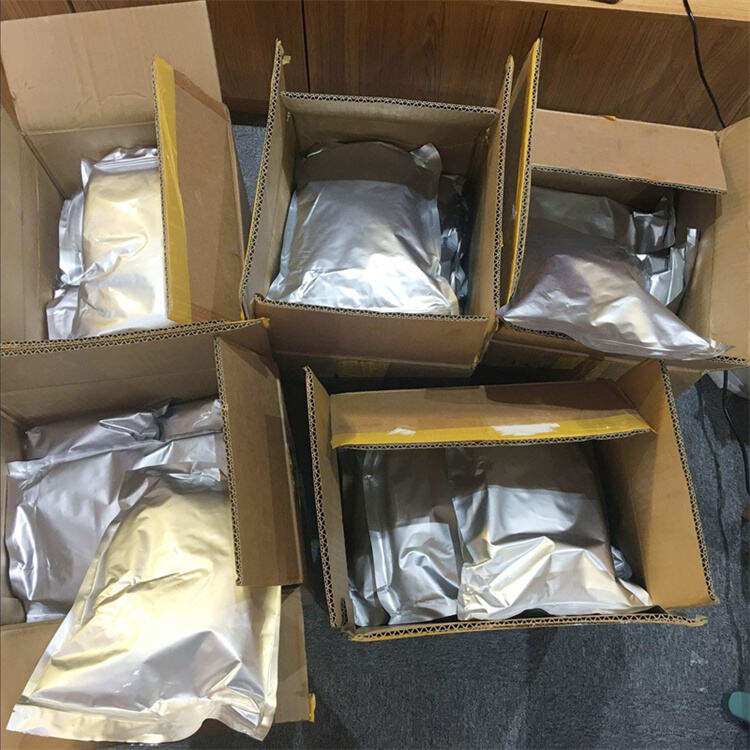
LR3 IGF-1 is available as a sterile filtered white lyophilized (freeze-dried) powder that must be reconstituted with distilled water and used for research purposes only. The vial sizes range from 0.2 to 1 mg.
For research purposes, the vial must be reconstituted with 2-10 ml of sterile water until achieving a concentration of 0.1 mg per milliliter. Afterward, the solution should be stored in a refrigerator at 4°C for 2-7 days.
These patients take 0.04–0.12 mg/kg of IGF-1 twice daily subcutaneously, which is equal to at least 5.6 mg of IGF-1 per day for a 70 kg person.
Despite the fact that IGF-1 LR3 is an analog with 2-3 times higher potency and purportedly longer half-life, it is unlikely that taking it in doses more than ten times lower than IGF-1 may provide any noticeable effects.


1. How to make an order?
Send me message and let me know what you need with quantity , then i will calculate to you.
2. What's the lead time and shipping ways?
We will delivery to the package by USPS, FEDEX, DHL paket and UPS express to you after receive your payment, it would take around 5-15 days to your address.
3. How do i keep the peptides when i receive it ?
Peptides in the form of lyophilized powder can be transported at room temperature by vacuum packaging, while polypeptides in the dissolved state need to be refrigerated at 2°C - 8°C. For long-term storage, peptides should be stored in the form of lyophilized powder store at -20°C or -80°C in a sealed container with desiccant, which can avoid the degradation of peptides to the greatest extent.
4. What's the payment methods ?
We could accept pay through pix,,credit card,bank transfer,alipay, wise, and bitcoin/USDT.








 United States
 Australia