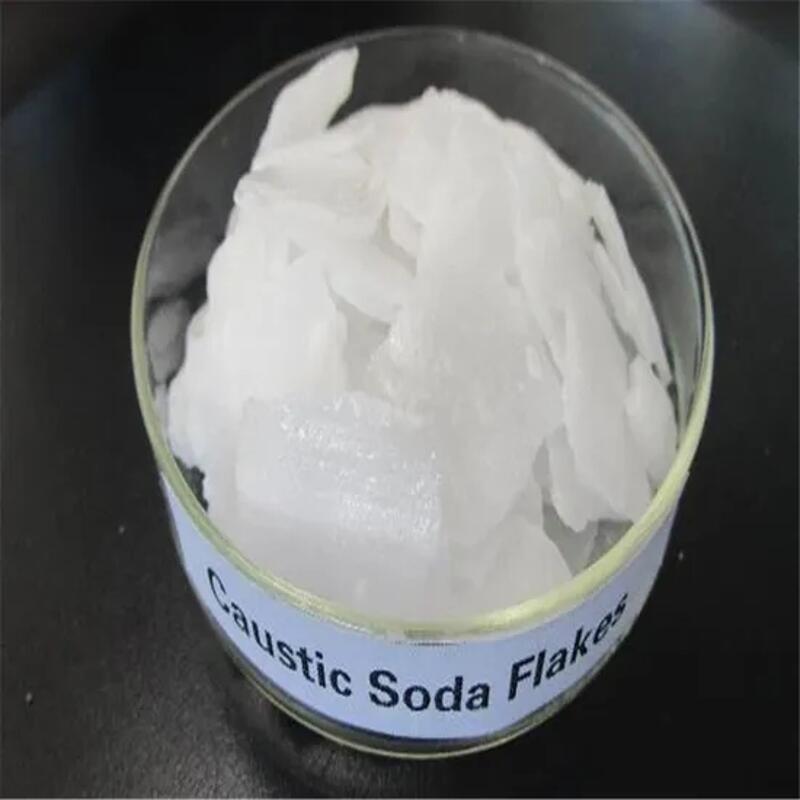
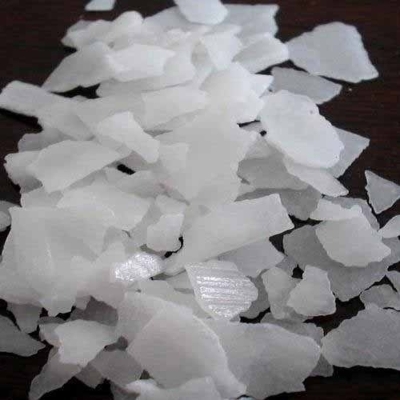
Product
Supplier
Encyclopedia
Inquiry
4-Chloronitrobenzene100-00-5 buy - large image1
4-Chloronitrobenzene100-00-5 buy - image1
4-Chloronitrobenzene100-00-5 buy - image2
4-Chloronitrobenzene100-00-5 buy - image3
4-Chloronitrobenzene100-00-5 buy - image4
4-Chloronitrobenzene100-00-5 buy - image5
4-Chloronitrobenzene100-00-5 buy - image6

4-Chloronitrobenzene100-00-5

12 Inquiries

Unit Price:

$33-34/MT FOB

Get Latest Price
CAS No.:

100-00-5

Grade:

Pharmaceutical Grade

Content:

99.5%

Port:

上海

Brand:

OORENT

Packaging:

Vial/Bottle/Bag/Carton

Price valid (until):

2026-07-17

Company Type:
Trader
Location:
China
Qualification:
Main Products:

pharmaceutical intermediates,peptides,electronic chemicals

  • Product Description

  • Seller Information

  • Inquiry History

  • Description

    Product Detail

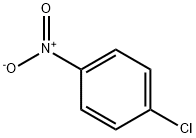
    4-Chloronitrobenzene Basic information
    Product Name: 4-Chloronitrobenzene
    Synonyms: 1-CHLORO-4-NITROBENZENE;4-Nitro-1-chlorobenzene;4-Chloro-1-nitrobenzene;4-CHLORONITROBENZENE;4-NITROCHLOROBENZENE;P-NITROCHLOROBENZENE;PNCB;PARA NITROCHLOROBENZENE
    CAS: 100-00-5
    MF: C6H4ClNO2
    MW: 157.55
    EINECS: 202-809-6
    Product Categories: Dyestuff Intermediates;alkyl chloride | nitro-compound;Intermediates of Dyes and Pigments;Organics;Alpha Sort;Analytical Standards;Nitro Compounds;AromaticsVolatiles/ Semivolatiles;C;CAlphabetic;CHChemical Class;Chemical Class;ChloroAnalytical Standards;Halogenated;Nitrogen Compounds;Organic Building Blocks
    Mol File: 100-00-5.mol
    Shop 4-Chloronitrobenzene100-00-5-Detailed Image 1

    4-Chloronitrobenzene Chemical Properties
    Melting point  80-83 °C(lit.)
    Boiling point  242 °C(lit.)
    density  1.298 g/mL at 25 °C(lit.)
    vapor density  5.4 (vs air)
    vapor pressure  0.09 mm Hg ( 25 °C)
    refractive index  1.5376 (estimate)
    Fp  >230 °F
    solubility  Soluble in acetone and alcohol (Weast, 1986)
    form  Crystals or Flakes
    color  Yellow
    Water Solubility  Insoluble
    Merck  14,2151
    BRN  508691
    Henry's Law Constant 4.90 x 10⁻⁶ atmm3/mol at 25 °C (thermodynamic method-GC/UV spectrophotometry, Altschuh et al., 1999)
    Exposure limits ACGIH TLV-TWA:0.1 ppm (0.64 mg/m3)
    OSHA PEL-TWA:1 mg/m³
    NIOSH IDLH:100
    Stability: Stable. Combustible. Incompatible with strong oxidizing agents, hydroxides. Reacts violently with sodium methoxide in methanol.
    InChI 1S/C6H4ClNO2/c7-5-1-3-6(4-2-5)8(9)10/h1-4H
    InChIKey CZGCEKJOLUNIFY-UHFFFAOYSA-N
    SMILES [O-][N+](=O)c1ccc(Cl)cc1
    CAS DataBase Reference 100-00-5(CAS DataBase Reference)
    IARC 2B (Vol. 65, 123) 2020
    NIST Chemistry Reference Benzene, 1-chloro-4-nitro-(100-00-5)
    EPA Substance Registry System p-Chloronitrobenzene (100-00-5)

    Safety Information
    Hazard Codes  T,N
    Risk Statements  23/24/25-40-48/20/21/22-51/53-68
    Safety Statements  28-36/37-45-61-28A
    RIDADR  UN 1578 6.1/PG 2
    WGK Germany  2
    RTECS  CZ1050000
    Autoignition Temperature 500 °F
    Hazard Note  Very Toxic
    TSCA  TSCA listed
    HazardClass  6.1
    PackingGroup  II
    HS Code  29049085
    Storage Class 6.1A - Combustible acute toxic Cat. 1 and 2
    very toxic hazardous materials
    Hazard Classifications Acute Tox. 3 Dermal
    Acute Tox. 3 Inhalation
    Acute Tox. 3 Oral
    Aquatic Chronic 2
    Carc. 2
    Muta. 2
    STOT RE 2
    Hazardous Substances Data 100-00-5(Hazardous Substances Data)
    Toxicity LD50 (skin) for rats 16 gm/kg (quoted, RTECS, 1985).
    IDLH 100 mg/m3
    MSDS Information
    Provider Language
    PNCB English
    SigmaAldrich English
    ACROS English
    ALFA English

    4-Chloronitrobenzene Usage And Synthesis
    Chemical Properties 4-Chloronitrobenzene is a light yellow monoclinic prisms crystallizes, which are insoluble in water and very soluble in toluene, ether, acetone, or hot ethanol. It is incompatible with strong oxidizers and alkalis. It is extensively used in different industries as an intermediate in the manufacture of dyes, rubber, and agricultural chemicals.
    Physical properties p-Nitrochlorobenzene is a yellow crystalline solid with a sweet odor.
    Uses 4-Nitrochlorobenzene is an important intermediate in the manufacture of azo dyes and sulfide dyes, the drugs finasteride and paracetamol, the pesticide herbicide, etc. It is also the raw material of rubber antioxidant 4010.
    Uses p-Nitrochlorobenzene is largely used to produce p-nitrophenol with smaller production of p-nitroaniline.
    Uses Manufacture of dyes, rubber, and agricultural chemicals
    Definition ChEBI: 4-Chloronitrobenzene is a C-nitro compound.
    Production Methods p-Nitrochlorobenzene is made by the nitration of chlorobenzene.
    Synthesis Reference(s) The Journal of Organic Chemistry, 52, p. 2407, 1987 DOI: 10.1021/jo00388a014
    Tetrahedron Letters, 19, p. 4519, 1978
    General Description Light yellow crystalline solid. Density 1.520 g / cm3. Melting point 83°C. Sweet odor. Very toxic by inhalation, ingestion, and skin absorption. p-Chloronitrobenzene is extensively used in different industries as an intermediate in the manufacture of dyes, rubber, and agricultural chemicals. It is incompatible with strong oxidisers and alkalis.
    Air & Water Reactions Insoluble in water.
    Reactivity Profile 4-Chloronitrobenzene reacts with oxidizing agents. Reacts violently and finally explosively when added to a solution of sodium methoxide in methanol. . Unstable when heated.
    Hazard A questionable carcinogen. Very toxic by inhalation and ingestion. Absorbed via skin. Combustible. Methemoglobinemia.
    Health Hazard Repeated exposure to high levels of p-chloronitrobenzene causes adverse health effects. The symptoms of toxicity include, but are not limited to, anoxia, unpleasant taste, anemia, methemoglobinemia, hematuria (blood in the urine), spleen, kidney, bone marrow changes, and reproductive effects. The target organs of p-chloronitrobenzene poisoning have been identifi ed as the blood, liver, kidneys, cardiovascular system, spleen, bone marrow, and reproductive system.
    Fire Hazard 4-Chloronitrobenzene is combustible.
    Safety Profile Confirmed carcinogen with experimental carcinogenic data. A poison by ingestion. Experimental reproductive effects. Mutation data reported. Flammable liquid when exposed to heat, sparks, or flame. May explode on heating. Potentially violent reaction with sodium methoxide. When heated to decomDosition it emits very toxic fumes of NOx and Cl-. See also other chloronitrobenzene entries and NITRO COMPOUNDS OF AROMATIC HYDROCARBONS.
    Potential Exposure p-Nitrochlorobenzene (PNCB) is used as an intermediate in pesticide (parathion) manufacture, drug (phenacetin and acetaminophen) manufacture; and in dye making; rubber and antioxidant manufacture.
    Carcinogenicity No increase in tumor incidence was seen in rats fed up to 1000 ppm in the diet for 2 years; in mice, results were equivocal, with high-dose animals showing an increase in vascular tumors and low-dose males showing an increase in liver tumors.6 The IARC has determined that there is inadequate evidence in experimental animals and humans for the carcinogenicity of chlorobenzenes.7
    Environmental fate Biological. Under aerobic conditions, the yeast Rhodosporidium sp. metabolized pchloronitrobenzene to 4-chloroacetanilide and 4-chloro-2-hydroxyacetanilide as final major metabolites. Intermediate compounds identified include 4-chloronitrosobenzene, 4-chlorophenylhydroxylamine, and 4-chloroaniline (Corbett and Corbett, 1981).
    Under continuous flow conditions involving feeding, aeration, settling, and reflux, a mixture of p-chloronitrobenzene and 2,4-dinitrochlorobenzene was reduced 61–70% after 8–13 d by Arthrobacter simplex, a microorganism isolated from industrial waste. A similar experiment was conducted using two aeration columns. One column contained A. simplex, the other a mixture of A. simplex and microorganisms isolated from soil (Streptomyces coelicolor, Fusarium sp., probably aquaeductum and Trichoderma viride). After 10 d, 89.5–91% of the nitro compounds was reduced. p-Chloronitrobenzene was reduced to 4-chloroaniline and six unidentified compounds (Bielaszczyk et al., 1967).
    Photolytic. An aqueous solution containing p-chloronitrobenzene and a titanium dioxide (catalyst) suspension was irradiated with UV light (λ >290 nm). 2-Chloro-5-nitrophenol was the only compound identified as a minor degradation product. Continued irradiation caused additional degradation yielding carbon dioxide, water, hydrochloric and nitric acids (Hustert et al., 1987).
    Irradiation of p-chloronitrobenzene in air and nitrogen produced 4-chloro-2-nitrophenol and 4- chlorophenol, respectively (Kanno and Nojima, 1979).
    Chemical. Although no products were identified, p-chloronitrobenzene (1.5 x 10⁻⁵ M) was reduced by iron metal (33.3 g/L acid washed 18–20 mesh) in a carbonate buffer (1.5 x 10⁻² M) at pH 5.9 and 15 °C. Based on the pseudo-first-order disappearance rate of 0.0336/min, the half-life was 20.6 min (Agrawal and Tratnyek, 1996).
    Shipping UN1578 Chloronitrobenzenes, solid or liquid, Hazard Class: 6.1; Labels: 6.1-Poisonous materials.
    Purification Methods Crystallise the nitrobenzene from 95% EtOH (charcoal) and sublime it in vacuo. [Emmons JAm Chem Soc 76 3470 1954, Newman & Forrest J Am Chem Soc 69 1221 1947, Beilstein 5 IV 723.]
    Incompatibilities A strong oxidizer. Reacts violently with oxidizers, combustibles, alkalis, sodium methoxide; and reducing materials.
    Waste Disposal Incineration (816℃, 0.5 second for primary combustion; 1204℃, 1.0 second for secondary combustion). The formation of elemental chlorine can be prevented through injection of steam or methane into the combustion process. nitrogen oxides may be abated through the use of thermal or catalytic devices.

    Shop 3-Chloro-1-propene107-05-1-Detailed Image 2 Shop 3-Chloro-1-propene107-05-1-Detailed Image 3 Shop 3-Chloro-1-propene107-05-1-Detailed Image 4 Shop 3-Chloro-1-propene107-05-1-Detailed Image 5 Shop 3-Chloro-1-propene107-05-1-Detailed Image 6 Shop 3-Chloro-1-propene107-05-1-Detailed Image 7


    Basic Info
    Product Name:

    1-Chloro-4-nitrobenzene

    Other Name:

    Benzene,1-chloro-4-nitro-;1-Chloro-4-nitrobenzene;p-Chloronitrobenzene;4-Chloro-1-nitrobenzene;p-Nitrochlorobenzene;PNCB;p-Nitrophenyl chloride;4-Chloronitrobenzene;4-Nitrochlorobenzene;4-Nitro-1-chlorobenzene;1-Nitro-4-chlorobenzene;4-Nitrophenyl chloride;NSC 9792

    CAS No.:

    100-00-5

    Molecular Formula:

    C6H4ClNO2

    InChIKeys:

    InChIKey=CZGCEKJOLUNIFY-UHFFFAOYSA-N

    Molecular Weight:

    157.55400

    Exact Mass:

    157.55

    EC Number:

    202-809-6

    HScode:

    29049085

    Characteristics
    PSA:

    45.82000

    XLogP3:

    2.77140

    Appearance:

    P-nitrochlorobenzene is a light yellow crystalline solid. Density 1.520 g / cm3. Melting point 83°C. Sweet odor. Very toxic by inhalation, ingestion, and skin absorption.

    Density:

    1.520 g/cm3

    Melting Point:

    82-84 °C

    Boiling Point:

    242 °C @ Press: 760 Torr

    Flash Point:

    127ºC

    Refractive Index:

    1.5376 (100ºC)

    Water Solubility:

    H2O: Insoluble

    Storage Conditions:

    Store in a cool, dry place. Store in a cool, dry, well-ventilated area away from incompatible substances. Keep containers tightl

    Vapor Pressure:

    0.09 mm Hg ( 25 °C)

    Vapor Density:

    5.4 (vs air)

    Flammability characteristics:

    Solid that does not burn, or burns with difficulty.

    Odor:

    Sweet odor

    Hazard Identification

    Classification of the substance or mixture

    Acute toxicity - Category 3, Oral

    Acute toxicity - Category 3, Dermal

    Acute toxicity - Category 3, Inhalation

    Germ cell mutagenicity, Category 2

    Carcinogenicity, Category 2

    Specific target organ toxicity – repeated exposure, Category 2

    Hazardous to the aquatic environment, long-term (Chronic) - Category Chronic 2

    GHS label elements, including precautionary statements

    Pictogram(s)
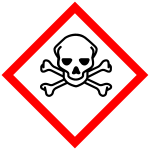
    Signal word

    Danger

    Hazard statement(s)

    H301 Toxic if swallowed

    H311 Toxic in contact with skin

    H331 Toxic if inhaled

    H341 Suspected of causing genetic defects

    H351 Suspected of causing cancer

    H373 May cause damage to organs through prolonged or repeated exposure

    H411 Toxic to aquatic life with long lasting effects

    Precautionary statement(s)
    Prevention

    P264 Wash ... thoroughly after handling.

    P270 Do not eat, drink or smoke when using this product.

    P280 Wear protective gloves/protective clothing/eye protection/face protection/hearing protection/...

    P261 Avoid breathing dust/fume/gas/mist/vapours/spray.

    P271 Use only outdoors or in a well-ventilated area.

    P203 Obtain, read and follow all safety instructions before use.

    P260 Do not breathe dust/fume/gas/mist/vapours/spray.

    P273 Avoid release to the environment.

    Response

    P301+P316 IF SWALLOWED: Get emergency medical help immediately.

    P321 Specific treatment (see ... on this label).

    P330 Rinse mouth.

    P302+P352 IF ON SKIN: Wash with plenty of water/...

    P316 Get emergency medical help immediately.

    P361+P364 Take off immediately all contaminated clothing and wash it before reuse.

    P304+P340 IF INHALED: Remove person to fresh air and keep comfortable for breathing.

    P318 IF exposed or concerned, get medical advice.

    P319 Get medical help if you feel unwell.

    P391 Collect spillage.

    Storage

    P405 Store locked up.

    P403+P233 Store in a well-ventilated place. Keep container tightly closed.

    Disposal

    P501 Dispose of contents/container to an appropriate treatment and disposal facility in accordance with applicable laws and regulations, and product characteristics at time of disposal.

    Other hazards which do not result in classification

    no data available

    Handling and Storage

    Precautions for safe handling

    NO open flames. Handling in a well ventilated place. Wear suitable protective clothing. Avoid contact with skin and eyes. Avoid formation of dust and aerosols. Use non-sparking tools. Prevent fire caused by electrostatic discharge steam.

    Conditions for safe storage, including any incompatibilities

    Separated from combustible substances, reducing agents and food and feedstuffs. Keep in a well-ventilated room.Store in cool, dry, well-ventilated location. Separate from alkalies and oxidizing materials.

  • Seller Information
    Business Type:

    Trader

    Main Products:

    pharmaceutical intermediates,peptides,electronic chemicals

    Location:

    Room 102, 1st Floor, East Office Building, No. 45 Pengwan Road, Qianwan Bonded Port Area, Qingdao Zone, China (Shandong) Pilot Free Trade Zone

    Payment Terms:

    100% TT in advance

    Average lead Time:

    10

    Total Annual Revenue:

    $10 million-$25 million

    Total Employees:

    51-100

    Year of Establishment:

    2024

    A reliable supplier is like insurance.

    We are mainly specilized in supply of pharmaceutical intermediates, electronic chemicals,food additives, and other fine chemical products.
    Integrity is the foundation, quality is life. We would like to work together with you to build a greener and brighter future.

    Website: orientchem.cc
    Email: scarlett@orientchem.cc
    WhatsApp: +86 17753254221

  • Inquiry History
    12 Inquiries
    Country Product Purchase Quantity Date Posted
    India

    1-Chloro-4-nitrobenzene

    1000.00 KG Mar 13, 2025
    United Arab Emirates

    p-Nitrochlorobenzene

    20 MT Mar 15, 2024
    India

    2,6 Naphthalenedicarboxylic acid

    10.00 KG Mar 14, 2025
    India

    Sodium chlorite

    2000.00 KG Mar 13, 2025
    India

    Morpholine

    2000.00 KG Mar 13, 2025
    India

    P-Chlorophenyl hydrazine HCL

    1000.00 KG Mar 13, 2025
    India

    N,N-disuccinimidyl carbonate

    10.00 KG Mar 14, 2025
    India

    Diethyl methyl malonte

    800.00 KG Mar 14, 2025
    India

    Sodium dihydrogen phosphate dihydrate

    2500.00 KG Mar 13, 2025
    India

    8-DM

    5.00 KG Mar 14, 2025
    India

    pentafluorobenzene

    75.00 KG Mar 14, 2025
    India

    4-Ethylaniline

    100.00 KG Mar 13, 2025
    Post an enquiry for this product
pic ×

Scan the QR Code to Share

All products displayed on this website are only for non-medical purposes such as industrial applications or scientific research, and cannot be used for clinical diagnosis or treatment of humans or animals. They are not medicinal or edible.

According to relevant laws and regulations and the regulations of this website, units or individuals who purchase hazardous materials should obtain valid qualifications and qualification conditions.

The information shown above is provided by the enterprise itself, and the authenticity, accuracy and legitimacy of the content are the responsibility of the publishing company. ECHEMI does not bear any guarantee responsibility for this. Please be aware that risks in internet transactions objectively exist.

Feedback & Suggestions
Send Message

Thank you for your feedback. If you require further assistance, please contact us by email at info@echemi.com or call us at +86-532-55729510.