ZINC PROPIONATE | CAS 557-28-8
Product Overview
Zinc Propionate (CAS: 557-28-8) is an organic zinc salt formed by the combination of zinc cations (Zn²⁺) and propionate anions (C₃H₅O₂⁻), with the empirical formula Zn(C₃H₅O₂)₂. It appears as a white to off-white crystalline powder with a slight propionic acid odor when exposed to moist air. The compound is known for its high water solubility and its unique dual functionality as both a zinc source and an antimicrobial agent.
Zinc Propionate has been developed and utilized across multiple industries, including animal nutrition, food preservation, cosmetics, and pharmaceuticals, owing to the combined functional properties of zinc and propionic acid.
|
|
| CAS Number | 557-28-8 |
| Molecular Formula | C₆H₁₀O₄Zn |
| Molecular Weight | 211.53 g/mol |
| MDL Number | MFCD00045937 |
| EINECS Number | 209-167-6 |
| IUPAC Name | zinc;propanoate |
| InChI Key | XDWXRAYGALQIFG-UHFFFAOYSA-L |
| HS Code | 2915.50 (Propionic acid salts) |
Product Description
Zinc Propionate is a white, hygroscopic crystalline powder that is highly soluble in water, with a solubility of 32% (w/w) in water at 15°C. It is also soluble in alcohol (2.8% at 15°C, 17.2% in boiling alcohol), miscible with ethanol, and soluble in diethyl ether. The compound is sensitive to moisture and decomposes in humid atmospheres, releasing propionic acid.
Zinc Propionate is typically manufactured by neutralizing zinc bases such as zinc oxide or zinc carbonate with propionic acid, followed by drying and purification. The resulting product exhibits a white to slightly off-white powder appearance.
The compound's discovery and development stem from the integrated functional properties of zinc and propionic acid. Propionic acid and its salts are well-known for their antimicrobial activity, particularly against molds and certain bacteria, while zinc compounds provide additional antibacterial and antifungal properties.
Technical Specifications
| Parameter | Specification |
| Appearance | White to off-white crystalline powder |
| Purity | ≥ 97.0% – ≥ 99.0% |
| Molecular Weight | 211.53 g/mol |
| Solubility in Water | 32% (w/w) at 15°C |
| Solubility in Alcohol | 2.8% at 15°C; 17.2% in boiling alcohol |
| Solubility | Miscible with ethanol; soluble in diethyl ether; slightly soluble in chloroform |
| pH (10% aqueous solution) | 7.0 – 10.0 |
| Loss on Drying | ≤ 9.5% |
| Heavy Metals | ≤ 0.001% |
| Fluoride | ≤ 30 mg/kg |
| Sulfate | ≤ 0.01% |
| Iron | ≤ 30 mg/kg |
| Mercury | ≤ 1 mg/kg |
| Arsenic | ≤ 3 mg/kg |
| Water Insolubles | ≤ 0.05% |
| Sensitivity | Hygroscopic; moisture sensitive |
| Storage Condition | Store in cool, dry, well-ventilated area; keep container tightly closed; store under inert gas |
| Stability | Stable under recommended storage conditions; decomposes in moist atmosphere releasing propionic acid |
Applications
Animal Feed & Nutrition
Zinc Propionate is primarily used as a preservative in animal feed, especially in poultry, swine, and cattle rations, to inhibit mold growth and extend storage life. Its mechanism of action involves the propionate moiety disrupting microbial metabolism while zinc interacts with microbial cell membranes and enzymes, further reducing viability.
Beyond its role as a preservative, Zinc Propionate serves as a source of dietary zinc in fortified feed. Zinc is an essential trace element for livestock, required for enzyme function, growth, reproduction, and immune system function. Studies have demonstrated that Zinc Propionate offers 16-19% higher zinc bioavailability compared to feed-grade zinc sulfate in poultry, enabling lower inclusion rates.
Key benefits in animal nutrition include:
-
Enhanced animal immune function and improved anti-stress capability
-
Increased resistance to disease with reduced morbidity and mortality
-
Promoted growth and development
-
Improved feed conversion ratio
-
Maintained intestinal micro-ecological balance
-
Reduced digestive tract diseases and diarrheal rates
-
Improved reproductive performance in breeding stock
-
Enhanced skin and coat/feather condition
Food Preservation
Zinc Propionate exhibits natural antimicrobial properties and can inhibit the growth of certain molds and fungi, making it a safe and effective food preservative that helps extend product shelf life. In vitro studies have shown that Zinc Propionate can inhibit the growth of various bacterial strains, including Listeria, Salmonella, and Staphylococcus aureus.
Nutraceuticals & Dietary Supplements
Zinc Propionate is a key ingredient in tablets, capsules, and powders designed for immune support, skin integrity, and metabolic function. Its neutral, low-bitter taste profile permits use in fortified foods, beverages, and oral nutritional products. The organic propionate ligand maintains Zn²⁺ solubility and absorption even in the presence of dietary phytate.
Cosmetics & Personal Care
Zinc Propionate is used as a topical antifungal agent. It is also applied to reduce irritation from molds, fungi, and bacteria.
Pharmaceutical
Zinc Propionate functions as a topical antifungal agent. It has been used as a fungicide on adhesive tape to reduce plaster irritation caused by molds, fungi, and bacterial action.
Industrial Applications
Zinc Propionate has potential applications in plastics, coatings, and water treatment as a corrosion inhibitor.
Other Applications
Key Benefits
-
Superior Bioavailability: 16-19% higher zinc bioavailability compared to feed-grade zinc sulfate in poultry, enabling lower inclusion rates
-
Dual Functionality: Provides both essential zinc nutrition and antimicrobial preservation in a single compound
-
High Water Solubility: 32% (w/w) at 15°C, facilitating easy incorporation into liquid and solid formulations
-
Neutral Taste Profile: Low-bitter taste permits use in fortified foods, beverages, and oral nutritional products
-
Organic Zinc Source: Propionate ligand maintains Zn²⁺ solubility and absorption even in the presence of dietary phytate
-
Broad Antimicrobial Activity: Effective against molds, fungi, and bacteria including Listeria, Salmonella, and Staphylococcus aureus
-
Versatile Applications: Suitable for animal feed, food preservation, nutraceuticals, cosmetics, and pharmaceuticals
-
High Purity Grades Available: ≥ 97% to ≥ 99% purity
-
Feed Grade and Food Grade Options: Available for various industry requirements
Packaging Options
| Packaging Type | Standard Sizes |
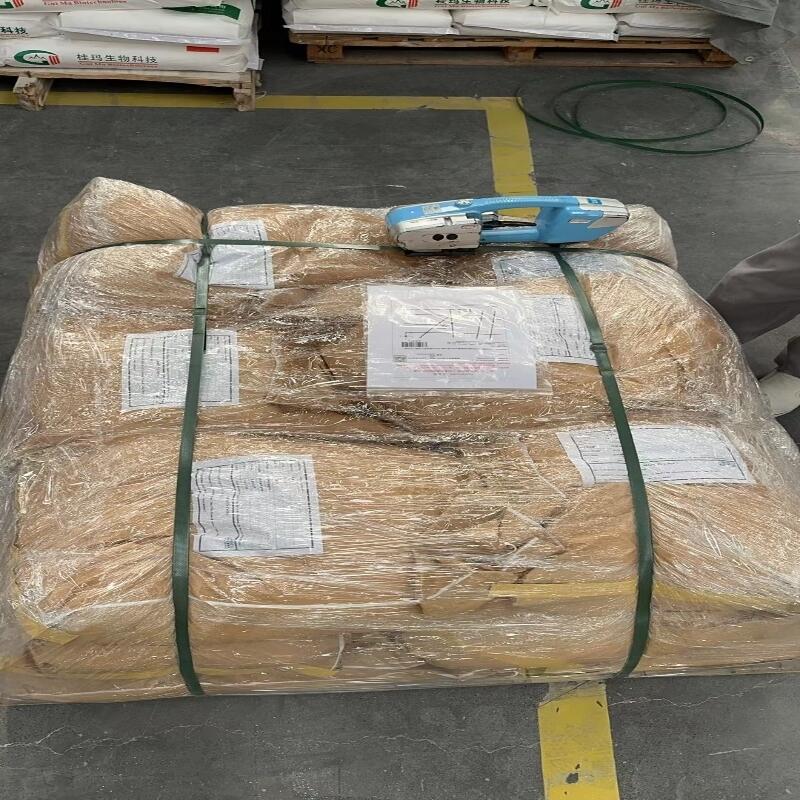
| Bags | 20 kg/bag, 25 kg/bag |
| Cardboard Drums | 25 kg/drum |
| Plastic Bags (Small Packaging) | 50 g, 250 g, 1000 g |
| Custom Packaging | Available upon request |
Packaging Requirements:
-
Moisture-proof plastic or woven bags
-
Airtight seal
-
Label: Product name, composition, dates, instructions
Storage:
-
Store in cool, dry, and well-ventilated area
-
Avoid exposure to moisture and rain
-
Keep container tightly closed and place in a cool, dry, well-ventilated condition
-
Store under inert gas
For more information about Zinc Propionate (CAS 557-28-8), including pricing, MOQ, certificates of analysis, technical data sheets, and samples, please contact us directly.







 Egypt
Egypt