




Active Pharmaceutical Ingredients
- • Respiratory Drugs (114)
- • Hormones and the Endocrine System (279)
- • Antipyretic Analgesics (173)
- • Antiallergic Drugs (103)
- • Antiparasitic Drugs (130)
- • Antibiotics (545)
- • Antineoplastic Agents (294)
- • Anesthetic Agents (79)
- • Urinary System Drugs (52)
- • Other Chemical Drugs (947)
- • Synthetic Anti-infective Drugs (599)
- • Nervous System Drugs (349)
- • Fluid, Electrolyte, and Acid-base Balance (48)
- • Vitamins and Minerals Medicines (106)
- • Digestive System Drugs (197)
- • Blood System Drugs (85)
- • Circulatory System Drugs (426)
- • Diagnostic Agents (58)
- • Specialty Drugs (107)
- • Drug Metabolism (23)
- • Feed Additive (22)
- • Anti-stress Drugs (1)
- • Drugs Influencing Immune Function (14)
- • Veterinary Raw Materials (25)
- • Inhibitor Drugs (82)
Related News
-
Limin builds a joint laboratory with Sichuan Industrial Institute of Antibiotics
2022-11-23 -
Market Analysis of Veterinary Drug Raw Materials
2022-08-02 -
Market Analysis of Veterinary Drug Raw Materials
2022-04-28 -
Bulk Pharmaceutical Raw Material Trend
2022-03-25 -
What does amoxicillin do
2022-03-03 -
Market Analysis of Veterinary Drug Raw Materials
2022-02-11


APIs for Antibiotics
Antibiotics
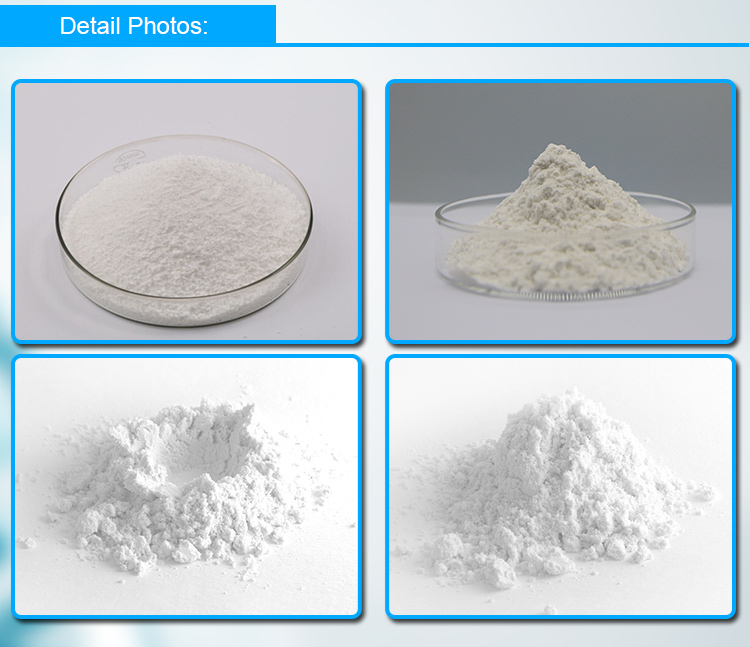
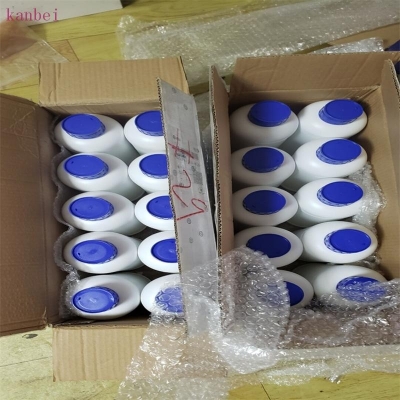
Get Antibiotics Raw Materials by RegionCefetamet pivoxil hydrochloride
(111696-23-2)-

Pharmaceutical Grade / 99%
-

-

Industrial Grade / 99%
-



Request for quotation , get quotes from more suppliers.
Netilmicin sulfate
(56391-57-2)-

Pharmaceutical Grade / 99%
-

Pharmaceutical grade / 99%
-

- / 99.00%
-


Request for quotation , get quotes from more suppliers.
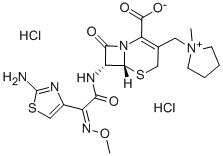
Cefeprime dihydrochloride
(107648-80-6)-

Industrial Grade / pharmaceutical grade / 99%
-

Industrial Grade / 99.0%
-

-


Request for quotation , get quotes from more suppliers.
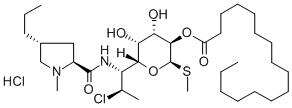
Clindamycin palmitate hydrochloride
(25507-04-4)-

Industrial Grade, Feed Grade, Food Grade, Pharma Grade / 99%
-

- / 99.00%
-

Analytical Reagent / 99%
-



Request for quotation , get quotes from more suppliers.
-

Pharmaceutical Grade / 99%
$12-14/MT FOB
-

Pharmaceutical Grade / 99%
-

Pharmaceutical Grade / 99%
-

Pharmaceutical Grade / -



Netilmicin
(56391-56-1)-

Industrial Grade / 99%
-

-

-

Industrial Grade / 99%


Request for quotation , get quotes from more suppliers.
-

Pharmaceutical Grade / 99.5%
-

Industrial Grade / pharmaceutical grade / 99%
-

Industrial Grade / 99%
-

- / 99.00%


Request for quotation , get quotes from more suppliers.
Cefadroxil monohydrate
(66592-87-8)-

Pharmaceutical Grade / 98%
-

Pharmaceutical Grade / 99%
-

Pharmaceutical Grade / 99%
-

Pharmaceutical Grade / 99%
$1/KG EXW



Request for quotation , get quotes from more suppliers.
Ceftriaxone disodium hemiheptahydrate
(104376-79-6)-

pharmaceutical grade/food grade / 99%
-

Pharmaceutical Grade / 99%
-

Pharmaceutical Grade / 99%
-

Pharmaceutical grade / 99%



Request for quotation , get quotes from more suppliers.
-

Industrial Grade / pharmaceutical grade / 99%
-

- / 99.00%
-

-

Pesticide Grade / 97%


More Information
Antibiotics, powerful medications combating bacterial infections, are vital in treating a range of bacterial illnesses. They work by inhibiting bacterial growth or destroying bacteria altogether. Various types cater to specific infections like sinusitis or pneumonia, each with different timelines on how long do antibiotics take to work. When untreated, bacterial infections can lead to severe health issues and complications.
Causes of Bacterial Infections:
Bacterial infections arise due to exposure to harmful bacteria. Common causes include:
● Contaminated food or water
● Close contact with infected individuals
● Compromised immune systems
Frequently Asked Questions
Antibiotics are medicinal substances used to treat bacterial infections by either killing bacteria or inhibiting their growth. They target specific components of bacterial cells—such as cell walls, protein synthesis machinery, or DNA replication processes—without affecting human cells. Common types include penicillins, cephalosporins, tetracyclines, and macrolides. Understanding how antibiotics function is essential for appropriate clinical use and preventing antimicrobial resistance.
Broad-spectrum antibiotics are effective against a wide range of bacteria, including both Gram-positive and Gram-negative types, and are often used when the causative pathogen is unknown. Narrow-spectrum antibiotics target specific groups or species of bacteria and are preferred when the infection source is identified, as they minimize disruption to beneficial microbiota and reduce the risk of resistance development. Choosing the right spectrum is crucial for effective treatment and antibiotic stewardship.
Most antibiotics should be stored in a cool, dry place away from direct sunlight and moisture. Some liquid formulations or reconstituted antibiotics require refrigeration (typically between 2°C and 8°C) and must be used within a specified timeframe after mixing. Always follow the manufacturer’s storage instructions on the label or package insert. Improper storage can degrade the active ingredients, reducing potency and potentially compromising treatment outcomes.
When sourcing pharmaceutical-grade antibiotics, buyers should evaluate:1. Regulatory compliance—ensure the supplier holds valid GMP, FDA, EMA, or other relevant certifications.2. Quality documentation—including Certificates of Analysis (CoA), stability data, and impurity profiles.3. Supply chain reliability and batch-to-batch consistency.4. Technical support and regulatory filing assistance (e.g., DMF availability).Selecting a reputable supplier ensures product safety, efficacy, and adherence to global pharmacopeial standards such as USP or EP.
Yes, antibiotics are widely used in veterinary medicine to treat bacterial infections in animals. While some active ingredients overlap with those used in humans (e.g., amoxicillin, enrofloxacin), veterinary formulations may differ in dosage, excipients, or delivery methods. Human-grade and veterinary-grade antibiotics are manufactured under different regulatory frameworks and should not be interchanged without veterinary or medical supervision. Responsible use in both sectors is critical to combat antimicrobial resistance.