




Cosmetic Ingredient
- • Abrasive (124)
- • Absorbent (84)
- • Anticaking (66)
- • Anticorrosive (25)
- • Antifoaming (19)
- • Antimicrobials (291)
- • Antioxidant Ingredient (392)
- • Antiperspirant (20)
- • Antiplaque (48)
- • Anti-seborrheic (38)
- • Anti-sebum (38)
- • Antistatic (457)
- • Astringent (162)
- • Binding Agent (171)
- • Bleaching Agent (53)
- • Buffering (190)
- • Bulking (109)
- • Chelating (122)
- • Cleansing (680)
- • Cosmetic Colorant (212)
- • Cosmetic Preservative (158)
- • Denaturant (45)
- • Deodorant (98)
- • Depilatory (27)
- • Dissolving Agent (297)
- • Emollient (795)
- • Emulsifying Agent (481)
- • Emulsion Stabilising (153)
- • Exfoliating (19)
- • Film Forming (299)
- • Flavouring (72)
- • Foam Boosting (161)
- • Foaming (101)
- • Fragrance Ingredient (732)
- • Gel Forming (19)
- • Hair Conditioning (672)
- • Hair Dyeing (363)
- • Hair Fixing (36)
- • Hair Waving or Straightening (45)
- • Humectant (281)
- • Hydrotrope (92)
- • Keratolytic (20)
- • Light Stabilizer (77)
- • Moisturising Agent (50)
- • Nail Conditioning (42)
- • Occlusive (20)
- • Opacifying (119)
- • Oral Care (123)
- • Oxidising (19)
- • Perfuming (2106)
- • Plasticiser (98)
- • Propellant (19)
- • Reducing (51)
- • Refatting (12)
- • Refreshing (27)
- • Skin Cleansing (387)
- • Skin Conditioning (1747)
- • Skin Humectant (21)
- • Skin Protecting (281)
- • Smoothing (32)
- • Soothing (72)
- • Tonics (155)
- • UV Filter (33)
- • Viscosity Controlling (530)
Chemicals as Skincare Ingredients
Related News
-
Analysis on the supply and demand of anticorrosive coating industry in China2020
2020-04-21 -
The development trend of heavy-duty anticorrosive coatings industry in China
2019-08-30 -
Technical Regulations for the Application of Anticorrosive Coatings for Steel
2019-07-11 -
Development Trend of Anticorrosive Coatings Technology and Market in China
2019-06-28 -
Technical Formula-Water-borne Epoxy Anticorrosive Coatings
2019-06-25 -
Study on Key Influencing Factors of Performance of Anticorrosive Coatings
2019-06-25


Anticorrosive
Anticorrosive
Diammonium hydrogen phosphate
(7783-28-0)-

Chemical Grade / 99%
$1/KG FOB
-

Food Grade / -
-

- / 99.00%
-



Dipotassium phosphate
(7758-11-4)-

Cosmetics Grade / 99%
-

Chemical Grade / 99%
$1/KG FOB
-
 White Powder CAS 7785-84-4")
-

- / 99%


Disodium pyrophosphate
(7758-16-9)-

Cosmetics Grade / 99%
$1550-1780/MT FOB
-

Food Grade / 99%
-

-

- / 0.00%


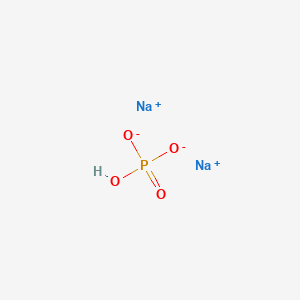
Disodium phosphate
(7558-79-4)-

Food Grade / 99%
-

Industrial Grade / 98%
$800-900/MT FOB
-

- / 90.00%
-

- / 99.00%


Dipotassium oxalate
(583-52-8)-

Chemical Grade / 99%
$1600-2080/MT FOB
-

Industrial Grade / 99%
-

pharmaceutical grade / 99%
-

Pharmaceutical Grade / 99.5%


Request for quotation , get quotes from more suppliers.
Source Anticorrosive Products Supply
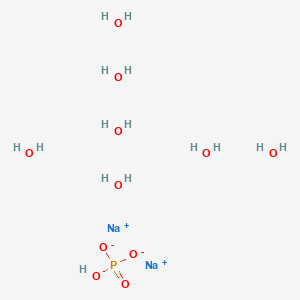
Disodium hydrogen phosphate heptahydrate
(7782-85-6)-

- / 99.00%
-

Industrial Grade / 99%
-

Industrial Grade / 99%
-

Industrial Grade / 95%


Request for quotation , get quotes from more suppliers.
More Information
Anticorrosive substances are essential additives employed to mitigate or altogether prevent the corrosion of packaging materials. The fundamental principle governing the effectiveness of anticorrosive substances revolves around their ability to create a protective barrier that shields the surface of the packaging material from corrosive elements.
The mechanism by which anticorrosive substances operate involves the deposition of a protective layer onto the surface of the packaging material. This layer may comprise chemical compounds or coatings that possess corrosion-resistant properties.
Main components of anticorrosive substances:
• Corrosion inhibitors
• Passivating agents
• Protective coatings
• pH modifiers
• Oxygen scavengers
• Metal deactivators
Frequently Asked Questions
An anticorrosive is a substance or coating applied to materials—typically metals—to prevent or slow down corrosion caused by oxidation, moisture, or chemical exposure. Anticorrosives work by forming a protective barrier that isolates the metal surface from corrosive elements like water, oxygen, or salts. Common types include paints, primers, inhibitors, and galvanization coatings, each tailored to specific environments and material types.
Anticorrosive products are widely used across industries where metal degradation poses safety, performance, or cost concerns. Key applications include:1. Marine and offshore structures exposed to saltwater.2. Oil and gas pipelines and storage tanks.3. Automotive components like chassis and exhaust systems.4. Infrastructure such as bridges, railways, and reinforced concrete.5. Industrial machinery and equipment in chemical plants.Selecting the right anticorrosive solution depends on environmental conditions, substrate material, and required service life.
Choosing the right anticorrosive coating involves evaluating several factors:1. **Environment**: Is the structure exposed to humidity, salt spray, chemicals, or extreme temperatures?2. **Substrate type**: Steel, aluminum, or other metals require compatible formulations.3. **Regulatory compliance**: Ensure the product meets industry standards (e.g., ISO 12944, NACE, ASTM).4. **Application method**: Consider whether brush, spray, or dip application is feasible.5. **Durability and maintenance**: Assess expected lifespan and recoating intervals.Consulting with certified suppliers or corrosion engineers can help optimize performance and cost-efficiency.
Yes, environmentally friendly anticorrosive solutions have gained traction due to stricter regulations and sustainability goals. These include:• Water-based coatings with low VOC (volatile organic compound) content.• Zinc-rich primers using non-toxic binders.• Bio-based corrosion inhibitors derived from natural sources.• Powder coatings that produce minimal waste.When selecting green anticorrosives, verify certifications like Green Seal, EcoLabel, or compliance with REACH and RoHS directives to ensure genuine environmental benefits without compromising protection.
Anticorrosive paint is specifically engineered to protect metal surfaces from rust and chemical degradation, whereas regular paint is primarily decorative. Anticorrosive paints contain active ingredients like zinc phosphate, micaceous iron oxide (MIO), or metallic zinc that inhibit corrosion electrochemically or act as physical barriers. They also adhere better to prepared metal substrates and often require surface treatments like sandblasting before application. Regular paints lack these protective properties and may even trap moisture, accelerating corrosion underneath.