




Cosmetic Ingredient
- • Abrasive (124)
- • Absorbent (84)
- • Anticaking (66)
- • Anticorrosive (25)
- • Antifoaming (19)
- • Antimicrobials (291)
- • Antioxidant Ingredient (392)
- • Antiperspirant (20)
- • Antiplaque (48)
- • Anti-seborrheic (38)
- • Anti-sebum (38)
- • Antistatic (457)
- • Astringent (162)
- • Binding Agent (171)
- • Bleaching Agent (53)
- • Buffering (190)
- • Bulking (109)
- • Chelating (122)
- • Cleansing (680)
- • Cosmetic Colorant (212)
- • Cosmetic Preservative (158)
- • Denaturant (45)
- • Deodorant (98)
- • Depilatory (27)
- • Dissolving Agent (297)
- • Emollient (795)
- • Emulsifying Agent (481)
- • Emulsion Stabilising (153)
- • Exfoliating (19)
- • Film Forming (299)
- • Flavouring (72)
- • Foam Boosting (161)
- • Foaming (101)
- • Fragrance Ingredient (732)
- • Gel Forming (19)
- • Hair Conditioning (672)
- • Hair Dyeing (363)
- • Hair Fixing (36)
- • Hair Waving or Straightening (45)
- • Humectant (281)
- • Hydrotrope (92)
- • Keratolytic (20)
- • Light Stabilizer (77)
- • Moisturising Agent (50)
- • Nail Conditioning (42)
- • Occlusive (20)
- • Opacifying (119)
- • Oral Care (123)
- • Oxidising (19)
- • Perfuming (2106)
- • Plasticiser (98)
- • Propellant (19)
- • Reducing (51)
- • Refatting (12)
- • Refreshing (27)
- • Skin Cleansing (387)
- • Skin Conditioning (1747)
- • Skin Humectant (21)
- • Skin Protecting (281)
- • Smoothing (32)
- • Soothing (72)
- • Tonics (155)
- • UV Filter (33)
- • Viscosity Controlling (530)
Chemicals as Skincare Ingredients
Related News


Antimicrobials
Antimicrobials
-

Chemical Grade / 99%
$1/KG FOB
-

Pharmaceutical Grade / 99%
-

Industrial Grade / 99%
$10-13/KG FOB
-

- / 99.00%



Request for quotation , get quotes from more suppliers.
-

Chemical Grade / 99%
$1/G FOB
-

Pharmaceutical Grade / 99%
$12-14/MT FOB
-

Pharmaceutical Grade / 99%
$5-6/MT FOB
-

Pharmaceutical Grade / 99%
$66-77/G FOB


Request for quotation , get quotes from more suppliers.
Usnic acid
(125-46-2)-

Cosmetics Grade / 98%
-

Chemical Grade / 99%
$10-12/UNIT FOB
-

Industrial Grade / 99.0%
-



Request for quotation , get quotes from more suppliers.
Cetyldimethylethylammonium bromide
(124-03-8)-

- / 99.00%
-

Industrial Grade / 99%
-

Industrial Grade / 99.0%
-




Request for quotation , get quotes from more suppliers.
Aluminum acetate
(139-12-8)-

Chemical Grade / 99%
$1/G FOB
-

Pharmaceutical Grade / 99%
$12-14/MT FOB
-

Pharmaceutical Grade / 99%
$5-6/MT FOB
-

Reagent Grade / 99%
$8-9/KG FOB

Request for quotation , get quotes from more suppliers.
Chlorophene
(120-32-1)-

Pharmaceutical Grade / 99%
-

Industrial Grade / 98%
-

Industrial Grade / 99%
-

- / 99.00%


Request for quotation , get quotes from more suppliers.
-

Cosmetics Grade / 99%
-

- / 99.00%
-

- / 99.00%
-

Pharmaceutical Grade / 99%


Request for quotation , get quotes from more suppliers.
-

- / 0.00%
-

Top Product / 0%
-

-




Request for quotation , get quotes from more suppliers.
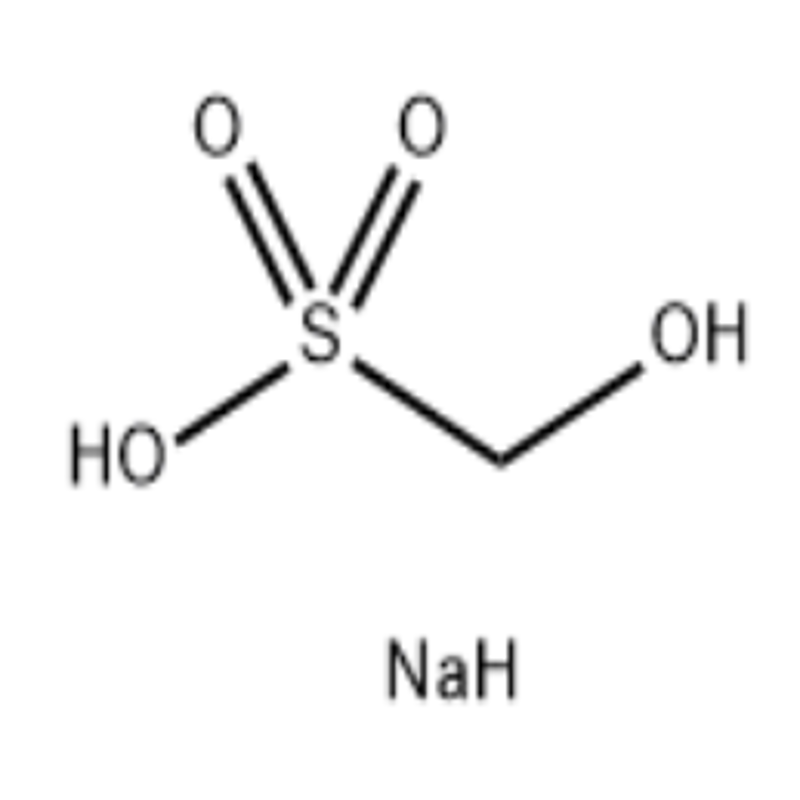
Sodium hydroxymethanesulfonate
(870-72-4)-

Pharmaceutical Grade / 99%
-

Pharmaceutical Grade / 99%
-

-

Reagent Grade / 99%
$5-6/KG FOB


Request for quotation , get quotes from more suppliers.
-

Pharmaceutical Grade / 99%
-

Pharmaceutical Grade / 99%
-
 84776-26-1 Factory Supply Raw Materials High Qulity Wholesale price")
USP / EP / BP / JP Grade / 99.9%
-

- / 2.5%


Request for quotation , get quotes from more suppliers.
Source Antimicrobials Raw Materials by Region

More Information
Antimicrobial agents are used to inhibit the growth and spread of harmful microorganisms in the body. These agents are essential tools in combating bacterial, viral, and fungal infections, working to disrupt the mechanisms that allow these microbes to thrive.
Antimicrobial agents work by targeting and disrupting the vital functions of microorganisms, such as bacteria, viruses, or fungi, impeding their ability to grow and reproduce. Through various mechanisms, these agents effectively neutralize or inhibit the infectious organisms, promoting the elimination of the threat.
Causes of microbial infections
•Exposure to harmful bacteria, viruses, or fungi.
•Weakened immune system due to factors like stress or medical conditions.
•Poor hygiene practices or contaminated environments.
Frequently Asked Questions
Antimicrobials are substances that kill or inhibit the growth of microorganisms such as bacteria, viruses, fungi, and parasites. They include antibiotics, antivirals, antifungals, and antiparasitics. Antimicrobials work by targeting specific cellular processes in microbes—such as cell wall synthesis, protein production, or DNA replication—thereby stopping their ability to multiply or survive. Understanding how antimicrobials function is essential for appropriate use in both human and veterinary medicine.
Antibiotics are a subset of antimicrobials that specifically target bacteria. In contrast, antimicrobials is a broader term that encompasses all agents used against various types of microorganisms, including bacteria (antibiotics), viruses (antivirals), fungi (antifungals), and parasites (antiparasitics). While all antibiotics are antimicrobials, not all antimicrobials are antibiotics. This distinction is important for accurate diagnosis and treatment of infections.
Antimicrobial resistance (AMR) occurs when microorganisms evolve mechanisms to withstand the effects of antimicrobial drugs, rendering treatments ineffective. This phenomenon is accelerated by the overuse and misuse of antimicrobials in human medicine, agriculture, and animal husbandry. AMR leads to prolonged illnesses, higher medical costs, and increased mortality. Global health organizations like the WHO emphasize responsible antimicrobial stewardship to combat this public health threat.
In agriculture and livestock production, antimicrobials are used to treat and prevent diseases in animals, and historically, to promote growth. However, due to concerns about antimicrobial resistance, many countries now regulate or restrict non-therapeutic use. Responsible practices include using antimicrobials only under veterinary supervision, adhering to withdrawal periods before slaughter, and implementing biosecurity measures to reduce disease risk. These steps help preserve the efficacy of antimicrobials for both animals and humans.
When sourcing antimicrobial products, buyers should evaluate several critical factors:1. Regulatory compliance—ensure the product meets FDA, EMA, or other relevant authority standards.2. Purity and potency—verify through certificates of analysis (CoA) and third-party testing.3. Manufacturer reputation—choose suppliers with GMP certification and transparent quality control systems.4. Intended application—confirm the antimicrobial is suitable for your specific use case (e.g., pharmaceutical, veterinary, or industrial).Making informed decisions supports both product efficacy and global efforts to curb antimicrobial resistance.