




Pharmaceutical Intermediates
- • Analgesics (57)
- • Anesthetics (52)
- • Anti-Addiction Agents (8)
- • Antibacterials (117)
- • Anticonvulsants (20)
- • Antidementia Agents (23)
- • Antidepressants (35)
- • Antiemetics (24)
- • Antifungals (24)
- • Antigout Agents (9)
- • Anti-inflammatory Agents (28)
- • Antimigraine Agents (21)
- • Antineoplastics (427)
- • Antiparasitics (11)
- • Antiparkinson Agents (28)
- • Antipsychotics (54)
- • Antispasticity Agents (12)
- • Antivirals (146)
- • Anxiolytics (16)
- • Blood Glucose Regulators (105)
- • Blood Products (61)
- • Cardiovascular Agents (179)
- • CNS Agents (22)
- • Dental and Oral Agents (8)
- • Dermatological Agents (19)
- • Electrolytes (15)
- • Gastrointestinal Agents (62)
- • Genetic/Enzyme Disorder (12)
- • Genitourinary Agents (47)
- • Immunological Agents (36)
- • Metabolic Bone Disease (6)
- • Ophthalmic Agents (304)
- • Respiratory Tract (51)
- • Skeletal Muscle Relaxants (5)
- • Sleep Disorder Agents (28)
- • Oled Material Intermediate (333)
- • Heterocyclic Compound (9764)
- • Bulk Drug Intermediates (17720)
Related News
-
India Imposes Final Anti‑Dumping Duties on Ethylenediamine from China, EU, Saudi Arabia, and Taiwan, China, with Top Rate of $575/tonne
2026-06-30 -
US Chemical Shutdown Wave Expands, PS Units Become the Hardest Hit Segment
2026-06-30 -
EU mulls expanding tariff scope on Chinese chemicals, sector-wide measures in the pipeline
2026-06-23 -
BASF's Intensified Moves from May to June: Plant Closures, Divestitures, and Transformation in Sync
2026-06-26 -
Hormuz Is Reopening, But Chemical Logistics May Take Months to Recover
2026-06-22 -
Another Major Coating Manufacturer Acquired by a Central SOE: BNBM Acquires SUNROAD Group for Over RMB 300 Million, Locks in Three-Year Performance Pledge
2026-06-29


Antineoplastics Intermediates
Antineoplastics
Benzyloxycarbonyl-L-phenylalanine
(1161-13-3)-

Pharmaceutical Grade / 99%
-

Industrial Grade / pharmaceutical grade / 99%
-

- / 99.00%
-

Research and Industrial Grade / 98.00%


Request for quotation , get quotes from more suppliers.
N-tert-Butoxycarbonyl-D-phenylalanine
(18942-49-9)-

Pharmaceutical Grade / 99%
-

Pharmaceutical Grade / 99%
-

Industrial Grade,Pharma Grade / 99%
-

- / 99.00%


Request for quotation , get quotes from more suppliers.
N-tert-Butoxycarbonyl-L-tryptophan
(13139-14-5)-

Pharmaceutical Grade / 99%
-
![buy N-[(tert-Butoxy)carbonyl]-L-tryptophan13139-14-5]( "N-[(tert-Butoxy)carbonyl]-L-tryptophan13139-14-5")
Pharmaceutical Grade / 99%
-

Industrial Grade / pharmaceutical grade / 99%
-
![buy N-[(tert-Butoxy)carbonyl]-L-tryptophan13139-14-5]( "N-[(tert-Butoxy)carbonyl]-L-tryptophan13139-14-5")
Pharmaceutical Grade / 99%
$50/ EXW

Request for quotation , get quotes from more suppliers.
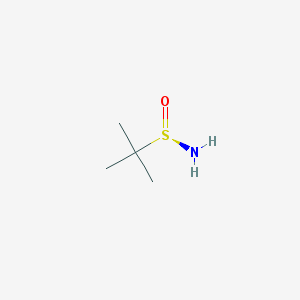
(R)-2-Methylpropane-2-sulfinamide
(196929-78-9)-
-(+)-2-Methyl-2-Propanesulfinamide")
Pharmaceutical Grade / 99%
-
-tert-Butylsulfinamide")
Industrial Grade / pharmaceutical grade / 99%
$1/MT EXW
-
-(+)-2-Methyl-2-propanesulfinamide")
- / 99.00%
-
-2-Methyl-2-propanesulfinamide China manufacture 99%min")


Request for quotation , get quotes from more suppliers.
-

Pharmaceutical Grade / 99%
-

Pharmaceutical Grade / 99%
-

pharmaceutical grade / 98%
-

Pharmaceutical Grade / 99%


Request for quotation , get quotes from more suppliers.
N2-(9-Fluorenylmethoxycarbonyl)-L-glutamine
(71989-20-3)-

Pharmaceutical Grade / 99%
-

Pharmaceutical Grade / 99.5%
-

Pharmaceutical Grade / 99%
-

Industrial Grade,Pharma Grade / 99%


Request for quotation , get quotes from more suppliers.
N-[3-Chloro-4-[(3-fluorophenyl)methoxy]phenyl]-6-iodo-4-quinazolinamine
(231278-20-9)-
![buy N-[3-Chloro-4-(3-fluorobenzyloxy)
phenyl]-6-iodoquinazolin-5-amine]( "N-[3-Chloro-4-(3-fluorobenzyloxy)
phenyl]-6-iodoquinazolin-5-amine")
Pharmaceutical Grade / 99%
-
![buy N-[3-Chloro-4-(3-fluorobenzyloxy)phenyl]-6-iodoquinazolin-4-amine]( "N-[3-Chloro-4-(3-fluorobenzyloxy)phenyl]-6-iodoquinazolin-4-amine")
Pharmaceutical Grade / -
-
![buy N-[3-Chloro-4-(3-fluorobenzyloxy)phenyl]-6-iodoquinazolin-4-amine CAS NO 231278-20-9]( "N-[3-Chloro-4-(3-fluorobenzyloxy)phenyl]-6-iodoquinazolin-4-amine CAS NO 231278-20-9")
Industrial Grade, Feed Grade, Food Grade, Pharma Grade / 99%
-
![buy N-[3-Chloro-4-(3-fluorobenzyloxy)phenyl]-6-iodoquinazolin-4-amine]( "N-[3-Chloro-4-(3-fluorobenzyloxy)phenyl]-6-iodoquinazolin-4-amine")
Pharmaceutical grade / 99%
$2/KG EXW
![buy N-[3-Chloro-4-(3-fluorobenzyloxy)
phenyl]-6-iodoquinazolin-5-amine](https://file.echemi.com/fileManage/upload/cas/821/0cae95a1-dd47-11eb-89d6-0255ac100033.png "N-[3-Chloro-4-(3-fluorobenzyloxy)
phenyl]-6-iodoquinazolin-5-amine")
![buy N-[3-Chloro-4-(3-fluorobenzyloxy)phenyl]-6-iodoquinazolin-4-amine](https://file.echemi.com/fileManage/upload/canonicalSmiles/20220812/dc25d9fd256b4b5899b5fc26913a9f1b.png "N-[3-Chloro-4-(3-fluorobenzyloxy)phenyl]-6-iodoquinazolin-4-amine")
Request for quotation , get quotes from more suppliers.
2-Chloro-6-methylaniline
(87-63-8)-

Pharmaceutical Grade / 99%
-

Pharmaceutical Grade / 99%
-

Industrial Grade / pharmaceutical grade / 99%
-

Industrial Grade / 99%


Request for quotation , get quotes from more suppliers.
-
![buy China Most Professional factory Supply High Quality 5`-deoxy-5-fluore-N-[(pentoyloxy)carbonyl]cytidine 2`,3`-diacetate CAS 162204-20-8]( "China Most Professional factory Supply High Quality 5`-deoxy-5-fluore-N-[(pentoyloxy)carbonyl]cytidine 2`,3`-diacetate CAS 162204-20-8")
Pharmaceutical Grade / 99%
-
![buy High quality 5'-Deoxy-5-fluoro-N-[(pentyloxy)carbonyl]cytidine 2',3'-diacetate CAS NO.162204-20-8]( "High quality 5'-Deoxy-5-fluoro-N-[(pentyloxy)carbonyl]cytidine 2',3'-diacetate CAS NO.162204-20-8")
Pharmaceutical Grade / 99%
-
![buy 5`-deoxy-5-fluore-N-[(pentoyloxy)carbonyl]cytidine 2`,3`-diacetate 99% white powder kanbei]( "5`-deoxy-5-fluore-N-[(pentoyloxy)carbonyl]cytidine 2`,3`-diacetate 99% white powder kanbei")
Pharmaceutical Grade / 99%
-

Pharmaceutical Grade / -
![buy China Most Professional factory Supply High Quality 5`-deoxy-5-fluore-N-[(pentoyloxy)carbonyl]cytidine 2`,3`-diacetate CAS 162204-20-8](https://file.echemi.com/fileManage/upload/goodpicture/20231210/china-most-professional-factory-supply-high-qulity-5-carboxy-2-adamantanone-cas-56674-87-4_b20231210095758761.png "China Most Professional factory Supply High Quality 5`-deoxy-5-fluore-N-[(pentoyloxy)carbonyl]cytidine 2`,3`-diacetate CAS 162204-20-8")
![buy High quality 5'-Deoxy-5-fluoro-N-[(pentyloxy)carbonyl]cytidine 2',3'-diacetate CAS NO.162204-20-8](https://file.echemi.com/fileManage/upload/goodpicture/20231121/high-quality-p-methoxybenzoic-acid-cas-100-09-4_b20231121081753890.jpg "High quality 5'-Deoxy-5-fluoro-N-[(pentyloxy)carbonyl]cytidine 2',3'-diacetate CAS NO.162204-20-8")
![buy 5`-deoxy-5-fluore-N-[(pentoyloxy)carbonyl]cytidine 2`,3`-diacetate 99% white powder kanbei](https://file.echemi.com/fileManage/upload/goodpicture/20230703/m20230703174142805.jpg "5`-deoxy-5-fluore-N-[(pentoyloxy)carbonyl]cytidine 2`,3`-diacetate 99% white powder kanbei")

Request for quotation , get quotes from more suppliers.
(+)-Valinol
(2026-48-4)-
-(+)-2-Amino-3-methyl-1-butanol")
Pharmaceutical Grade / 99%
-
 peptide")
Pharmaceutical Grade / 99.9%
$7.7-9.9/MT FOB
-

Pharmaceutical Grade / 99%
-
-(+)-2-Amino-3-methyl-1-butanol CAS 2026-48-4")
Pharmaceutical Grade / 99%




Request for quotation , get quotes from more suppliers.
Source Antineoplastics Raw Materials by Region


More Information
Antineoplastics are used to inhibit or prevent the growth and spread of neoplastic or cancerous cells in the body. Neoplastic cells arise from genetic mutations or alterations in normal cells, leading to uncontrolled and abnormal growth characteristic of tumors or cancers.
The potential underlying causes of neoplastic growth include genetic predispositions, exposure to carcinogens, viral infections, and compromised immune responses.
Causes of neoplastic:
● Exposure to radiation or certain chemicals.
● Smoking, poor diet, or lack of physical activity.
● Hormonal imbalances or chronic inflammation contribute to neoplastic cell development.
Frequently Asked Questions
Antineoplastics, also known as anticancer drugs or chemotherapeutic agents, are medications used to treat cancer by inhibiting the growth and proliferation of malignant cells. They work through various mechanisms, such as damaging DNA, interfering with cell division, or blocking specific molecular pathways involved in tumor growth. Common classes include alkylating agents, antimetabolites, anthracyclines, and targeted therapies. Understanding their mode of action is essential for effective cancer treatment planning.
Antineoplastic drugs often cause side effects due to their impact on both cancerous and healthy rapidly dividing cells. Common side effects include nausea, vomiting, hair loss, fatigue, bone marrow suppression (leading to anemia or increased infection risk), and mucositis. Some newer targeted antineoplastics may have milder side effect profiles but can still cause specific toxicities like skin rashes or cardiac issues. Managing these side effects is a critical part of oncology care.
In pharmaceutical manufacturing, antineoplastics are typically classified based on their chemical structure and mechanism of action. Major categories include alkylating agents (e.g., cyclophosphamide), antimetabolites (e.g., methotrexate), plant alkaloids (e.g., vincristine), antitumor antibiotics (e.g., doxorubicin), and newer targeted agents like tyrosine kinase inhibitors (e.g., imatinib). This classification helps manufacturers develop appropriate synthesis routes, quality controls, and safety protocols during production.
The production of antineoplastic active pharmaceutical ingredients (APIs) must comply with stringent international quality standards, including Good Manufacturing Practices (GMP) as defined by the FDA, EMA, and ICH guidelines. Due to their high potency and toxicity, additional containment and occupational safety measures—such as those outlined in ISPE’s Risk-Based Manufacture of Pharmaceutical Products (Risk-MaPP)—are often required. Rigorous testing for purity, identity, potency, and impurities is mandatory to ensure patient safety and therapeutic efficacy.
Reputable suppliers implement strict safety protocols for handling and transporting antineoplastic intermediates, which are often classified as hazardous or highly potent compounds. This includes using closed-system transfer devices, specialized containment facilities, and personnel protective equipment (PPE). For transport, materials are packaged according to IATA and UN regulations for dangerous goods, with clear labeling and documentation. Certificates of Analysis (CoA) and Safety Data Sheets (SDS) are provided to ensure regulatory compliance and end-user safety.