




Cosmetic Ingredient
- • Abrasive (124)
- • Absorbent (84)
- • Anticaking (66)
- • Anticorrosive (25)
- • Antifoaming (19)
- • Antimicrobials (291)
- • Antioxidant Ingredient (393)
- • Antiperspirant (20)
- • Antiplaque (48)
- • Anti-seborrheic (38)
- • Anti-sebum (38)
- • Antistatic (457)
- • Astringent (162)
- • Binding Agent (171)
- • Bleaching Agent (53)
- • Buffering (190)
- • Bulking (109)
- • Chelating (122)
- • Cleansing (680)
- • Cosmetic Colorant (212)
- • Cosmetic Preservative (158)
- • Denaturant (45)
- • Deodorant (98)
- • Depilatory (27)
- • Dissolving Agent (297)
- • Emollient (795)
- • Emulsifying Agent (481)
- • Emulsion Stabilising (153)
- • Exfoliating (19)
- • Film Forming (299)
- • Flavouring (72)
- • Foam Boosting (161)
- • Foaming (101)
- • Fragrance Ingredient (732)
- • Gel Forming (19)
- • Hair Conditioning (672)
- • Hair Dyeing (363)
- • Hair Fixing (36)
- • Hair Waving or Straightening (45)
- • Humectant (281)
- • Hydrotrope (92)
- • Keratolytic (20)
- • Light Stabilizer (77)
- • Moisturising Agent (50)
- • Nail Conditioning (42)
- • Occlusive (20)
- • Opacifying (119)
- • Oral Care (123)
- • Oxidising (19)
- • Perfuming (2106)
- • Plasticiser (98)
- • Propellant (19)
- • Reducing (51)
- • Refatting (12)
- • Refreshing (27)
- • Skin Cleansing (387)
- • Skin Conditioning (1747)
- • Skin Humectant (21)
- • Skin Protecting (281)
- • Smoothing (32)
- • Soothing (72)
- • Tonics (155)
- • UV Filter (33)
- • Viscosity Controlling (530)
Chemicals as Skincare Ingredients
Related News
-
EAEU Initiates Review of Anti-Dumping Measures on Chinese Titanium Dioxide, Suspends Duties During Investigation
2026-08-14 -
Premium Global Chemical Sourcing Requests (17-19Aug, 2026)
2026-08-20 -
US Tariff Pressure on Canada Raises Risks for North American Chemical Supply Chains
2026-08-22 -
Premium Global Chemical Sourcing Requests (13-16Aug, 2026)
2026-08-17 -
Premium Global Chemical Sourcing Requests (10-12Aug, 2026)
2026-08-13 -
Business Society’s Market Outlook for Acrylic Acid on August 19, 2026: Weak Rebound
2026-08-19


Raw Materials for Antiperspirants
Antiperspirant
Aluminum sulfate
(10043-01-3)-

-

Chemical Grade / 99%
$1/KG FOB
-

Industrial Grade / 17%
-

Chemical Grade / 99%
$10-12/KG FOB



Aluminum chloride
(7446-70-0)-

Industrial Grade / 98%
-

-

-
")

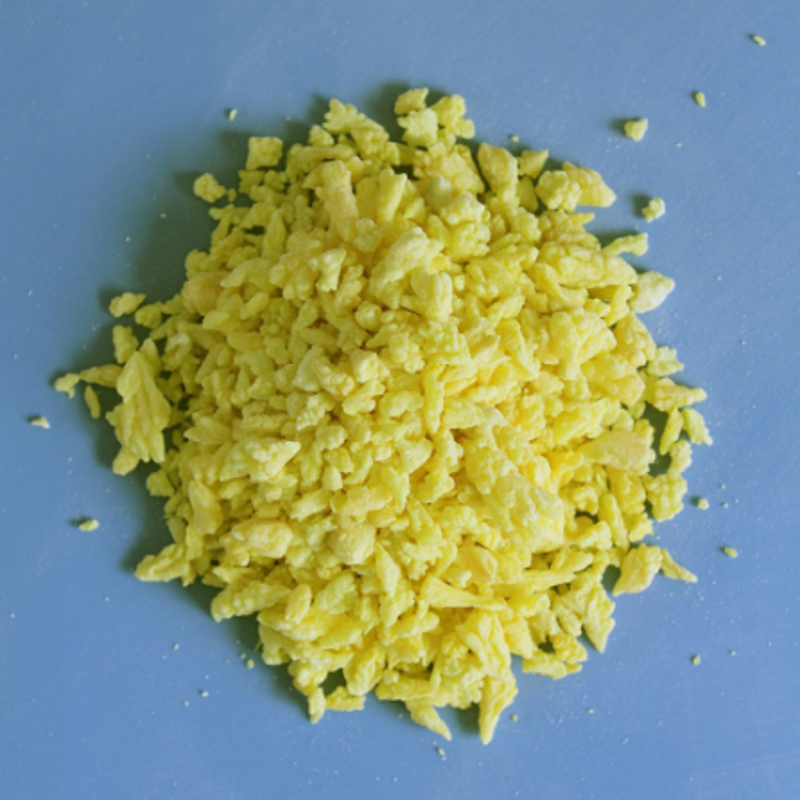


Request for quotation , get quotes from more suppliers.
Ammonium thiocyanate
(1762-95-4)-

Chemical Grade / 99%
$16/KG FOB
-

-

- / 99.00%
-

Reagent Grade / 99%
$5-6/KG FOB


Request for quotation , get quotes from more suppliers.
Aluminum chloride hydroxide (Al2Cl(OH)5)
(12042-91-0)-

Cosmetics Grade / 50%
-

Industrial Grade;food Grade;pharmaceutical Grade / 23%
-

-
 CAS 12042-91-0, Cosmetic/Industrial Grade")
Industrial Grade / 40%


Request for quotation , get quotes from more suppliers.
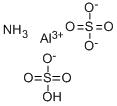
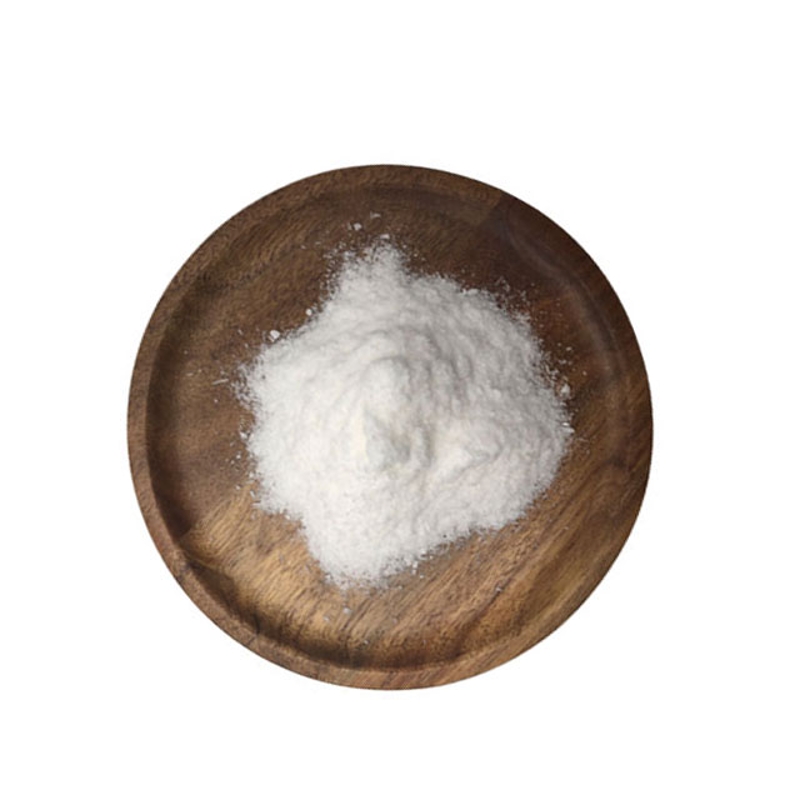
Ammonium aluminum sulfate
(7784-25-0)-

Chemical Grade / 99%
$1/KG FOB
-

-

- / 99.00%
-

Pharmaceutical Grade / 99%


Source Antiperspirant Products Supply
Aluminum Zirconium Octachlorohydrex Gly
(174514-58-0)-

Pharmaceutical Grade / 99%
-

Industrial Grade / 99%
-

-



Request for quotation , get quotes from more suppliers.
-

-

Pharmaceutical Grade / 99%
-

Industrial Grade / 99.0%
-


Request for quotation , get quotes from more suppliers.
Aluminum Zirconium Pentachlorohydrex Gly
(125913-22-6)-

Pharmaceutical Grade / 99%
-

Industrial Grade / 99.0%
-

-


Request for quotation , get quotes from more suppliers.
-

-

Industrial Grade / 99%
-

-


Request for quotation , get quotes from more suppliers.
-

-

Industrial Grade or Medical grade / 99%


Request for quotation , get quotes from more suppliers.
Source Antiperspirant Raw Materials by Region


More Information
Antiperspirants are designed to reduce perspiration. Their primary function is to inhibit the production of sweat, thereby minimizing moisture and odor in areas prone to sweating, such as the underarms.
The mechanism of antiperspirants involves the application of active ingredients, typically aluminum-based compounds like aluminum chloride or aluminum zirconium, to the skin. These compounds form a temporary plug within the sweat ducts, effectively reducing the flow of sweat to the skin's surface. By diminishing perspiration, antiperspirants help maintain dryness and freshness, enhancing comfort and confidence throughout the day.
Common ingredients used in antiperspirants include:
● Aluminum chloride: A potent antiperspirant agent.
● Aluminum zirconium: Another commonly used aluminum-based compound.
● Fragrance and skin conditioners: Additional ingredients are often included to provide a pleasant scent and soothe the skin.
Frequently Asked Questions
An antiperspirant is a personal care product designed to reduce sweat production, primarily in the underarm area. It works by using active ingredients—most commonly aluminum-based compounds—that temporarily block sweat glands. When applied, these compounds form a gel-like plug that reduces the amount of sweat reaching the skin’s surface, helping to keep you dry and minimize body odor.
The main difference lies in their function: antiperspirants reduce sweating by blocking sweat glands, while deodorants only mask or neutralize odor without affecting sweat production. Deodorants often contain antimicrobial agents to kill odor-causing bacteria, whereas antiperspirants include aluminum salts to control moisture. Some products combine both functions for comprehensive underarm protection.
Yes, antiperspirants are generally considered safe for daily use when used as directed. Regulatory agencies like the U.S. FDA and the European Commission have reviewed extensive scientific data and concluded that aluminum-based antiperspirants do not pose significant health risks for most people. However, individuals with sensitive skin or allergies should check ingredient labels and consider fragrance-free or dermatologist-tested options.
When selecting an antiperspirant, consider the following factors:1. Active ingredient concentration—higher levels (e.g., clinical-strength formulas) offer stronger sweat protection.2. Skin sensitivity—opt for hypoallergenic or alcohol-free versions if you have irritation concerns.3. Format preference—sticks, roll-ons, sprays, and creams each offer different application experiences.4. Additional benefits like odor control, moisturizing agents, or 24-hour protection.Choosing based on your lifestyle and skin needs ensures optimal performance and comfort.
While most people tolerate antiperspirants well, some may experience skin irritation or allergic reactions—often due to fragrances, alcohol, or preservatives rather than the active aluminum ingredients. Symptoms can include redness, itching, or rash. To minimize risk, patch-test new products, choose formulations labeled 'for sensitive skin,' and avoid applying immediately after shaving. If irritation persists, consult a dermatologist.