




Active Pharmaceutical Ingredients
- • Respiratory Drugs (114)
- • Hormones and the Endocrine System (279)
- • Antipyretic Analgesics (171)
- • Antiallergic Drugs (103)
- • Antiparasitic Drugs (130)
- • Antibiotics (545)
- • Antineoplastic Agents (294)
- • Anesthetic Agents (79)
- • Urinary System Drugs (52)
- • Other Chemical Drugs (947)
- • Synthetic Anti-infective Drugs (599)
- • Nervous System Drugs (349)
- • Fluid, Electrolyte, and Acid-base Balance (48)
- • Vitamins and Minerals Medicines (106)
- • Digestive System Drugs (197)
- • Blood System Drugs (85)
- • Circulatory System Drugs (426)
- • Diagnostic Agents (58)
- • Specialty Drugs (107)
- • Drug Metabolism (23)
- • Feed Additive (22)
- • Anti-stress Drugs (1)
- • Drugs Influencing Immune Function (14)
- • Veterinary Raw Materials (24)
- • Inhibitor Drugs (81)
Related News


Blood System Drugs APIs
Blood System Drugs
Ferric glycerophosphate
(1301-70-8)-

Pharmaceutical Grade / 99%
-

Industrial Grade,Pharma Grade / 99%
-

- / 99.00%
-

Industrial Grade / 99.0%


Request for quotation , get quotes from more suppliers.
Cloricromen
(68206-94-0)-

Industrial Grade / 99%
-
![buy ethyl 2-[8-chloro-3-[2-(diethylamino)ethyl]-4-methyl-2-oxochromen-7-yl]oxyacetate]( "ethyl 2-[8-chloro-3-[2-(diethylamino)ethyl]-4-methyl-2-oxochromen-7-yl]oxyacetate")
-

-


Request for quotation , get quotes from more suppliers.
FILGRASTIM
(121181-53-1)-

Industrial Grade / pharmaceutical grade / 99%
$1/MT EXW
-

Industrial Grade / 99.0%
-

-



Request for quotation , get quotes from more suppliers.
-

- / 99.00%
-

Industrial Grade / 99%
-

Industrial Grade / 99%
-
-dione,2-phenyl-")



Request for quotation , get quotes from more suppliers.
3-(Trimethylsilyl)-2-propyn-1-ol
(5272-36-6)-

Pharmaceutical Grade / 98%
-

- / 99.00%
-
- 99% transparent liquid KANBEI")
Industrial Grade / 99%
-

Industrial Grade / 99%


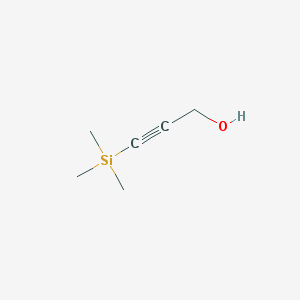
Request for quotation , get quotes from more suppliers.
Phosphoric acid, iron(2+) salt (2:3), octahydrate
(10028-23-6)-

Industrial Grade / 99.0%
-
,diphosphate,octahydrate")
-

-


Request for quotation , get quotes from more suppliers.
OXYCELLULOSE
(9032-53-5)-

Industrial Grade / 99%
-

-

-

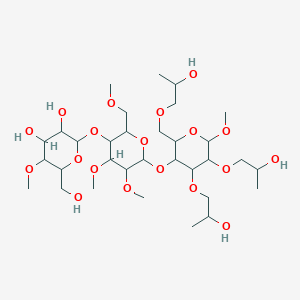

Request for quotation , get quotes from more suppliers.
Daltroban
(79094-20-5)-

Industrial Grade / 99%
-

-

-

Industrial Grade / 99%


Request for quotation , get quotes from more suppliers.
-

- / 99.00%
-

-

Industrial Grade / 99%
-


Request for quotation , get quotes from more suppliers.
-

Industrial Grade / 99%
-

-

-

Industrial Grade / 99%


Request for quotation , get quotes from more suppliers.
Source Blood System Drugs Raw Materials by Region


Frequently Asked Questions
Blood System Drugs are pharmaceutical agents designed to affect the components or functions of the blood. They are commonly used to treat conditions such as anemia, hemophilia, thrombosis, and other coagulation disorders. These drugs may include anticoagulants, antiplatelet agents, hemostatics, and erythropoiesis-stimulating agents. Understanding their mechanisms helps healthcare providers select the most appropriate therapy for specific hematologic conditions.
Anticoagulant medications prevent the formation of blood clots by interfering with the clotting cascade—either by inhibiting thrombin, blocking vitamin K-dependent clotting factors, or targeting specific coagulation proteins like Factor Xa. Common examples include warfarin, heparin, and direct oral anticoagulants (DOACs) such as rivaroxaban and apixaban. These drugs are essential in managing and preventing conditions like deep vein thrombosis (DVT), pulmonary embolism (PE), and stroke in atrial fibrillation.
Common side effects of Blood System Drugs vary depending on the drug class. Anticoagulants and antiplatelet agents may increase the risk of bleeding or bruising. Erythropoiesis-stimulating agents can cause hypertension or thrombotic events. Iron supplements used for anemia might lead to gastrointestinal discomfort. Patients should always be monitored for adverse reactions, and dosing should be adjusted based on clinical response and laboratory parameters such as INR or hemoglobin levels.
Blood System Drugs are subject to stringent regulatory oversight by agencies such as the U.S. FDA, EMA, and other national health authorities. Manufacturers must comply with Good Manufacturing Practices (GMP), conduct rigorous preclinical and clinical trials, and ensure batch-to-batch consistency. Quality control includes testing for purity, potency, sterility (for injectables), and stability. Regulatory compliance ensures these critical medications meet high safety and efficacy standards before reaching patients.
When sourcing Active Pharmaceutical Ingredients (APIs) or intermediates for Blood System Drugs, key considerations include:1. Supplier certification (e.g., GMP, ISO, FDA/EMA inspection history).2. Analytical documentation such as Certificate of Analysis (CoA) and impurity profiles.3. Supply chain reliability and scalability for commercial production.4. Regulatory support including DMFs or CEPs.5. Technical expertise in complex syntheses (e.g., for heparin derivatives or recombinant clotting factors).Selecting a qualified partner minimizes risk and ensures consistent drug performance and patient safety.