




Organic Chemistry
- • Amides (2627)
- • Alcohols, Phenols, Phenol Alcohols (331)
- • Nitrogen Compounds (260)
- • Nitrile Compound (91)
- • Hydrazine or Hydroxylamine Derivatives (213)
- • Quinones (38)
- • Ethers and Derivatives (188)
- • Aldehydes (117)
- • Carboxylic Acids and Derivatives (797)
- • Hydrocarbons and Derivatives (2317)
- • Ketones (79)
- • Inorganic Acid Esters (172)
- • Heterocyclic Ring (357)
- • Organometallic Compounds (977)
- • Organosulfur Compounds (73)
- • Phosphines (726)
- • Organometalate (285)
- • Organic Fluorine Compound (2126)
- • Triazenes (18)
- • Semicarbazides (33)
- • Organoselenium Compounds (28)
- • Nitro Compounds (96)
- • Nitrates (15)
- • Lactones (240)
- • Imines (24)
- • Free Radicals (48)
- • Dioxins and Dioxin-like Compounds (31)
- • Cyanates (31)
- • Coordination Complexes (3059)
- • Boron Compounds (84)
- • Azides (67)
- • Arsenicals (56)
Related News
-
Export warning | since January 1, 2023 in the European Union on imports of Chinese tea will strengthen the controls
2022-12-26 -
Organic coconut oil: One of the best survival and preparedness items to stock up on
2022-11-03 -
Xinhua shares will increase the production capacity of the new flame retardant project by three times
2022-10-28 -
BENEO Push Organic Chicory Root Fiber
2020-06-18 -
Natural ingredients, cleaning and beauty are attracting attention
2019-12-03 -
Strive for more than 2000 certificates of organic products certification
2019-10-18


Carboxylic Acids and Derivatives Featured Products
Sort Carboxylic Acids and Derivatives Alphabetically
Carboxylic Acids and Derivatives
Get Carboxylic Acids and Derivatives Raw Materials by Region4-Hydroxybenzaldehyde
(123-08-0)2. 4-Hydroxybenzaldehyde maintains bactericidal activity when tested against certain bacteria strains. It also displays antioxidant potential when analyzed through assay.
3. It's the important intermediates of pharmaceutical industry and spices. In foreign , it's also used for synthesis of bromoxynil and chloroxynil which are kind of herbicides, and also used in the manufacture of bactericide, photographic emulsifier, nic
-

Cosmetics Grade / 99%
$0.99/KG FOB
-

Industrial Grade / 99%
$0.1-0.12/KG FOB
-

-

- / 0.00%



Request for quotation , get quotes from more suppliers.
4-Hydroxybenzoic acid
(99-96-7)-

Industrial Grade / 99%
-

- / 99.00%
-

Pharmaceutical Grade / 99%
-



Request for quotation , get quotes from more suppliers.
4-Aminobenzoic acid
(150-13-0)-

- / 99%
-

Industrial Grade / 99%
-

-

- / 99.00%



Request for quotation , get quotes from more suppliers.
4-Fluorobenzyl bromide
(459-46-1)4-Fluorobenzyl bromide can be used for the synthesis of glycyrrhetinic acid (GA) derivatives, wh
-

- / 99.00%
-

Pharmaceutical Grade / 99%
-

- / 99%
-

Industrial Grade / 99%
$0.2/KG EXW


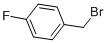
Request for quotation , get quotes from more suppliers.
4-(Chloromethyl)benzoyl chloride
(876-08-4)-
benzoyl chloride 99% liquid Dideu")
Chemical Grade / 99%
$1/KG FOB
-
benzoyl chloride")
-
benzoyl chloride")
- / 99.00%
-
benzoyl chloride")
Industrial Grade / 99%


Request for quotation , get quotes from more suppliers.
Source Carboxylic Acids and Derivatives Products Supply
-

- / 99.00%
-

Reagent Grade / 99%
$50-55/KG FOB
-

Industrial Grade / 99%
-


Request for quotation , get quotes from more suppliers.
4-Iodobenzoyl chloride
(1711-02-0)-

Industrial Grade / 99%
-

Pharmaceutical Grade / 99%
$100/KG EXW
-

Industrial Grade / 99%
-

Industrial Grade / 99.0%



Request for quotation , get quotes from more suppliers.
4-Pyridinepropanoic acid, β-oxo-, ethyl ester
(26377-17-3)-
propionate")
- / 99.00%
-

Industrial Grade, Feed Grade, Food Grade, Pharma Grade / 99%
-

-


Request for quotation , get quotes from more suppliers.
4-Methylpentanoyl chloride
(38136-29-7)-

- / 99.00%
-

industrial Grade / 98%
-

Industrial Grade / 99.00%
-


Request for quotation , get quotes from more suppliers.
-

Reagent Grade / 99%
$50-55/KG FOB
-

Industrial Grade / 99%
-

-


Request for quotation , get quotes from more suppliers.
Frequently Asked Questions
Carboxylic acids and derivatives are a class of organic compounds characterized by the presence of a carboxyl group (–COOH). Common derivatives include esters, amides, acid chlorides, and anhydrides. These compounds play essential roles in pharmaceuticals, agrochemicals, polymers, and food additives due to their reactivity and versatility in chemical synthesis.
Carboxylic acids and their derivatives are widely used across multiple industries:1. In pharmaceuticals, they serve as key building blocks for active pharmaceutical ingredients (APIs).2. In agriculture, they are used to synthesize herbicides, insecticides, and plant growth regulators.3. In polymer manufacturing, derivatives like esters are used to produce plastics, resins, and coatings.4. In the food industry, certain carboxylic acids act as preservatives or flavoring agents, such as citric acid and acetic acid.
When selecting a supplier for carboxylic acids and derivatives, consider the following criteria:1. Certifications such as ISO, GMP, or REACH compliance to ensure quality and regulatory adherence.2. Consistent product purity and batch-to-batch reproducibility verified through analytical data (e.g., HPLC, GC, NMR).3. Scalable production capacity and reliable logistics for timely delivery.4. Technical support and documentation, including safety data sheets (SDS) and certificates of analysis (CoA).Evaluating these factors helps ensure a trustworthy and efficient supply chain.
Safety measures for handling carboxylic acids and derivatives depend on their specific properties, but general precautions include:1. Using appropriate personal protective equipment (PPE) such as gloves, goggles, and lab coats.2. Ensuring adequate ventilation to avoid inhalation of vapors, especially with volatile derivatives like acid chlorides.3. Storing materials in compatible, sealed containers away from moisture, heat, and incompatible substances (e.g., strong bases or oxidizers).4. Consulting the Safety Data Sheet (SDS) for compound-specific hazards and emergency procedures.Proper handling minimizes risks of corrosion, toxicity, or environmental impact.
The quality of carboxylic acids and derivatives used in synthesis is influenced by several factors:1. Raw material purity – impurities can lead to side reactions or reduced yields.2. Synthesis and purification methods – techniques like distillation, crystallization, or chromatography impact final purity.3. Storage conditions – exposure to air, moisture, or light may cause degradation (e.g., hydrolysis of esters or anhydrides).4. Analytical verification – rigorous testing via GC, HPLC, or titration ensures consistency and suitability for intended applications.Maintaining high-quality standards is critical for reproducible and efficient chemical processes.