




Chemical Reagents
- • Deuterated Reagents (124)
- • Organic Reagents (10031)
- • Silane Reagent (852)
- • Chiral Chemicals (24)
- • Grignard Reagent (5)
- • Desulfurizer (22)
Related News
-
What Reagent Is Used To Test For Starch
2022-03-03 -
Meditex Bangladesh2019
2018-11-09 -
International Exhibition for Laboratory Equipment and Chemical Reagents
2017-06-20


Chiral Chemicals Featured Products
Chiral Chemicals
L-Dibenzoyltartaric acid
(2743-38-6)-

-

- / 99.00%
-

-

- / 99.5%

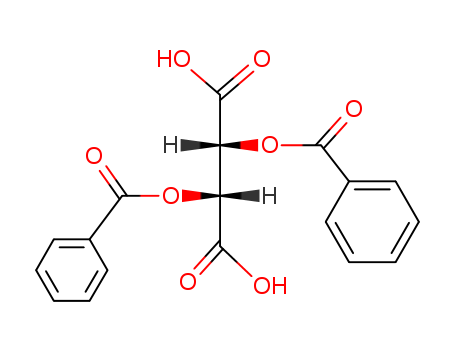
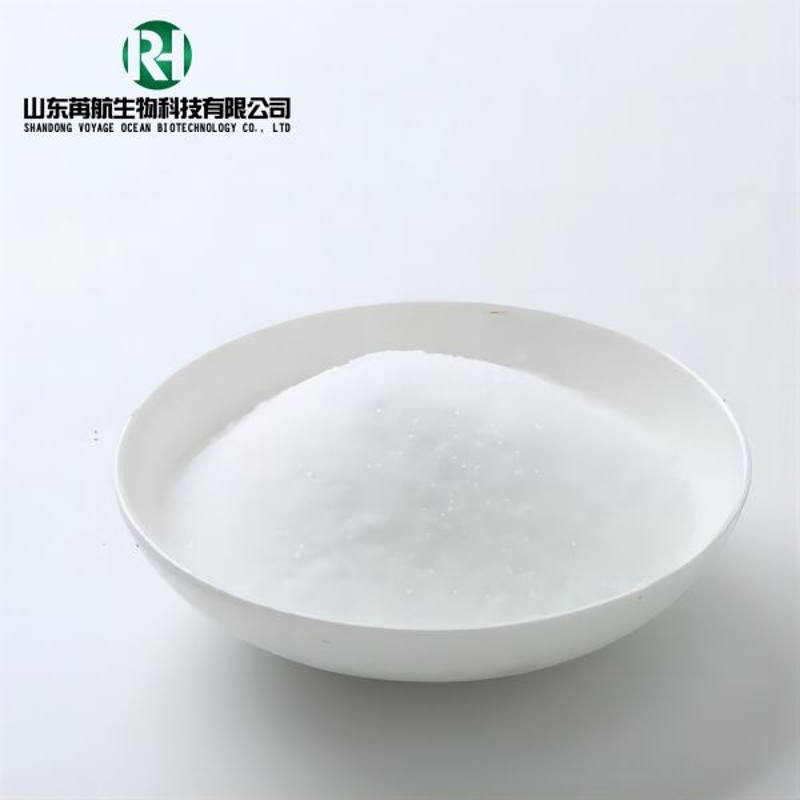
Request for quotation , get quotes from more suppliers.
Linoleyl alcohol
(506-43-4)-

Pesticide Grade / 99%
-
-octadeca-9,12-dien-1-ol")
Industrial Grade / 95%
-

-


Request for quotation , get quotes from more suppliers.
Frequently Asked Questions
Chiral chemicals are molecules that exist as non-superimposable mirror images, known as enantiomers. In pharmaceuticals, different enantiomers can have drastically different biological effects—one may be therapeutic while the other could be inactive or even harmful. This makes chirality critical in drug development, regulatory approval, and manufacturing to ensure safety, efficacy, and compliance with pharmacopeial standards.
Chiral chemicals for industrial applications are typically synthesized using methods such as asymmetric synthesis, chiral resolution, or biocatalysis. Asymmetric synthesis uses chiral catalysts or auxiliaries to favor the production of one enantiomer. Chiral resolution separates racemic mixtures into individual enantiomers, while biocatalysis leverages enzymes for high enantioselectivity. The choice of method depends on cost, scalability, purity requirements, and environmental considerations.
Beyond pharmaceuticals, chiral chemicals are used in agrochemicals (e.g., enantiopure herbicides and pesticides for enhanced efficacy and reduced environmental impact), flavors and fragrances (where specific enantiomers define scent or taste profiles), and advanced materials (such as liquid crystals for displays). Their role in asymmetric catalysis also supports green chemistry initiatives across multiple industries.