




Cosmetic Ingredient
- • Abrasive (124)
- • Absorbent (84)
- • Anticaking (66)
- • Anticorrosive (25)
- • Antifoaming (19)
- • Antimicrobials (290)
- • Antioxidant Ingredient (393)
- • Antiperspirant (20)
- • Antiplaque (48)
- • Anti-seborrheic (38)
- • Anti-sebum (38)
- • Antistatic (457)
- • Astringent (162)
- • Binding Agent (171)
- • Bleaching Agent (53)
- • Buffering (189)
- • Bulking (109)
- • Chelating (122)
- • Cleansing (681)
- • Cosmetic Colorant (212)
- • Cosmetic Preservative (158)
- • Denaturant (45)
- • Deodorant (97)
- • Depilatory (27)
- • Dissolving Agent (297)
- • Emollient (795)
- • Emulsifying Agent (481)
- • Emulsion Stabilising (153)
- • Exfoliating (19)
- • Film Forming (299)
- • Flavouring (72)
- • Foam Boosting (161)
- • Foaming (101)
- • Fragrance Ingredient (731)
- • Gel Forming (19)
- • Hair Conditioning (672)
- • Hair Dyeing (363)
- • Hair Fixing (36)
- • Hair Waving or Straightening (45)
- • Humectant (281)
- • Hydrotrope (92)
- • Keratolytic (20)
- • Light Stabilizer (77)
- • Moisturising Agent (50)
- • Nail Conditioning (42)
- • Occlusive (20)
- • Opacifying (119)
- • Oral Care (123)
- • Oxidising (19)
- • Perfuming (2106)
- • Plasticiser (98)
- • Propellant (19)
- • Reducing (51)
- • Refatting (12)
- • Refreshing (27)
- • Skin Cleansing (387)
- • Skin Conditioning (1747)
- • Skin Humectant (21)
- • Skin Protecting (281)
- • Smoothing (32)
- • Soothing (72)
- • Tonics (155)
- • UV Filter (33)
- • Viscosity Controlling (530)
Chemicals as Skincare Ingredients
Related News
-
Premium Global Chemical Sourcing Requests (3-6Sep.,2026)
2026-09-07 -
Premium Global Chemical Sourcing Requests (10-13Sep.,2026)
2026-09-14 -
UK Opens Formal Review of AkzoNobel–Axalta $25 Billion Merger
2026-09-19 -
U.S. Formally Imposes Antidumping and Countervailing Duty Orders on Chinese L-Lysine
2026-09-19 -
Premium Global Chemical Sourcing Requests (14-16Sep.,2026)
2026-09-17 -
Premium Global Chemical Sourcing Requests (7-9Sep.,2026)
2026-09-10


Cosmetic Colorant
Cosmetic Colorant
Copper
(7440-50-8)-

Industrial Grade / 99%
-

-

Industrial Grade / -
-

Food grade / 99%



Carbon
(7440-44-0)-

Chemical Grade / 100%
-

iIndustrial Grade / 99%
-

- / 99.00%
-


Calcium carbonate
(471-34-1)-

- / 0.00%
-

- / 99.00%
-

- / 99%
-

Food Grade / 99%


Chromium
(7440-47-3)-

Food Grade / 99%
-

- / 99.00%
-

Pharmaceutical Grade / 99%
-

Food Grade / 99.9%


Request for quotation , get quotes from more suppliers.
Carbon black
(1333-86-4)-

Cosmetics Grade / 98%
-

Industrial Grade / 99.99%
-

Pharmaceutical Grade / 99%
-

Chemical Grade / 99%
$1/G FOB


Source Cosmetic Colorant Products Supply
Chromium(III) oxide
(1308-38-9)-
 oxide 99% solid Dideu")
Industrial Grade / 99%
-

-

- / 99.00%
-


Request for quotation , get quotes from more suppliers.
Calcium stearate
(1592-23-0)-

Food Grade/Industrial grade / 98%
$1.28-1.48/KG EXW
-

Food Grade / 99%
-

- / 99%
-



Request for quotation , get quotes from more suppliers.
-

Cosmetics Grade / 95%
-

Cosmetics Grade / 95%
$45-55/KG EXW
-

-

Pharmaceutical Grade;Reagent Grade;Laboratory Grade;Industrial Grade / 98%


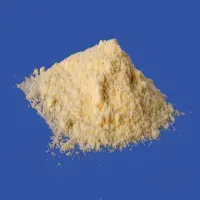

Calcium sulfate
(7778-18-9)-

Cosmetics Grade / 99%
$50/ EXW
-

Industrial Grade / 99%
-

-

- / 99.00%



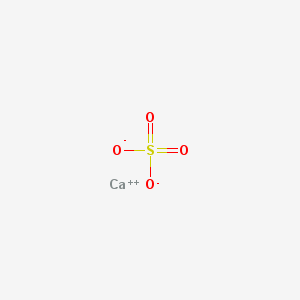
Copper phthalocyanine
(147-14-8)-
 phthalocyanine 99% powder Dideu")
Industrial Grade / 99%
-

- / 99.00%
-

-
 phthalocyanine 147-14-8")


More Information
Cosmetic colorants are essential components in cosmetics, providing vibrant hues and enhancing the aesthetic appeal of various products. The principle behind cosmetic colorants involves the dispersion of pigments or dyes within a cosmetic formulation to impart color to the final product.
The effectiveness of cosmetic colorants relies on their ability to disperse evenly throughout the formulation and adhere to the skin or hair upon application. This dispersion is achieved through interactions between the colorant particles and the base of the cosmetic product, which may include emulsifiers, thickeners, or other stabilizing agents.
Common ingredients of cosmetic colorants:
• Pigments
• Dyes
• Mica
• Iron oxides
Frequently Asked Questions
A cosmetic colorant is a substance used to impart color to cosmetic products such as lipsticks, eyeshadows, foundations, and hair dyes. These colorants can be synthetic (like FD&C dyes) or natural (such as iron oxides or plant-based pigments). They must comply with regional regulatory standards—like those from the FDA in the U.S. or the EU Cosmetics Regulation—to ensure safety for topical use.
Yes, approved cosmetic colorants are generally safe for skin use when they meet regulatory requirements and are used within specified concentration limits. Regulatory bodies like the U.S. FDA and the European Commission maintain lists of permitted color additives, including restrictions based on product type (e.g., eye-area vs. general use). Always verify that your supplier provides colorants compliant with your target market’s regulations.
Common types include:1. **Inorganic pigments** like titanium dioxide and iron oxides—known for stability and opacity.2. **Organic lakes and dyes**, such as D&C Red No. 7, which offer vibrant hues but may require stabilization.3. **Natural colorants**, derived from sources like beetroot or chlorophyll, appealing to clean-beauty markets.4. **Pearlescent pigments**, often made from mica coated with metal oxides, used for shimmer effects.Selection depends on formulation needs, regulatory approval, and consumer preferences.
When selecting a cosmetic colorant supplier, consider:1. **Regulatory compliance**: Ensure they provide documentation proving adherence to FDA, EU, or other relevant standards.2. **Purity and batch consistency**: Reliable suppliers offer certificates of analysis (CoA) and strict quality control.3. **Technical support**: Expertise in formulation compatibility and regulatory guidance adds value.4. **Sustainability and sourcing**: Increasingly important for brands targeting eco-conscious consumers.Choosing a reputable supplier minimizes risk and supports product integrity.
Natural cosmetic colorants can replace synthetics in many applications, but with trade-offs. While they appeal to ‘clean beauty’ trends and often have fewer regulatory restrictions, they may offer less color intensity, lower stability (especially under light or heat), and higher batch-to-batch variability. Advances in encapsulation and extraction technologies are improving their performance. Formulators should test natural alternatives rigorously for shade consistency, shelf life, and compatibility with other ingredients before full-scale adoption.