




Cosmetic Ingredient
- • Abrasive (124)
- • Absorbent (84)
- • Anticaking (66)
- • Anticorrosive (25)
- • Antifoaming (19)
- • Antimicrobials (291)
- • Antioxidant Ingredient (392)
- • Antiperspirant (20)
- • Antiplaque (48)
- • Anti-seborrheic (38)
- • Anti-sebum (38)
- • Antistatic (457)
- • Astringent (162)
- • Binding Agent (171)
- • Bleaching Agent (53)
- • Buffering (190)
- • Bulking (109)
- • Chelating (122)
- • Cleansing (680)
- • Cosmetic Colorant (212)
- • Cosmetic Preservative (158)
- • Denaturant (45)
- • Deodorant (98)
- • Depilatory (27)
- • Dissolving Agent (297)
- • Emollient (795)
- • Emulsifying Agent (481)
- • Emulsion Stabilising (153)
- • Exfoliating (19)
- • Film Forming (299)
- • Flavouring (72)
- • Foam Boosting (161)
- • Foaming (101)
- • Fragrance Ingredient (732)
- • Gel Forming (19)
- • Hair Conditioning (672)
- • Hair Dyeing (363)
- • Hair Fixing (36)
- • Hair Waving or Straightening (45)
- • Humectant (281)
- • Hydrotrope (92)
- • Keratolytic (20)
- • Light Stabilizer (77)
- • Moisturising Agent (50)
- • Nail Conditioning (42)
- • Occlusive (20)
- • Opacifying (119)
- • Oral Care (123)
- • Oxidising (19)
- • Perfuming (2106)
- • Plasticiser (98)
- • Propellant (19)
- • Reducing (51)
- • Refatting (12)
- • Refreshing (27)
- • Skin Cleansing (387)
- • Skin Conditioning (1747)
- • Skin Humectant (21)
- • Skin Protecting (281)
- • Smoothing (32)
- • Soothing (72)
- • Tonics (155)
- • UV Filter (33)
- • Viscosity Controlling (530)
Chemicals as Skincare Ingredients
Related News
-
Polyethylene Probes Bottom and Recovers, Sustainability Remains Uncertain
2026-07-25 -
U.S. Imposes 12.5% Additional Tariff! Nutritional Ingredients Including Creatine, Taurine, and Glucosamine Included in New Section 301 Tariff List
2026-07-30 -
Cost Advantages Support, Polyester Staple Fiber Prices Remain on an Upward Trend
2026-07-26 -
Premium Global Chemical Sourcing Requests (20-22July, 2026)
2026-08-05 -
Cost Values and Demand-Side Game: PP Prices Consolidate After Rising in July
2026-08-02 -
July Titanium Dioxide Market Prices Decline
2026-07-29


Denaturant
Denaturant
Boric acid (H3BO3)
(10043-35-3)-

Chemical Grade / 99%
$1/KG FOB
-

-

Pharmaceutical Grade / 99%
-

Pharmaceutical Grade / 99%



(±)-Camphor
(76-22-2)-

Industrial Grade / 99%
-

-

- / 99.00%
-

- / 99%


Request for quotation , get quotes from more suppliers.
(+)-Camphor
(464-49-3)-

- / 0.00%
-
-Camphor")
- / 99.00%
-

Food Grade / 96%
-

Pharmaceutical Grade / 99%


Request for quotation , get quotes from more suppliers.
Acetone
(67-64-1)-
")
Industrial Grade / 99%

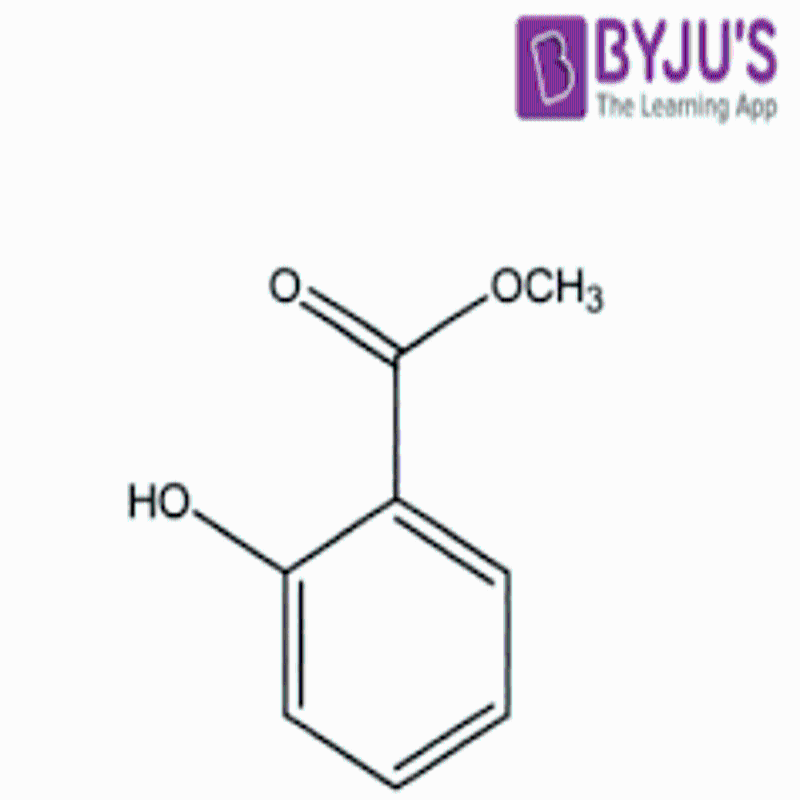
Methyl salicylate
(119-36-8)-

Cosmetics Grade, Pharmacy Grade / 98%
-

Cosmetics Grade / 99%
$50/ EXW
-

-

- / 99.00%


Cinnamaldehyde
(104-55-2)-

- / 99.9%
-

- / 99.00%
-

- / 99.00%
-
")


Request for quotation , get quotes from more suppliers.
-

Pharmaceutical Grade / 99%
-

-

- / 99.00%
-

- / 99%


Request for quotation , get quotes from more suppliers.
Thymol
(89-83-8)-

Food Grade / 99%
-

-

- / 0.00%
-

- / 99.00%


Request for quotation , get quotes from more suppliers.
Diethyl phthalate
(84-66-2)-

Industrial Grade / 99%
-

-

- / 0.00%
-

- / 99.00%


Request for quotation , get quotes from more suppliers.
Ammonium hydroxide
(1336-21-6)-

Industrial Grade / 99.99%
-

Industrial Grade / 99.99%
-

Industrial Grade / 100%
-

Industrial Grade / 25%


Source Denaturant Raw Materials by Region

Frequently Asked Questions
A denaturant is a chemical additive used to render ethanol unfit for human consumption, thereby avoiding alcohol taxation and regulatory restrictions. Common denaturants include methanol, acetone, isopropanol, and denatonium benzoate. Denatured alcohol is widely used as a solvent, fuel, or cleaning agent in industrial, laboratory, and manufacturing settings where potable alcohol is unnecessary.
The most commonly used denaturants vary by region but typically include methanol (in SDA 40B), isopropanol (in SDA 40), acetone, methyl ethyl ketone (MEK), and denatonium benzoate—a bittering agent. In the U.S., formulations follow guidelines from the Alcohol and Tobacco Tax and Trade Bureau (TTB), while the EU adheres to EN 15377 standards. Choosing the right denaturant depends on end-use requirements, safety regulations, and environmental considerations.
Selecting the appropriate denaturant involves considering several factors:1. Intended use (e.g., solvent, disinfectant, or fuel).2. Regulatory compliance in your country or region.3. Toxicity and safety profile—some denaturants like methanol are highly toxic.4. Compatibility with downstream processes or materials.5. Environmental and disposal regulations.Always consult local authorities and safety data sheets (SDS) to ensure legal and safe usage.
Denatured alcohol can be safely handled when proper precautions are followed. Because it often contains toxic or flammable additives like methanol or acetone, users must wear appropriate PPE (gloves, goggles, lab coats), ensure adequate ventilation, and store it away from ignition sources. Always refer to the Safety Data Sheet (SDS) for specific handling, storage, and emergency measures related to the denaturant formulation being used.
No—denaturants are intentionally added to make ethanol undrinkable, and removing them is both illegal in most jurisdictions and extremely dangerous. Many denaturants, such as methanol, form azeotropes with ethanol that cannot be easily separated without specialized distillation equipment. Attempting to purify denatured alcohol poses serious health risks, including blindness or death, and violates alcohol control laws.