




Biochemical Engineering
- • Amino Acids and Proteins (229)
- • Nucleic Acid Drugs (17)
- • Enzymes and Coenzymes Drugs (115)
- • Inhibitors (1095)
- • Biological Response Modifiers (15)
- • Fat Medicines (8)
- • Amino Acids and Derivatives (4202)
- • Saccharides (2379)
- • Biochemical Reagents (344)
- • Nucleoside Drugs (348)
- • Condensing Agent (40)
- • Polypeptide (767)
- • Biosynthetic Natural Products (108)
- • Plant Extracts (827)
- • Chinese Herbs (354)
- • Microbiology Reagents (11)
- • Protein Research (34)
- • Lipids (281)
- • Inflammation Mediators (128)
Related News
-
What is the monomer of an enzyme and its benefits?
2022-10-19 -
Who coined the term enzyme, and how does it work?
2022-08-08 -
Get to know about how does guaiacol work
2022-03-09 -
Functional enzyme development: plant-based wave has spawned new enzymes
2020-08-03 -
Scientists Engineer Plastics-Eating Enzyme
2018-04-18 -
Food and Beverages Among Top Demand Drivers for Industrial Enzymes
2018-02-24


Enzyme Drugs, Coenzyme Medicine
Enzymes and Coenzymes Drugs
Asparaginase
(9015-68-3)-

Pharmaceutical Grade / 99%
-

Industrial Grade / 98%
-

Pharmaceutical grad / 99%
$100/KG EXW
-

Pharmaceutical Grade / 99%


Request for quotation , get quotes from more suppliers.
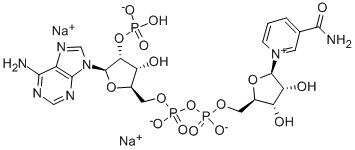
Adenosine 5′-(trihydrogen diphosphate), 2′-(dihydrogen phosphate), P′→5′-ester with 3-(aminocarbonyl)-1-β-D-ribofuranosylpyridinium, inner salt, disodium salt
(24292-60-2)-

- / 99%
-

Industrial Grade / 98%
-

-

- / 99.00%


Request for quotation , get quotes from more suppliers.
Adenosine deaminase
(9026-93-1)-

Pharmaceutical Grade / 99%
-

- / 90%
-

Industrial Grade / 99%
-

Industrial Grade / 99%



Request for quotation , get quotes from more suppliers.
Aspergillopepsin I
(9025-49-4)-

Sodium disilicate,δ-samdwich crystal / 99%
-

Pharmaceutical Grade / 99%
-

- / 99.00%
-

Pharmaceutical Grade / 99%



Request for quotation , get quotes from more suppliers.
Amylase, bacterial
(9000-85-5)-

Industrial Grade / 99%
-

-

- / 99.00%
-

Pharmaceutical Grade / 99%

Request for quotation , get quotes from more suppliers.
Source Enzymes and Coenzymes Drugs Products Supply
-

-

Pharmaceutical Grade / 99%
-

Pharmaceutical grad / 99%
$100/KG EXW
-

Pharmaceutical Grade / 99%


Request for quotation , get quotes from more suppliers.
APAMIN
(24345-16-2)-

- / 99.00%
-

Research and Industrial Grade / 98.00%
-

Cosmetics Grade / 100%
-

Industrial Grade, Feed Grade, Food Grade, Pharma Grade / 99%


Request for quotation , get quotes from more suppliers.
Aspergillus oryzae α-Amylase
(9001-19-8)-

- / 99.00%
-

Industrial Grade / 98%
$100/Unit EXW
-

Pharmaceutical Grade / 99%
-


Request for quotation , get quotes from more suppliers.
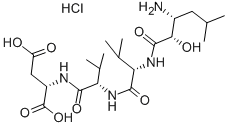
AMASTATIN HYDROCHLORIDE
(100938-10-1)-

Industrial Grade / 99%
-

Industrial Grade / 99.0%
-

-

Industrial Grade / 99%


Request for quotation , get quotes from more suppliers.
Acid phosphatase
(9001-77-8)-

Pharmaceutical Grade / 99%
-

- / 99.00%
-

Pharmaceutical grad / 99%
$100/KG EXW
-

- / 95%


Request for quotation , get quotes from more suppliers.
Source Enzymes and Coenzymes Drugs Raw Materials by Region


Frequently Asked Questions
Enzymes and coenzymes drugs play critical roles in therapeutic applications by facilitating or regulating biochemical reactions in the body. Enzyme-based drugs are commonly used in treatments for digestive disorders (e.g., pancreatic enzyme replacements), thrombolytic therapy (e.g., streptokinase for dissolving blood clots), and enzyme replacement therapy for genetic metabolic diseases like Gaucher’s disease. Coenzymes—such as Coenzyme Q10 or NAD+—support cellular energy production and antioxidant functions, and are often used as supplements or adjunct therapies in cardiovascular, neurological, and mitochondrial disorders.
Enzyme drugs are typically proteins that catalyze specific biochemical reactions and are used directly as therapeutics—for example, asparaginase in leukemia treatment or lactase for lactose intolerance. In contrast, coenzyme drugs are small organic molecules that assist enzymes in their catalytic function but are not active on their own. Common coenzymes include vitamins like B-complex derivatives (e.g., thiamine pyrophosphate) or compounds like CoQ10. While enzyme drugs act as the primary therapeutic agent, coenzymes usually serve supportive or nutritional roles to enhance enzymatic activity or cellular metabolism.
When sourcing enzymes and coenzymes drugs, buyers should evaluate:1. Regulatory compliance—ensure products meet FDA, EMA, or other relevant pharmacopeial standards.2. Purity and activity levels—verified through certificates of analysis (CoA) and bioassays.3. Manufacturing practices—prefer suppliers adhering to cGMP (current Good Manufacturing Practice) guidelines.4. Stability and storage requirements—some enzymes are temperature-sensitive and require cold-chain logistics.5. Supplier reliability—including batch consistency, scalability, and technical support. These criteria help ensure product efficacy, safety, and supply chain integrity.
Most enzyme and coenzyme drugs approved for medical use are considered safe for long-term administration when used under medical supervision and according to prescribed dosages. For instance, pancreatic enzyme replacement therapy (PERT) is routinely used for life in patients with cystic fibrosis or chronic pancreatitis. Coenzyme Q10 is widely tolerated as a dietary supplement over extended periods. However, potential side effects—such as allergic reactions to protein-based enzymes or gastrointestinal discomfort—should be monitored. Always consult healthcare professionals before initiating or continuing long-term use.
Quality control for enzymes and coenzymes drugs involves several standardized tests:1. Potency assays to measure enzymatic activity (e.g., units per milligram).2. Purity assessments via HPLC or electrophoresis to detect impurities or degradation products.3. Microbiological testing to ensure sterility or absence of endotoxins, especially for injectables.4. Identity confirmation using mass spectrometry or NMR.5. Stability studies under ICH guidelines to determine shelf life and storage conditions. These tests are essential to guarantee safety, consistency, and regulatory compliance in pharmaceutical applications.