




Analytical Chemistry
- • Standard (1895)
- • Analysis Reagents (613)
- • Food Safety (411)
- • Liquid Chromatography (43)
Related News


Food Safety Test
Food Safety
-

Industrial Grade / 99%
-

Industrial Grade / 99%
-

-

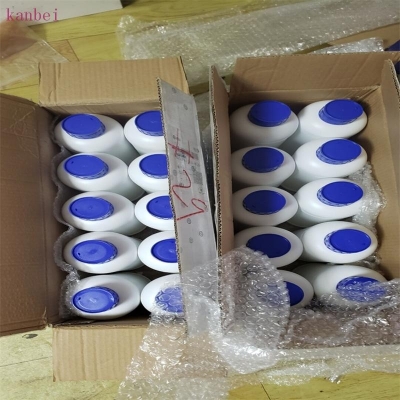

Request for quotation , get quotes from more suppliers.
-

Industrial Grade / 99%
-

-
-13-octadecenoic acid")
-


Request for quotation , get quotes from more suppliers.
-

Industrial Grade / 99.00%
-

-

-

Industrial Grade / 99%


Request for quotation , get quotes from more suppliers.
-

Industrial Grade / 99%
-

-

Industrial Grade / 99%


Request for quotation , get quotes from more suppliers.
Request for quotation , get quotes from more suppliers.
Source Food Safety Raw Materials by Region

Frequently Asked Questions
Food safety refers to the practices and regulations that ensure food is safe for consumption by preventing contamination and reducing the risk of foodborne illnesses. It is critical because unsafe food can lead to serious health issues, including infections from bacteria like Salmonella or E. coli. Proper food safety protocols protect public health, support regulatory compliance, and maintain consumer trust in food products.
The most common causes of food contamination include biological hazards (such as bacteria, viruses, and parasites), chemical hazards (like pesticides, cleaning agents, or allergens), and physical hazards (such as glass or metal fragments). Cross-contamination during handling, improper storage temperatures, and poor hygiene practices are also frequent contributors. Implementing strict hygiene, sanitation, and temperature control measures can significantly reduce these risks.
Businesses can ensure compliance with food safety regulations by following recognized standards such as HACCP (Hazard Analysis and Critical Control Points) or ISO 22000, obtaining necessary certifications, conducting regular staff training, maintaining detailed documentation of food handling procedures, and performing routine audits and inspections. Staying updated on local and international food safety laws—like those from the FDA or EFSA—is also essential for ongoing compliance.
Temperature control is vital in food safety because it prevents the growth of harmful pathogens. Perishable foods must be kept out of the 'danger zone' (40°F–140°F or 4°C–60°C), where bacteria multiply rapidly. Refrigeration slows bacterial growth, while proper cooking temperatures kill pathogens. Monitoring and recording storage and cooking temperatures using calibrated thermometers helps maintain safety throughout the supply chain—from production to service.
Consumers can practice food safety at home by following four key steps: Clean (wash hands and surfaces often), Separate (avoid cross-contamination by keeping raw meats away from ready-to-eat foods), Cook (use a food thermometer to ensure safe internal temperatures), and Chill (refrigerate perishables within two hours). Additionally, checking expiration dates, storing food properly, and reheating leftovers thoroughly help prevent foodborne illness in household settings.