




Cosmetic Ingredient
- • Abrasive (124)
- • Absorbent (84)
- • Anticaking (66)
- • Anticorrosive (25)
- • Antifoaming (19)
- • Antimicrobials (291)
- • Antioxidant Ingredient (393)
- • Antiperspirant (20)
- • Antiplaque (48)
- • Anti-seborrheic (38)
- • Anti-sebum (38)
- • Antistatic (457)
- • Astringent (162)
- • Binding Agent (171)
- • Bleaching Agent (53)
- • Buffering (190)
- • Bulking (109)
- • Chelating (122)
- • Cleansing (680)
- • Cosmetic Colorant (212)
- • Cosmetic Preservative (158)
- • Denaturant (45)
- • Deodorant (98)
- • Depilatory (27)
- • Dissolving Agent (297)
- • Emollient (795)
- • Emulsifying Agent (481)
- • Emulsion Stabilising (153)
- • Exfoliating (19)
- • Film Forming (299)
- • Flavouring (72)
- • Foam Boosting (161)
- • Foaming (101)
- • Fragrance Ingredient (732)
- • Gel Forming (19)
- • Hair Conditioning (672)
- • Hair Dyeing (363)
- • Hair Fixing (36)
- • Hair Waving or Straightening (45)
- • Humectant (281)
- • Hydrotrope (92)
- • Keratolytic (20)
- • Light Stabilizer (77)
- • Moisturising Agent (50)
- • Nail Conditioning (42)
- • Occlusive (20)
- • Opacifying (119)
- • Oral Care (123)
- • Oxidising (19)
- • Perfuming (2106)
- • Plasticiser (98)
- • Propellant (19)
- • Reducing (51)
- • Refatting (12)
- • Refreshing (27)
- • Skin Cleansing (387)
- • Skin Conditioning (1747)
- • Skin Humectant (21)
- • Skin Protecting (281)
- • Smoothing (32)
- • Soothing (72)
- • Tonics (155)
- • UV Filter (33)
- • Viscosity Controlling (530)
Chemicals as Skincare Ingredients
Related News
-
EAEU Initiates Review of Anti-Dumping Measures on Chinese Titanium Dioxide, Suspends Duties During Investigation
2026-08-14 -
Premium Global Chemical Sourcing Requests (17-19Aug, 2026)
2026-08-20 -
US Tariff Pressure on Canada Raises Risks for North American Chemical Supply Chains
2026-08-22 -
Premium Global Chemical Sourcing Requests (13-16Aug, 2026)
2026-08-17 -
Premium Global Chemical Sourcing Requests (10-12Aug, 2026)
2026-08-13 -
Business Society’s Market Outlook for Acrylic Acid on August 19, 2026: Weak Rebound
2026-08-19


Hair Conditioning
Hair Conditioning
Deoxyadenosine
(958-09-8)-

Pharmaceutical Grade / 99%
-

- / 99.00%
-

Top Product / 98%
-

Industrial Grade / 99%


Request for quotation , get quotes from more suppliers.
Diethyl phthalate
(84-66-2)-

Industrial Grade / 99%
-

-

- / 0.00%
-

- / 99.00%



Request for quotation , get quotes from more suppliers.
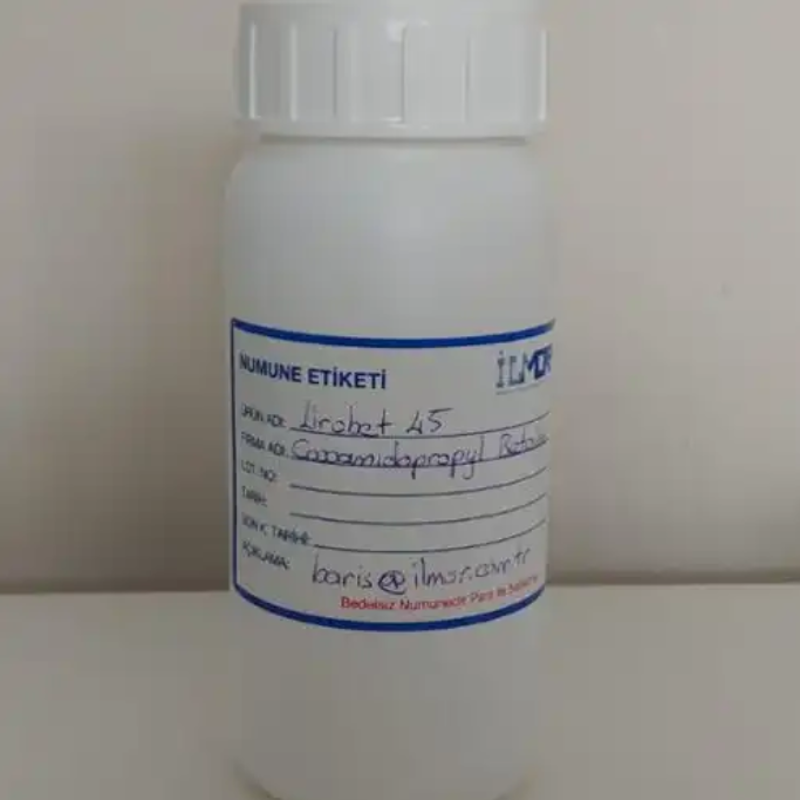
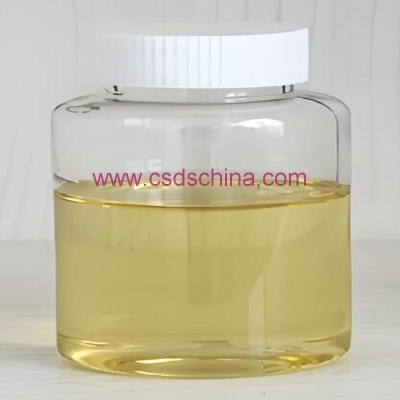
Cocamidopropyl betaine
(61789-40-0)-
 CAS NO: 61789-40-0")
Cosmetics Grade / 35%
-

Cosmetics Grade / 35%
-

Cosmetics Grade / 45%
-

Cosmetics Grade / 35%
$600-730/MT FOB


Request for quotation , get quotes from more suppliers.
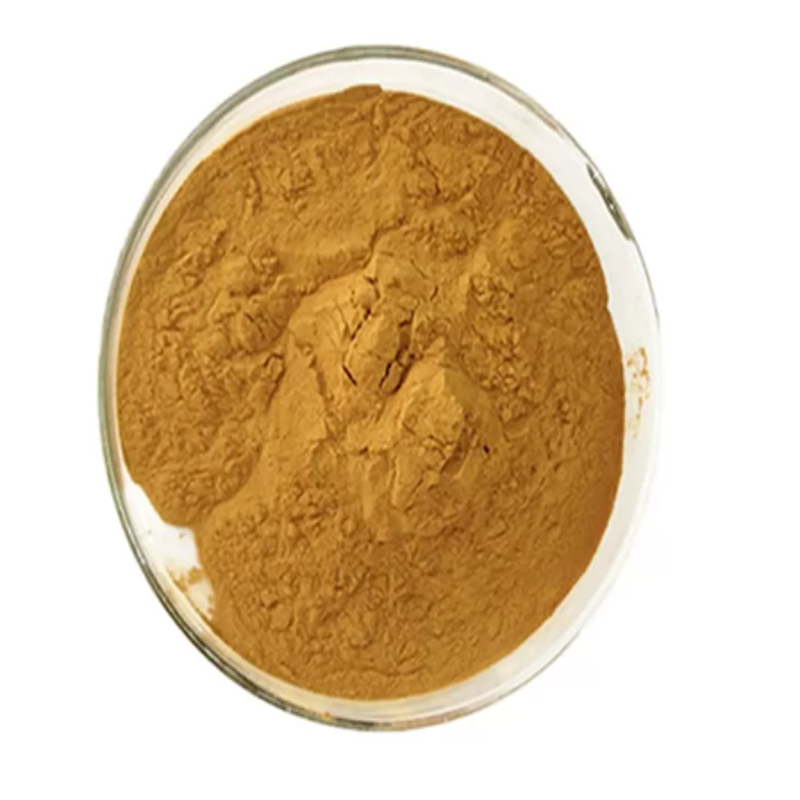
Ginkgo biloba extract
(90045-36-6)Flavonoids in Ginkgo biloba has antioxidant activity, thus can be added as an antioxidant into fats and sweets. Total flavonoids are mostly yellow, and have a wide solubility spectrum including both water-solubility and lipid solubility, so it can play a role of coloring agent. People can process Ginkgo biloba into ultrafine powder and add into food. Grinding ginkgo leaf ultra-finely and adding to cakes, biscuits, noodles, candy, ice cream as 5% to 10% can
-

Medicine /cosmetic Grade / 24%
-

pharmaceutical grade/food grade / 99%
-

Pharmaceutical Grade / 99.0%
-

- / 99.00%

Request for quotation , get quotes from more suppliers.
-

Industrial Grade / 99%
-

-

- / 0.00%
-

- / 99.00%


Request for quotation , get quotes from more suppliers.
-

Cosmetics Grade / 98%
-

Cosmetics Grade / 98%
-

Cosmetics Grade / 99%
$99.99-104.99/KG EXW
-

Cosmetics Grade / -


Request for quotation , get quotes from more suppliers.
Diphenhydramine hydrochloride
(147-24-0)-

Cosmetics Grade / 99%
-

Pharmaceutical Grade / 99%
-

- / 0.00%
-

Top Product / 99%



Request for quotation , get quotes from more suppliers.
-

Cosmetic grade / 99%
-

Cosmetics Grade / 99%
$2.02-2.22/KG EXW
-
 White Powder LanShan")
Food/Cosmetic Grade / -
-

Cosmetics Grade / 75%


Request for quotation , get quotes from more suppliers.
-

Chemical Grade / 98%
$1/KG FOB
-

-

Pharmaceutical Grade / 99%
-

pharmaceutical grade/food grade / 99%


Request for quotation , get quotes from more suppliers.
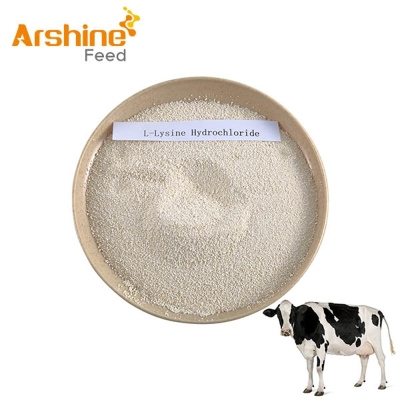
L-Lysine, hydrochloride
(10098-89-2)-

- / 99.00%
-

Food Grade / 99%
-

Feed Grade / 99.2%
-

Pharmaceutical Grade / 99%


Request for quotation , get quotes from more suppliers.
More Information
A hair conditioner is a product used for hair care that can repair the cuticle scales on the surface of the hair, making it smooth and glossy. The cuticle of the hair looks like layers of fish scales under a microscope, which are also called cuticle scales. When shampooing, the cuticle scales open up, and if the wrong hair care product is used, the cuticle scales can become damaged. The main function of hair conditioner is to work on the surface of the hair, smoothing the damaged cuticle scales and creating a softening effect.
The conditioning ingredients adhere to the surface of the hair, forming a hydrophobic protective film around it. This makes the hair smooth and sleek, while also preventing external damage and reducing the loss of proteins and moisture from the hair shaft.
Key ingredients of hair conditioner include:
•Surfactants
•Cationic conditioners
•Emollients
•Oils
Frequently Asked Questions
Hair conditioning refers to the process of using specialized products to improve the texture, manageability, and overall health of hair. It helps restore moisture, reduce frizz, prevent breakage, and enhance shine. Regular conditioning is essential—especially for chemically treated, heat-styled, or dry hair—to maintain strength and protect against environmental damage.
Effective hair conditioners typically contain moisturizing agents like glycerin or panthenol, emollients such as natural oils (e.g., argan, coconut, or jojoba oil), and cationic surfactants like cetrimonium chloride that help detangle and smooth the hair cuticle. Protein-based ingredients (e.g., keratin or hydrolyzed wheat protein) may also be included to strengthen damaged strands. Choosing formulas with these components ensures better hydration and repair.
For most hair types, using a conditioner after every shampoo is recommended—typically 2–3 times per week. However, individuals with very dry, curly, or chemically processed hair may benefit from daily conditioning or using leave-in conditioners. Fine or oily hair types might opt for lighter formulas to avoid buildup. Adjust frequency based on your hair’s porosity, texture, and exposure to styling stressors.
Rinse-out conditioners are used after shampooing and rinsed off immediately—they provide everyday hydration and detangling. Leave-in conditioners are applied post-wash and not rinsed out, offering ongoing protection and softness throughout the day. Deep conditioners are intensive treatments used weekly or biweekly to penetrate the hair shaft and repair significant damage. Each type serves distinct purposes depending on your hair’s needs.
Selecting the right conditioner depends on your hair type and concerns:• For dry or damaged hair: Look for rich, creamy formulas with oils and proteins.• For fine or oily hair: Choose lightweight, silicone-free conditioners that won’t weigh hair down.• For curly or coily hair: Opt for moisturizing, sulfate-free conditioners with humectants.• For color-treated hair: Use conditioners labeled ‘color-safe’ with UV protection to preserve vibrancy.Always read labels and prioritize products free from harsh sulfates, parabens, and alcohol when possible.