




Organic Chemistry
- • Amides (2626)
- • Alcohols, Phenols, Phenol Alcohols (331)
- • Nitrogen Compounds (260)
- • Nitrile Compound (91)
- • Hydrazine or Hydroxylamine Derivatives (213)
- • Quinones (38)
- • Ethers and Derivatives (188)
- • Aldehydes (117)
- • Carboxylic Acids and Derivatives (797)
- • Hydrocarbons and Derivatives (2317)
- • Ketones (78)
- • Inorganic Acid Esters (172)
- • Heterocyclic Ring (357)
- • Organometallic Compounds (977)
- • Organosulfur Compounds (73)
- • Phosphines (726)
- • Organometalate (285)
- • Organic Fluorine Compound (2126)
- • Triazenes (18)
- • Semicarbazides (33)
- • Organoselenium Compounds (28)
- • Nitro Compounds (96)
- • Nitrates (15)
- • Lactones (240)
- • Imines (24)
- • Free Radicals (48)
- • Dioxins and Dioxin-like Compounds (31)
- • Cyanates (31)
- • Coordination Complexes (3059)
- • Boron Compounds (84)
- • Azides (67)
- • Arsenicals (56)
Related News
-
Export warning | since January 1, 2023 in the European Union on imports of Chinese tea will strengthen the controls
2022-12-26 -
Organic coconut oil: One of the best survival and preparedness items to stock up on
2022-11-03 -
Xinhua shares will increase the production capacity of the new flame retardant project by three times
2022-10-28 -
BENEO Push Organic Chicory Root Fiber
2020-06-18 -
Natural ingredients, cleaning and beauty are attracting attention
2019-12-03 -
Strive for more than 2000 certificates of organic products certification
2019-10-18


Hydrazine or Hydroxylamine Derivatives Featured Products
Sort Hydrazine or Hydroxylamine Derivatives Alphabetically
Hydrazine or Hydroxylamine Derivatives
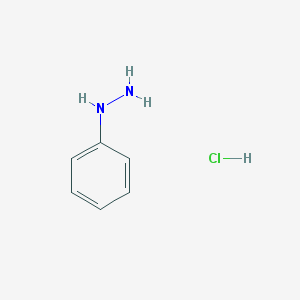
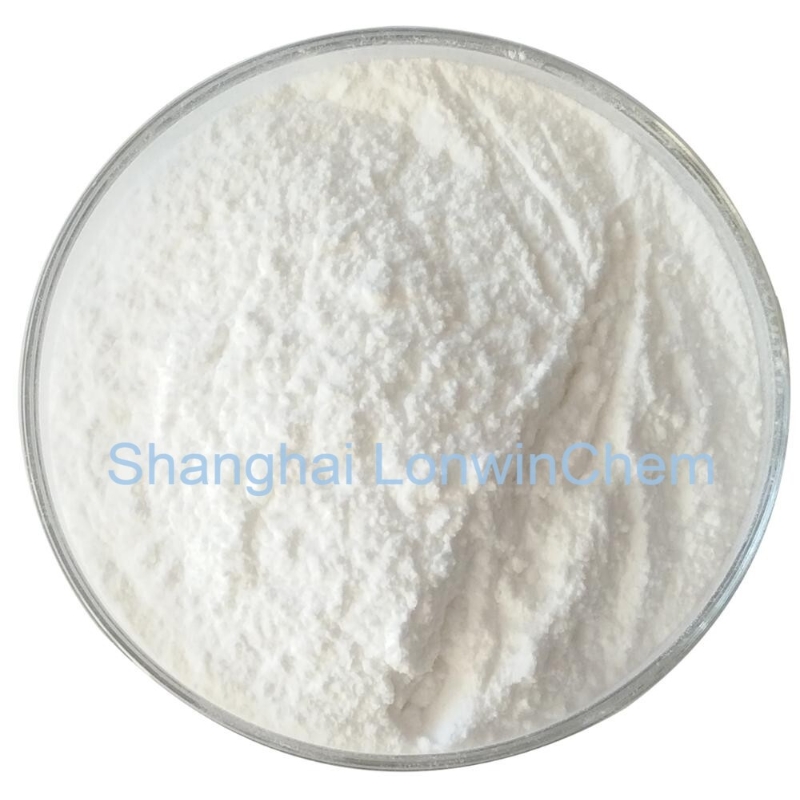
Phenylhydrazine hydrochloride
(59-88-1)-

- / 99%
-

-

Industrial Grade / 99%
-


Request for quotation , get quotes from more suppliers.
-

Pharmaceutical Grade / 98%
-

-

- / 97%
-

Pharmaceutical Grade / 99%


Request for quotation , get quotes from more suppliers.
Phenelzine sulfate
(156-51-4)-

- / 99.00%
-
")
$1-1.2/KG FOB
-

Pharmaceutical Grade / 99%
$99/MT FOB
-

Pharmaceutical Grade / 99%
$10/KG FOB



Request for quotation , get quotes from more suppliers.
-

Industrial Grade / 99%
-

-

-


Request for quotation , get quotes from more suppliers.
Pomalidomide-PEG2-CO2H
(2140807-17-4)-

Industrial Grade / 99%
-

- / 98%
-

- / 0.99%


Request for quotation , get quotes from more suppliers.
Source Hydrazine or Hydroxylamine Derivatives Raw Materials by Region

Frequently Asked Questions
Hydrazine and Hydroxylamine Derivatives are widely used as key intermediates in the synthesis of pharmaceuticals, agrochemicals, dyes, and specialty chemicals. Hydrazine derivatives often serve as building blocks for heterocyclic compounds such as pyrazoles and indoles, while hydroxylamine derivatives are commonly employed in oxime formation and as precursors to nitroso compounds. Their reactivity and versatility make them essential in R&D and industrial-scale production processes.
To ensure quality and purity, verify that the supplier provides comprehensive Certificates of Analysis (CoA), adheres to Good Manufacturing Practices (GMP), and complies with relevant regulatory standards such as ISO or REACH. Request data on impurity profiles, residual solvents, and stability testing. Reputable suppliers should also offer batch-specific documentation and support technical inquiries regarding synthesis compatibility and handling requirements.
Hydrazine and many of its derivatives are toxic, potentially carcinogenic, and may be explosive under certain conditions. Hydroxylamine derivatives can also be unstable and reactive. Always use appropriate personal protective equipment (PPE), work in a fume hood with proper ventilation, and follow SDS guidelines strictly. Storage should be in cool, dry, well-ventilated areas away from oxidizers or incompatible materials. Proper training and emergency response protocols are essential for safe handling.
In pharmaceutical synthesis, Hydrazine Derivatives are frequently used to construct nitrogen-containing heterocycles like pyrazolones, triazoles, and hydrazides—core structures in many active pharmaceutical ingredients (APIs). For example, they play a critical role in synthesizing drugs such as antitubercular agents (e.g., isoniazid analogs) and anti-inflammatory compounds. Their ability to form C–N and N–N bonds makes them invaluable in medicinal chemistry workflows.
When selecting a supplier for Hydroxylamine Derivatives, evaluate their track record in fine chemical manufacturing, regulatory compliance (e.g., ISO 9001, GMP), and ability to provide consistent batch-to-batch quality. Look for suppliers with in-house analytical capabilities, scalable production capacity, and strong technical support. Additionally, consider their experience serving the pharmaceutical or agrochemical sectors, as this indicates familiarity with stringent purity and documentation requirements.