




Organic Chemistry
- • Amides (2625)
- • Alcohols, Phenols, Phenol Alcohols (330)
- • Nitrogen Compounds (259)
- • Nitrile Compound (91)
- • Hydrazine or Hydroxylamine Derivatives (213)
- • Quinones (38)
- • Ethers and Derivatives (186)
- • Aldehydes (117)
- • Carboxylic Acids and Derivatives (794)
- • Hydrocarbons and Derivatives (2317)
- • Ketones (78)
- • Inorganic Acid Esters (172)
- • Heterocyclic Ring (351)
- • Organometallic Compounds (977)
- • Organosulfur Compounds (73)
- • Phosphines (726)
- • Organometalate (285)
- • Organic Fluorine Compound (2121)
- • Triazenes (18)
- • Semicarbazides (33)
- • Organoselenium Compounds (28)
- • Nitro Compounds (96)
- • Nitrates (15)
- • Lactones (240)
- • Imines (24)
- • Free Radicals (48)
- • Dioxins and Dioxin-like Compounds (31)
- • Cyanates (31)
- • Coordination Complexes (3059)
- • Boron Compounds (84)
- • Azides (66)
- • Arsenicals (56)
Related News


Hydrocarbons and Derivatives Featured Products
Sort Hydrocarbons and Derivatives Alphabetically
Hydrocarbons and Derivatives
Get Hydrocarbons and Derivatives Raw Materials by RegionHexabromocyclododecane
(25637-99-4)-

Industrial Grade, Feed Grade, Food Grade, Pharma Grade / 99%
-

Industrial Grade / 99%
-

Different Grade / 99.9%
$0.1/KG EXW
-


Request for quotation , get quotes from more suppliers.
-

Pharmaceutical Grade / 99%
-

- / 99.00%
-

industrial Grade / 98%
-

- / 99%


Request for quotation , get quotes from more suppliers.
Hexamethylcyclotrisiloxane
(541-05-9)-

-

Industrial Grade / -
$500/Unit EXW
-

Pharmaceutical Grade / 99%
-

- / 99.00%



Request for quotation , get quotes from more suppliers.
Hexachloroethane
(67-72-1)-

Industrial Grade / 99%
-

-

Industrial Grade / 99%
-

Industrial Grade / 99%
$1/KG EXW


Request for quotation , get quotes from more suppliers.
Hexafluoropropylene oxide
(428-59-1)-

Industrial Grade / 99%
-
oxirane")
Pharmaceutical Grade / 99%
-

- / 99.00%
-


Request for quotation , get quotes from more suppliers.
Source Hydrocarbons and Derivatives Products Supply
-

- / 99.00%
-

Industrial Grade / 99%
-

Industrial Grade / 99%
$1-1.3/KG FOB
-

Industrial Grade / 99%


Request for quotation , get quotes from more suppliers.
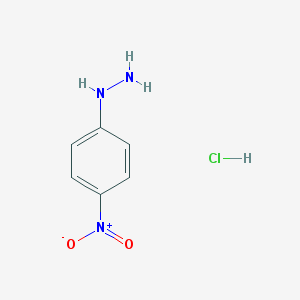
Hydrazine, (4-nitrophenyl)-, hydrochloride (1:1)
(636-99-7)-

- / 99.00%
-
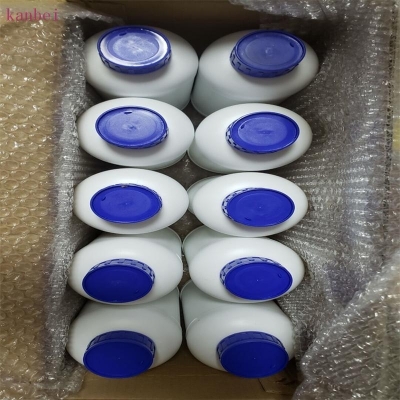
hydrazine hydrochloride 99% transparent liquid KANBEI")
Industrial Grade / 99%
-

Industrial Grade / 99%
-

Industrial Grade / 99%


Request for quotation , get quotes from more suppliers.
-

Industrial Grade / 99%
-

-

-


Request for quotation , get quotes from more suppliers.
-

Industrial Grade / 99%
-

Industrial Grade / 99%
-

-


Request for quotation , get quotes from more suppliers.
-

- / 99.00%
-

Industrial Grade / 99%
-

-




Request for quotation , get quotes from more suppliers.
More Information
Hydrocarbons, also known as carbonaceous compounds, are organic compounds composed solely of carbon and hydrogen. These compounds, commonly referred to as hydrocarbons, form through reactions with chlorine, bromine vapor, oxygen, and other elements. Methane (CH4) is the simplest hydrocarbon molecule, consisting of a central carbon atom connected to four hydrogen atoms.
In our daily lives, we frequently encounter hydrocarbons. For instance, propane in natural gas and butane in lighters are both examples of hydrocarbons. They serve as fuels due to the vast energy stored within their covalent bonds. During combustion, this energy is released in the form of heat as they react with oxygen to produce carbon dioxide and water.
Hydrocarbons encompass various types, including:
● aromatic hydrocarbons
● saturated hydrocarbons
● aliphatic hydrocarbons
Frequently Asked Questions
Hydrocarbons and their derivatives serve as fundamental building blocks in numerous industrial sectors. They are primarily used as feedstocks in petrochemical manufacturing to produce plastics, solvents, synthetic rubbers, and fuels. Derivatives such as alcohols, aldehydes, and carboxylic acids are essential in producing pharmaceuticals, agrochemicals, and specialty chemicals. Their versatility makes them critical in both energy production and chemical synthesis processes.
Saturated hydrocarbons (alkanes) contain only single bonds and are generally less reactive, making them stable fuels like methane and propane. Unsaturated hydrocarbons (alkenes and alkynes) have double or triple bonds, which increase reactivity and make them ideal for polymerization and organic synthesis—key in manufacturing plastics like polyethylene and PVC. Understanding these differences helps industries select the right hydrocarbon type for specific chemical processes.
When sourcing hydrocarbons and derivatives, buyers should evaluate:1. Purity and specification compliance (e.g., ASTM or ISO standards).2. Supplier certifications such as ISO 9001 or REACH/ROHS compliance.3. Consistency in batch-to-batch quality and traceability.4. Logistics and storage capabilities, especially for volatile or hazardous compounds.5. Technical support and documentation (e.g., SDS, COA).Choosing a reliable supplier ensures safety, regulatory adherence, and process efficiency.
Many hydrocarbon derivatives can be safely handled when proper safety protocols are followed. However, some—like benzene or formaldehyde—are toxic, flammable, or carcinogenic. Safety depends on correct storage, ventilation, personal protective equipment (PPE), and adherence to OSHA or GHS guidelines. Always consult the Safety Data Sheet (SDS) before use and ensure staff are trained in handling hazardous chemicals to minimize risks.
Hydrocarbon derivatives are ubiquitous in daily life. Ethanol (from ethylene) is used in sanitizers and beverages; acetone (a ketone) serves as a solvent in nail polish removers; toluene appears in paints and adhesives; and fatty acid derivatives act as emulsifiers in cosmetics and food. Even synthetic fibers like polyester originate from aromatic hydrocarbon derivatives such as terephthalic acid. These compounds bridge raw petrochemicals to consumer-ready goods.