




Inorganic Chemistry
- • Elementary Substance (191)
- • Industrial Gases (21)
- • Inorganic Bases (56)
- • Inorganic Acid (57)
- • Inorganic Salts (1924)
- • Oxides and Peroxides (187)
- • Silica gel (5)
- • Non-metallic Minerals (14)
- • Coating Materials (24)
- • Phosphorus Compounds (50)
- • Iron Compounds (22)
- • Bromine Compounds (20)
Related News
-
RMF:Iron chlorine e6 was successfully listed in Anhui
2024-05-08 -
In the first three quarters, China's iron and steel industry research and development investment continued to increase
2022-11-02 -
Iron ore price may be reduced in 2020
2020-01-20 -
Iron ore futures fall to $80 range affected by supply outlook
2020-01-13 -
From January to October, the profit of iron and steel industry dropped by 44.2%
2019-12-09 -
The relationship between supply and demand determines the price of iron ore
2019-11-22


Iron Compounds
Iron Compounds
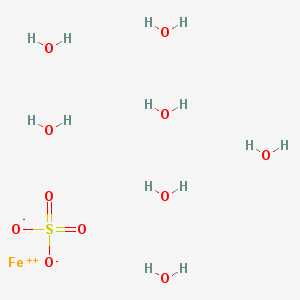
Ferrous sulfate heptahydrate
(7782-63-0)-

Industry/Pharmaceutical/Food Grade / 98%
-

- / 0.00%
-

- / 99.00%
-



Ferric sulfate
(10028-22-5)-
: Polyferric, Polyferric Sulfate, Basic Ferric Sulfate, Hydroxyl Ferric Sulfate")
Industrial Grade / 21%
$346-390/MT FOB
-

Industrial Grade / 99%
-

- / 99.00%
-

Industrial Grade / 97%


Request for quotation , get quotes from more suppliers.
Ferric phosphate
(10045-86-0)-

Industrial Grade / 99%
-

- / 99.00%
-

- / 99.00%
-


Ferric sulfate hydrate
(15244-10-7)-

Pharmaceutical Grade / 99%
-
 sulfate hydrate 99% see COA kanbei")
Industrial Grade / 99%
-
 Sulfate Hydrate Cas 15244-10-7")
Industrial Grade / -
-

Good Grade / 99%


Request for quotation , get quotes from more suppliers.


Frequently Asked Questions
Iron compounds are chemical substances that contain iron in various oxidation states, primarily Fe²⁺ (ferrous) or Fe³⁺ (ferric). Common types include ferrous sulfate, ferric chloride, iron oxide, and iron hydroxide. These compounds are widely used across industries such as pharmaceuticals, water treatment, agriculture, and manufacturing due to their reactivity, color properties, and nutritional value.
Iron compounds serve critical roles in multiple sectors:1. Water treatment—ferric chloride and ferrous sulfate act as coagulants to remove impurities.2. Agriculture—iron chelates and sulfates correct iron deficiency in soils and crops.3. Pharmaceuticals—ferrous sulfate is a common iron supplement for treating anemia.4. Pigments and coatings—iron oxides provide red, yellow, and black hues in paints, cosmetics, and construction materials.Their versatility makes them essential raw materials in many supply chains.
When selecting a supplier for iron compounds, consider these key criteria:1. Regulatory compliance—ensure the supplier meets standards like ISO, REACH, or FDA guidelines where applicable.2. Purity and consistency—request certificates of analysis (CoA) to verify product quality.3. Production capacity and reliability—assess their ability to meet volume and delivery timelines.4. Technical support—reputable suppliers offer guidance on handling, storage, and application.Choosing a certified and experienced supplier minimizes risk and ensures consistent performance in your end use.
Certain iron compounds, such as ferrous sulfate, ferrous gluconate, and ferric pyrophosphate, are approved for use in dietary supplements and fortified foods to prevent or treat iron-deficiency anemia. However, safety depends on dosage, form, and regulatory approval. Industrial-grade iron compounds are not suitable for ingestion and may contain harmful impurities. Always use food- or pharma-grade iron compounds from certified suppliers for human consumption.
The quality of iron compounds is influenced by several factors:1. Raw material purity—impurities can alter reactivity and performance.2. Manufacturing process—controlled synthesis ensures consistent particle size, solubility, and oxidation state.3. Storage conditions—moisture and air exposure can cause oxidation or clumping, especially in ferrous salts.4. Packaging—airtight, moisture-resistant containers help maintain stability.High-quality iron compounds deliver predictable results in applications ranging from wastewater treatment to pigment production.