




Natural Products
- • Lignans (234)
- • Xanthones (46)
- • Flavonoids (466)
- • Terpenes (770)
- • Iridoid Derivatives (92)
- • Coumarin and Derivatives (121)
- • Phenols (338)
- • Steroids (103)
- • Phenylpropanoids (75)
- • Anthraquinone and Derivatives (16)
- • Chalcones (47)
- • Alkaloids (492)
- • Quinone Ring (28)
- • Sesquiterpene (228)
Related News
-
Credit Suisse triggers anxiety, international crude oil and natural gas collectively plummet
2023-03-16 -
Germany's annual natural gas imports fell by more than 10%
2023-01-17 -
Turkey announces discovery of 58 billion cubic meters of natural gas in Black Sea
2022-12-28 -
Natural gas: Sinopec and Qatar Energy signed a long-term purchase agreement
2022-12-01 -
The EU proposes to set a price ceiling of 275 euros per megawatt hour for natural gas
2022-11-24 -
German natural gas storage facility reaches 100% gas storage capacity
2022-11-22


Phenylpropanoids
-

Industrial Grade / 99%
-

-

-
-methyl isoeugenol")


Request for quotation , get quotes from more suppliers.
-
-3'-hydroxy-4'-methoxycinnamic acid CAS NO 25522-33-2")
Industrial Grade, Feed Grade, Food Grade, Pharma Grade / 99%
-

-
-3'-hydroxy-4'-methoxycinnamic acid")
-


Request for quotation , get quotes from more suppliers.
-
-Coniferyl alcohol")
Industrial Grade / 98%
$4600-4800/G EXW
-

Industrial Grade / 99.00%
-
![buy 4-[(1E)-3-Hydroxy-1-propen-1-yl]-2-methoxyphenol]( "4-[(1E)-3-Hydroxy-1-propen-1-yl]-2-methoxyphenol")
-

Industrial Grade / 99%


Request for quotation , get quotes from more suppliers.
-
-3-phenylprop-2-en-1-ol")
Industrial Grade / 98%
$0.8-1/G EXW
-

Industrial Grade / 99%
-

-


Request for quotation , get quotes from more suppliers.
-

Industrial Grade / 99.0%
-
-1-(4-Hydroxy-3,5-dimethoxyphenyl)-1,2,3-propanetriol")
-

-


Request for quotation , get quotes from more suppliers.
Source Phenylpropanoids Products Supply
-

Industrial Grade / 98%
-

Industrial Grade / 99%
-

-


Request for quotation , get quotes from more suppliers.
-

Industrial Grade, Feed Grade, Food Grade, Pharma Grade / 99%
-

-

-

Industrial Grade / 99%

Request for quotation , get quotes from more suppliers.
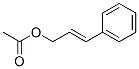
trans-Cinnamyl acetate
(21040-45-9)-

Industrial Grade, Feed Grade, Food Grade, Pharma Grade / 99%
-
-3-Phenyl-2-propen-1-yl acetate")
-
-cinnamyl acetate")
-
-cinnamyl acetate")
Industrial Grade / 99%

Request for quotation , get quotes from more suppliers.
-
-3-(3,4,5-trimethoxyphenyl)prop-2-en-1-ol")
-

-

Industrial Grade / 99%
-

Industrial Grade / 98%


Request for quotation , get quotes from more suppliers.
-

Industrial Grade / 99%
-

-

Industrial Grade / 99%
-

Industrial Grade / 98%


Request for quotation , get quotes from more suppliers.
Frequently Asked Questions
Phenylpropanoids are a class of natural organic compounds derived from phenylalanine, commonly found in plants. They serve essential roles such as providing structural support (e.g., lignin), protecting against UV radiation, defending against pathogens, and contributing to pigmentation and aroma. These compounds include well-known molecules like flavonoids, coumarins, and cinnamic acid derivatives.
In the pharmaceutical industry, Phenylpropanoids are valued for their antioxidant, anti-inflammatory, antimicrobial, and anticancer properties. They are used as active ingredients or precursors in drug development, nutraceuticals, and herbal supplements. For example, resveratrol and eugenol—both Phenylpropanoid derivatives—are studied extensively for their therapeutic potential.
Phenylpropanoids are typically extracted from plant sources using solvent extraction, steam distillation, or supercritical fluid extraction. After initial extraction, purification methods such as column chromatography, crystallization, or HPLC are employed to isolate specific compounds. The choice of method depends on the target molecule, plant matrix, and intended application (e.g., food, cosmetics, or pharmaceuticals).
When sourcing Phenylpropanoids, buyers should evaluate:1. Purity and concentration levels verified by analytical reports (e.g., GC-MS or HPLC).2. Origin and sustainability of the botanical source.3. Compliance with regulatory standards (e.g., ISO, GMP, or REACH).4. Supplier’s technical documentation and batch consistency.5. Scalability and reliability of supply chain logistics.These factors ensure product efficacy, safety, and regulatory compliance.
Yes, Phenylpropanoids have diverse industrial applications beyond pharmaceuticals. They are widely used in the food industry as natural flavorings and preservatives (e.g., vanillin), in cosmetics for fragrance and skin protection (e.g., ferulic acid), and in agriculture as biopesticides or plant growth regulators. Their natural origin and bioactivity make them valuable across multiple sectors seeking clean-label and sustainable ingredients.