




Food Additives
- • Coating Agent (19)
- • Preservative (33)
- • Coloring Agent (40)
- • Gum Base Agent (25)
- • Anticaking Agent (7)
- • Food Antioxidants (41)
- • Enzyme (49)
- • Flour Treatment Agent (4)
- • Leavening Agent (1)
- • Bleach (3)
- • Other Food Additives (88)
- • Emulsifier (25)
- • Food Flavorings (30)
- • Water Retention Agent (1)
- • Acidity Regulators (7)
- • Sweeteners (36)
- • Stabilizer and Coagulants (4)
- • Defoamers (5)
- • Nutrition Supplements (171)
- • Thickener (30)
- • Odorants (29)
- • Colorant (16)
Related News
-
Can Ultra-Processed Foods Be Made Healthier Without Compromising Taste and Convenience?
2024-01-04 -
Can KinderFarms' Non-Toxic Claims Hold Up? The Hidden Dangers of Greenwashing
2023-12-28 -
Canada Seeks Input on Greenlighting Mushroom-Derived Chitosan as Food Preservative
2023-11-24 -
Get to Know the Developments About Natural Preservatives
2022-05-25 -
Food Vision Banana Preservative Patent Approved
2021-11-02 -
Pursuing natural trends, Kemin develops rosemary preservatives
2020-05-13


Preservative Featured Products
Preservative
Sorbic acid
(110-44-1)-

Food Grade / 98%
-

Food Grade / 99.9%
-

Food Grade / 99%
-

Food Grade / 99%


Sodium sorbate
(7757-81-5)-

Food Grade / 99%
-

Food Grade / 95%
$950-1100/MT FOB
-

- / 98.00%
-

Industrial Grade / 98%
$100/Unit EXW



Request for quotation , get quotes from more suppliers.
-

Industrial Grade, Feed Grade, Food Grade, Pharma Grade / 99%
-

Industrial Grade / 99%
-
-2,4-Hexadienoyl chloride")
-

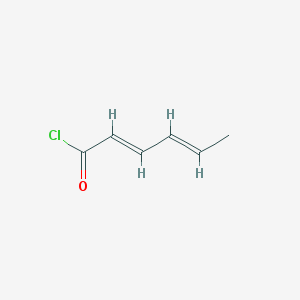
Request for quotation , get quotes from more suppliers.
-

-

-

Industrial Grade / 99%
-
")


Request for quotation , get quotes from more suppliers.
Frequently Asked Questions
A preservative is a substance added to products such as food, cosmetics, and pharmaceuticals to prevent spoilage caused by microbial growth or chemical changes. Preservatives extend shelf life, maintain product safety, and preserve sensory qualities like taste, color, and texture. Common types include natural preservatives (e.g., vitamin E, rosemary extract) and synthetic ones (e.g., sodium benzoate, potassium sorbate).
Yes, preservatives approved by regulatory authorities like the FDA, EFSA, or WHO are considered safe when used within established limits. Safety assessments evaluate toxicity, allergenic potential, and long-term effects. Both natural and synthetic preservatives undergo rigorous testing. Always check ingredient labels and choose products from reputable manufacturers that comply with international safety standards.
Common food preservatives include sodium benzoate, potassium sorbate, calcium propionate, sulfites, and nitrites. Natural options like citric acid, ascorbic acid (vitamin C), and plant-based extracts (e.g., oregano or green tea) are also widely used. The choice depends on the food type, pH level, storage conditions, and desired shelf life. Each preservative targets specific microbes or oxidation processes to maintain freshness and safety.
Selecting the right preservative for cosmetics involves considering factors such as product pH, water content, packaging type, and intended use. Broad-spectrum preservatives like phenoxyethanol, benzyl alcohol, or paraben alternatives (e.g., sodium levulinate) are common. Ensure compatibility with other ingredients and compliance with regional regulations (e.g., EU Cosmetics Regulation). Conduct challenge testing to validate antimicrobial efficacy and stability over time.
While most preservatives are safe, certain individuals may experience sensitivity—especially to ingredients like parabens, formaldehyde releasers, or methylisothiazolinone. Reactions can include redness, itching, or contact dermatitis. Hypoallergenic or preservative-free formulations are available for sensitive skin. Patch testing new products and reviewing ingredient lists can help minimize risks. Always consult a dermatologist if adverse reactions occur.