




Cosmetic Ingredient
- • Abrasive (124)
- • Absorbent (84)
- • Anticaking (66)
- • Anticorrosive (25)
- • Antifoaming (19)
- • Antimicrobials (291)
- • Antioxidant Ingredient (395)
- • Antiperspirant (20)
- • Antiplaque (48)
- • Anti-seborrheic (38)
- • Anti-sebum (39)
- • Antistatic (458)
- • Astringent (162)
- • Binding Agent (172)
- • Bleaching Agent (53)
- • Buffering (191)
- • Bulking (109)
- • Chelating (122)
- • Cleansing (680)
- • Cosmetic Colorant (212)
- • Cosmetic Preservative (158)
- • Denaturant (45)
- • Deodorant (98)
- • Depilatory (27)
- • Dissolving Agent (298)
- • Emollient (796)
- • Emulsifying Agent (482)
- • Emulsion Stabilising (154)
- • Exfoliating (19)
- • Film Forming (299)
- • Flavouring (72)
- • Foam Boosting (161)
- • Foaming (101)
- • Fragrance Ingredient (733)
- • Gel Forming (19)
- • Hair Conditioning (671)
- • Hair Dyeing (363)
- • Hair Fixing (36)
- • Hair Waving or Straightening (45)
- • Humectant (282)
- • Hydrotrope (92)
- • Keratolytic (20)
- • Light Stabilizer (80)
- • Moisturising Agent (50)
- • Nail Conditioning (42)
- • Occlusive (20)
- • Opacifying (119)
- • Oral Care (123)
- • Oxidising (19)
- • Perfuming (2106)
- • Plasticiser (98)
- • Propellant (19)
- • Reducing (50)
- • Refatting (12)
- • Refreshing (27)
- • Skin Cleansing (388)
- • Skin Conditioning (1752)
- • Skin Humectant (21)
- • Skin Protecting (282)
- • Smoothing (31)
- • Soothing (72)
- • Tonics (155)
- • UV Filter (34)
- • Viscosity Controlling (532)
Chemicals as Skincare Ingredients
Related News
-
Overseas Up, China Down: The Global MDI Market Is Splitting Apart
2026-05-25 -
ExxonMobil Shuts Another Singapore Facility: The Global Petrochemical Shake-Up Leaves No Easy Winners
2026-05-27 -
Chinese Urea Producers Receive a Timely Boost as Second Round of 2026 Export Quotas Nears 2 Million Tons
2026-05-29 -
Chemicals Are Going Wild: Sulfur Surges 512%, Titanium Dioxide, Polyols and Sulfuric Acid Lose Control
2026-05-26 -
Global Chemical Inventories Hit Critical Lows as Over 200 Chinese Companies Suspend Quotations
2026-05-26 -
Hengli Sanctions Spill Over: One Barrel of Iranian Crude Pulls an Aromatics Chain Into Risk
2026-05-26


Soothing Agent
Soothing
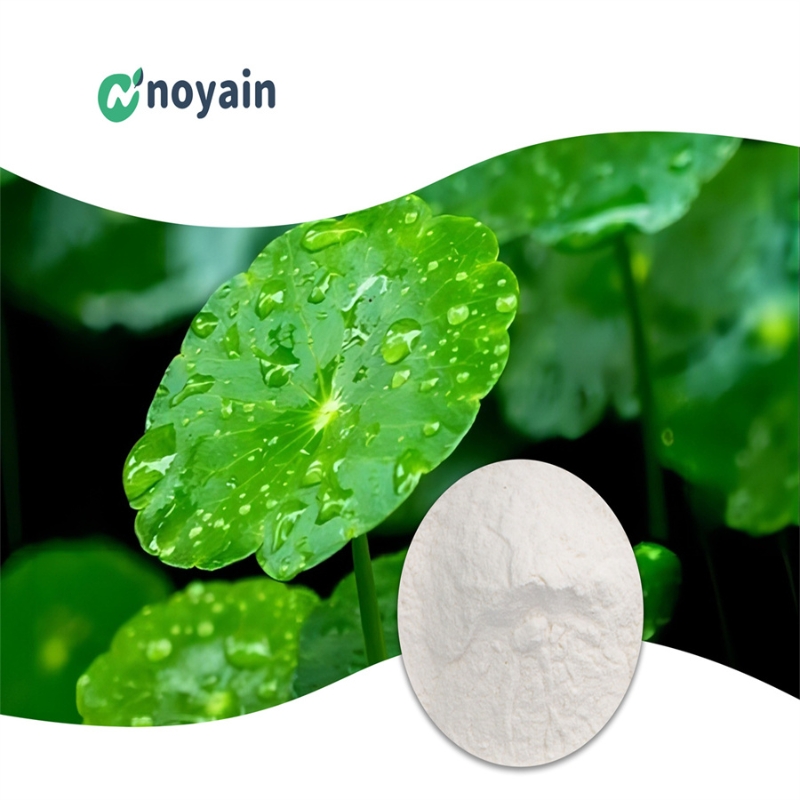
Hydrocotyle asiatica, ext.
(84696-21-9)-

Cosmetics Grade / 70%
-

Cosmetics Grade / 5%
-

Cosmetics Grade / 90%
-

Cosmetic Grade / 0.95%
$120/KG EXW



Request for quotation , get quotes from more suppliers.
Frequently Asked Questions
In skincare and personal care, 'soothing' refers to the ability of a product or ingredient to calm irritation, reduce redness, and relieve discomfort such as itching or burning sensations. Soothing formulations often contain ingredients like aloe vera, chamomile, allantoin, or panthenol, which help restore skin barrier function and minimize inflammatory responses. These products are especially beneficial for sensitive, reactive, or post-procedure skin.
Common soothing ingredients in cosmetics include aloe vera, bisabolol, niacinamide, colloidal oatmeal, centella asiatica (cica), green tea extract, and allantoin. These components work by reducing inflammation, hydrating the skin, and supporting the skin’s natural repair processes. Their inclusion is particularly valuable in products targeting conditions like eczema, rosacea, sunburn, or general sensitivity.
To choose effective soothing skincare products, look for formulations that are fragrance-free, hypoallergenic, and non-comedogenic. Check the ingredient list for proven calming agents like panthenol, madecassoside, or oat kernel extract. Avoid alcohol, harsh surfactants, and synthetic dyes, which can exacerbate irritation. Additionally, products labeled as 'dermatologist-tested' or 'suitable for sensitive skin' often undergo stricter safety evaluations, enhancing their reliability for soothing purposes.
Yes, most soothing skincare products are formulated for daily use, especially those designed for sensitive or compromised skin. Because they typically avoid irritants and focus on barrier support and hydration, they can be safely incorporated into both morning and evening routines. However, always perform a patch test when trying a new product, and discontinue use if any adverse reaction occurs—even with gentle formulations.
While moisturizing products primarily focus on hydrating the skin and preventing water loss through occlusives, humectants, and emollients, soothing products specifically target inflammation, redness, and discomfort. That said, many soothing products also contain moisturizing ingredients, and vice versa. The key distinction lies in their primary function: hydration versus calming. For optimal skin health—especially for sensitive or irritated skin—using products that combine both properties is often recommended.