




Cosmetic Ingredient
- • Abrasive (124)
- • Absorbent (84)
- • Anticaking (66)
- • Anticorrosive (25)
- • Antifoaming (19)
- • Antimicrobials (291)
- • Antioxidant Ingredient (392)
- • Antiperspirant (20)
- • Antiplaque (48)
- • Anti-seborrheic (38)
- • Anti-sebum (38)
- • Antistatic (457)
- • Astringent (162)
- • Binding Agent (171)
- • Bleaching Agent (53)
- • Buffering (190)
- • Bulking (109)
- • Chelating (122)
- • Cleansing (680)
- • Cosmetic Colorant (212)
- • Cosmetic Preservative (158)
- • Denaturant (45)
- • Deodorant (98)
- • Depilatory (27)
- • Dissolving Agent (297)
- • Emollient (795)
- • Emulsifying Agent (481)
- • Emulsion Stabilising (153)
- • Exfoliating (19)
- • Film Forming (299)
- • Flavouring (72)
- • Foam Boosting (161)
- • Foaming (101)
- • Fragrance Ingredient (732)
- • Gel Forming (19)
- • Hair Conditioning (672)
- • Hair Dyeing (363)
- • Hair Fixing (36)
- • Hair Waving or Straightening (45)
- • Humectant (281)
- • Hydrotrope (92)
- • Keratolytic (20)
- • Light Stabilizer (77)
- • Moisturising Agent (50)
- • Nail Conditioning (42)
- • Occlusive (20)
- • Opacifying (119)
- • Oral Care (123)
- • Oxidising (19)
- • Perfuming (2106)
- • Plasticiser (98)
- • Propellant (19)
- • Reducing (51)
- • Refatting (12)
- • Refreshing (27)
- • Skin Cleansing (387)
- • Skin Conditioning (1747)
- • Skin Humectant (21)
- • Skin Protecting (281)
- • Smoothing (32)
- • Soothing (72)
- • Tonics (155)
- • UV Filter (33)
- • Viscosity Controlling (530)
Chemicals as Skincare Ingredients
Related News
-
Polyethylene Probes Bottom and Recovers, Sustainability Remains Uncertain
2026-07-25 -
U.S. Imposes 12.5% Additional Tariff! Nutritional Ingredients Including Creatine, Taurine, and Glucosamine Included in New Section 301 Tariff List
2026-07-30 -
Cost Advantages Support, Polyester Staple Fiber Prices Remain on an Upward Trend
2026-07-26 -
Premium Global Chemical Sourcing Requests (20-22July, 2026)
2026-08-05 -
Cost Values and Demand-Side Game: PP Prices Consolidate After Rising in July
2026-08-02 -
July Titanium Dioxide Market Prices Decline
2026-07-29


Viscosity Controlling
Sort Viscosity Controlling Alphabetically
Viscosity Controlling
Hydroxyethyl methyl cellulose
(9032-42-2)-

Cosmetics Grade / -
$2000-2600/MT FOB
-

cosmetic grade / -
$114/KG EXW
-

Industrial Grade / 99%
-

Pharmaceutical Grade / 99%


Request for quotation , get quotes from more suppliers.
Magnesium trisilicate
(14987-04-3)-

Chemical Grade / 99%
$1/KG FOB
-

- / 99.00%
-
")
$1-1.2/KG FOB
-

Pharmaceutical Grade / 99%




Request for quotation , get quotes from more suppliers.
1-Tetradecanol
(112-72-1)-

Chemical Grade / 99%
$1/KG FOB
-

-

- / 99.00%
-

Pharmaceutical Grade / 99%


Request for quotation , get quotes from more suppliers.
Polyaziridine
(9002-98-6)-

- / 0.00%
-

Pharmaceutical Grade / 99%
-

-

- / 99.00%


Bis(2-hydroxypropyl) ether
(110-98-5)-

Cosmetics Grade / 30%
$2.8/KG EXW
-

Cosmetics Grade / 99.96%
-

Industrial Grade / 99%
-

- / 0.00%


Request for quotation , get quotes from more suppliers.
Tristearin
(555-43-1)-

Industrial Grade / 99%
-

- / 99.00%
-

Food Grade / 98%
$10-11/MT FOB
-


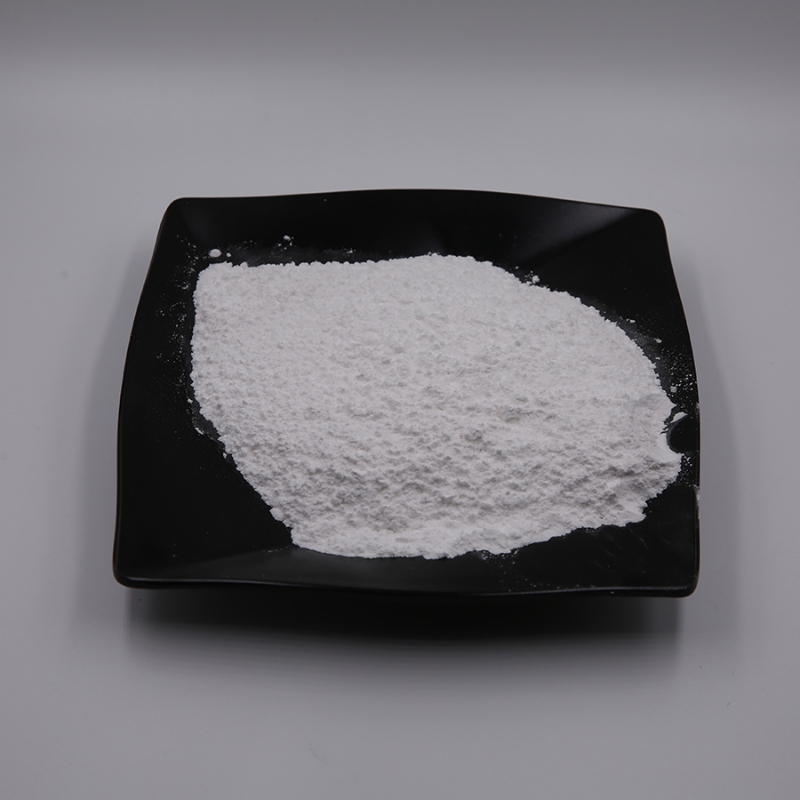
Request for quotation , get quotes from more suppliers.
1-Undecanol
(112-42-5)-

- / 99.00%
-

Industrial Grade / 99%
-
")
$1-1.2/KG FOB
-


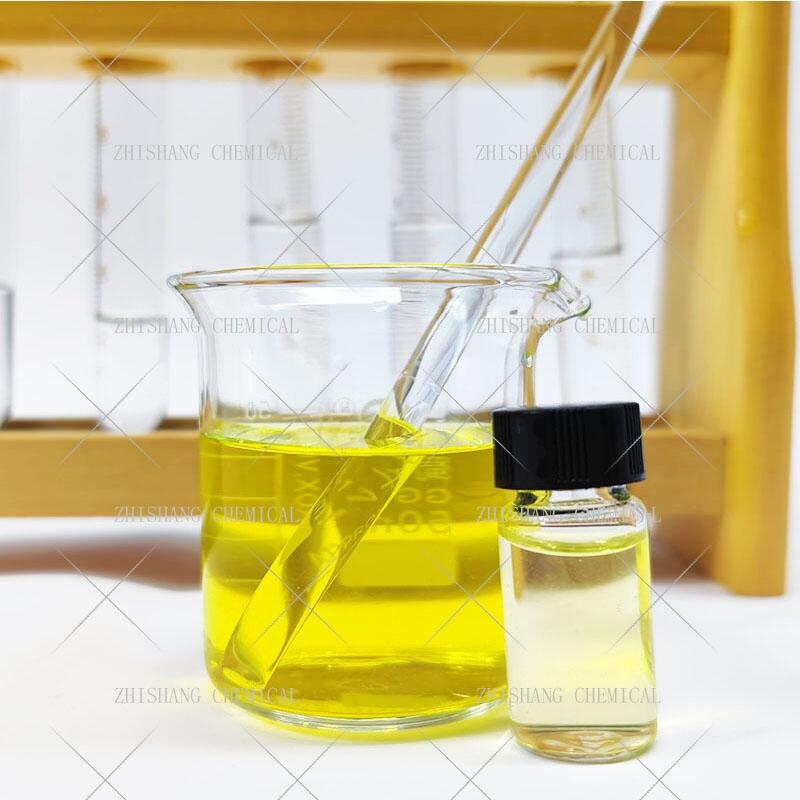
Request for quotation , get quotes from more suppliers.
Natural Rubber
(9003-31-0)-

Food Grade / 99%
-

-

Industrial Grade / 99%
-


Triolein
(122-32-7)-

Cosmetics Grade / 99%
-
")
$1-1.2/KG FOB
-

-

- / 99.00%


Request for quotation , get quotes from more suppliers.
Sepiolite
(63800-37-3)-

Industrial Grade / 99%
-

Industrial Grade / -
-

Industrial Grade / 99%
-

- / 0.99%


More Information
Viscosity refers to a product's thickness and its resistance to deformation when force is applied, influencing how it flows and feels upon application.
In cosmetics, maintaining optimal viscosity is essential for product stability. For instance, if an emulsion is too thin, there's a risk of phase separation between oil and water components, leading to an unstable formulation that requires constant agitation or becomes ineffective over time. Similarly, in products containing suspended particles like color cosmetics or mineral sunscreens, inadequate viscosity can cause the particles to settle, resulting in formulation instability.
Main factors in viscosity controlling:
•Selection of rheology modifiers
•Concentration of thickeners or thinners
•Temperature effects
•Shear rate and shear stress
•pH of the formulation
Frequently Asked Questions
Viscosity controlling refers to the process of managing or adjusting the thickness or flow resistance of a liquid to meet specific performance requirements. It is crucial in industries such as paints, coatings, food processing, pharmaceuticals, and oil & gas, where consistent product texture, stability, and application behavior are essential for quality and efficiency.
Common methods for viscosity control include:1. Adding thickeners or rheology modifiers like cellulose derivatives, clays, or fumed silica.2. Using diluents or solvents to reduce viscosity.3. Adjusting temperature, as many fluids become less viscous when heated.4. Employing mechanical mixing or shear to temporarily alter flow properties.The choice of method depends on the base material, end-use requirements, and regulatory considerations.
Viscosity modifiers significantly impact product performance by enhancing stability, preventing ingredient separation, improving application ease (e.g., sprayability or spreadability), and ensuring consistent texture. In lubricants, they help maintain optimal flow across temperature ranges. In food and cosmetics, they contribute to mouthfeel or skin feel. Selecting the right modifier ensures both functional performance and compliance with safety standards.
When selecting a viscosity control agent, consider:1. Compatibility with the base formulation (e.g., water-based vs. solvent-based).2. Desired rheological profile (e.g., Newtonian, shear-thinning).3. Regulatory approval for intended use (e.g., FDA for food, REACH for EU chemicals).4. Stability under storage and processing conditions.5. Cost-effectiveness and ease of incorporation.Working with reputable suppliers who provide technical data and support can help ensure optimal selection.
Yes, temperature has a direct impact on viscosity—most liquids become less viscous as temperature increases and more viscous when cooled. This is especially critical in applications like engine oils, adhesives, or food sauces that must perform consistently across varying temperatures. Effective viscosity control strategies often include using temperature-stable rheology modifiers or designing formulations with a balanced viscosity index to minimize thermal sensitivity.