




Active Pharmaceutical Ingredients
- • Respiratory Drugs (114)
- • Hormones and the Endocrine System (279)
- • Antipyretic Analgesics (171)
- • Antiallergic Drugs (103)
- • Antiparasitic Drugs (130)
- • Antibiotics (545)
- • Antineoplastic Agents (294)
- • Anesthetic Agents (79)
- • Urinary System Drugs (52)
- • Other Chemical Drugs (947)
- • Synthetic Anti-infective Drugs (599)
- • Nervous System Drugs (349)
- • Fluid, Electrolyte, and Acid-base Balance (48)
- • Vitamins and Minerals Medicines (106)
- • Digestive System Drugs (197)
- • Blood System Drugs (85)
- • Circulatory System Drugs (426)
- • Diagnostic Agents (58)
- • Specialty Drugs (107)
- • Drug Metabolism (23)
- • Feed Additive (22)
- • Anti-stress Drugs (1)
- • Drugs Influencing Immune Function (14)
- • Veterinary Raw Materials (24)
- • Inhibitor Drugs (81)
Related News
-
Indonesian pharmaceutical company Biofarma announces the acquisition of US Pharma Lab
2023-05-29 -
Personalized supplements startup VitaminLab raises series A financing
2023-05-24 -
Market Analysis of Domestic Veterinary Drug Raw Materials in the 34th Week of 2022
2022-08-24 -
Vitamin Market Analysis
2022-08-02 -
Analysis of the Domestic Veterinary Drug Raw Material Market in the 28th Week of 2022
2022-07-14 -
Are More 'Vitamins' in The Feed the Better?
2022-05-09


Vitamins and Minerals Medicines Featured Products
Sort Vitamins and Minerals Medicines Alphabetically
Vitamins and Minerals Medicines
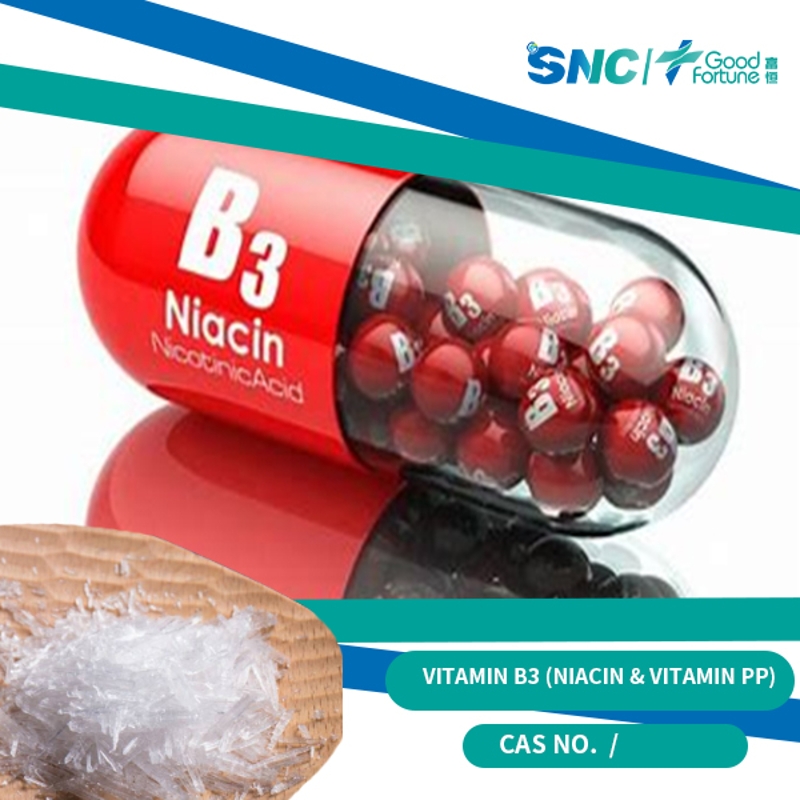
Get Vitamins and Minerals Medicines Raw Materials by RegionNicotinic acid
(59-67-6)-

pharmaceutical grade/food grade / 99%
-

Pharmaceutical Grade / 99%
-

Pharmaceutical Grade / 99%
-

Pharmaceutical Grade / 99%

Request for quotation , get quotes from more suppliers.
Biotin
(58-85-5)-
 BIOTIN PLUS")
Pharmaceutical Grade / 99.5%
-

Pharmaceutical Grade / 99%
-

Pharmaceutical Grade / 98%
-

Pharmaceutical Grade / 99%


Inositol
(87-89-8)2. Lipotropic agent
3. A growth-factor and structural element of secondary messengers in eukaryotic cells
-

Pharmaceutical Grade / 99%
-

Pharmaceutical Grade / 99%
-

Pharmaceutical Grade / 99%
-

Pharmaceutical Grade / 99%


Request for quotation , get quotes from more suppliers.
Vitamin B1
(59-43-8)-

Pharmaceutical Grade / 99%
$28-35/KG FOB
-
 CAS 59-43-8")
Pharmaceutical Grade / 99%
-

Pharmaceutical Grade / 99%
-

Pharma grade ; Food Grade / 99.00%



Request for quotation , get quotes from more suppliers.
NAD
(53-84-9)-

Pharmaceutical Grade / 99%
$20/G FOB
-

Pharmaceutical Grade / 99.9%
$90/UNIT FOB
-
| Pharmaceutical Grade for Drug Development and Research")
Pharmaceutical Grade / 99%
-

Pharmaceutical Grade / 99%
$50-55/UNIT FOB


Request for quotation , get quotes from more suppliers.
Molybdenum
(7439-98-7)-

Industrial Grade ,Pharma Grade / 99%
-

Industrial Grade / pharmaceutical grade / 99%
-

Industrial Grade / 99%
-

- / 99.00%


(±)-Lipoic acid
(1077-28-7)-

Pharmaceutical Grade / 99%
-

Pharmaceutical Grade / 99%
$100-120/KG FOB
-

Pharmaceutical Grade / 99%
-

Pharmaceutical Grade / 99%


Request for quotation , get quotes from more suppliers.
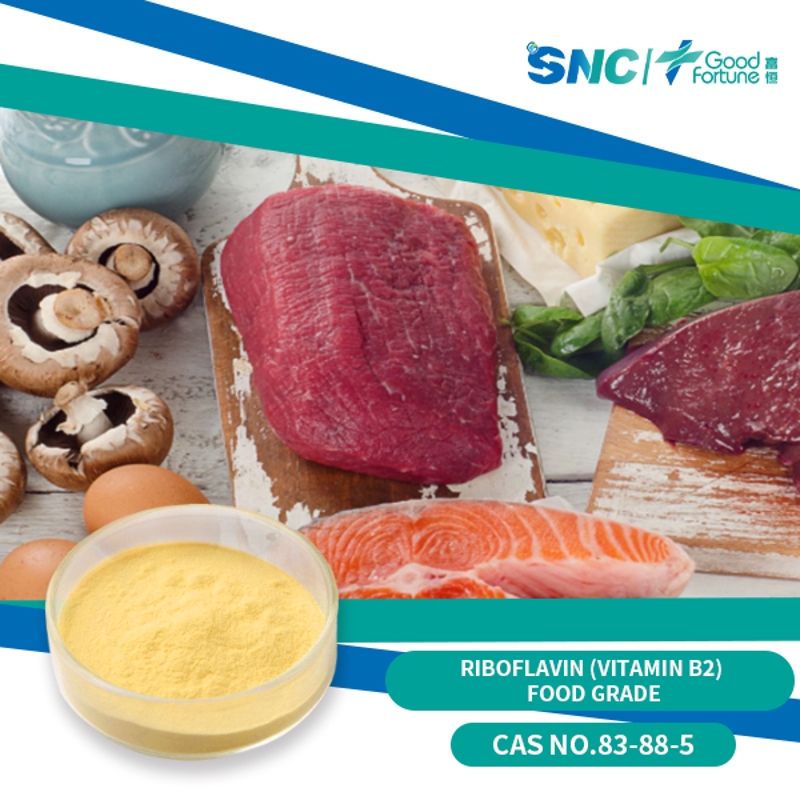
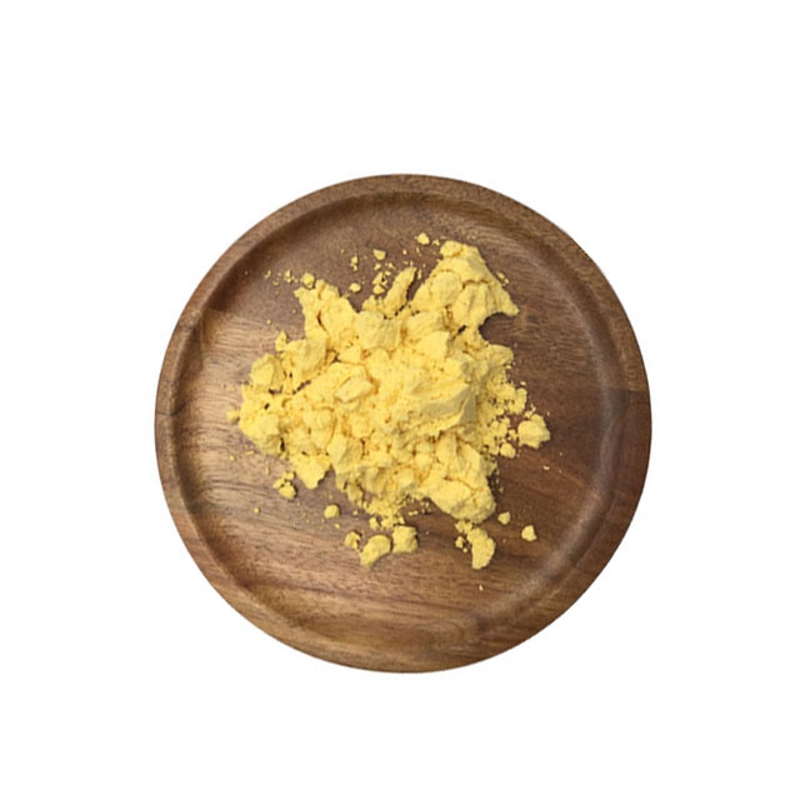
Riboflavin
(83-88-5)-

Pharmaceutical Grade / 99%
-

Pharmaceutical Grade / 99%
-
 food grade 99% light yellow powder SNC | Good Fortune")
pharmaceutical grade/food grade / 99%
-

Pharmaceutical Grade / 99%


Vitamin E
(1406-18-4)-

Pharmaceutical Grade / 99%
-

pharmaceutical grade / 99%
$1/KG EXW
-

Industrial Grade / pharmaceutical grade / 99%
$1/MT EXW
-

Industrial Grade / 99%

Request for quotation , get quotes from more suppliers.
Vitamin D3
(67-97-0)-
 100,000IU~40MIU/g food grade 99% white powder SNC | Good Fortune Low price")
Pharmaceutical Grade / 99%
-

Pharmaceutical raw materials / 99%
-

Pharmaceutical Grade / 99%
-

Pharmaceutical Grade / 99%


Frequently Asked Questions
Vitamins and Minerals Medicines are dietary supplements formulated to prevent or treat nutrient deficiencies, support overall health, and enhance specific bodily functions. They are commonly used to boost immune function, support bone health (e.g., calcium and vitamin D), improve energy metabolism (e.g., B-complex vitamins), and maintain healthy skin, vision, and neurological function. These medicines are especially beneficial for individuals with restricted diets, malabsorption issues, or increased nutritional needs due to pregnancy, aging, or illness.
To select high-quality Vitamins and Minerals Medicines, consider the following criteria:1. Look for products manufactured in facilities certified under Good Manufacturing Practices (GMP).2. Check for third-party testing and verification from reputable organizations like USP, NSF, or ConsumerLab.3. Review the ingredient list for bioavailable forms (e.g., methylcobalamin instead of cyanocobalamin for vitamin B12).4. Ensure appropriate dosage levels that align with recommended daily allowances (RDAs) without excessive amounts.5. Choose brands with transparent labeling and scientific backing for their formulations.
While Vitamins and Minerals Medicines are generally safe when taken as directed, excessive intake can lead to adverse effects. For example, too much vitamin A may cause liver toxicity, high doses of iron can lead to gastrointestinal distress or organ damage, and excess calcium might increase the risk of kidney stones. Fat-soluble vitamins (A, D, E, K) are stored in the body and pose a higher risk of accumulation compared to water-soluble ones. Always consult a healthcare professional before starting any new supplement, especially if you have underlying health conditions or take prescription medications.
Multivitamins contain a combination of essential vitamins and minerals in one formulation, designed to support general health and fill common nutritional gaps. Single-nutrient supplements, on the other hand, provide a concentrated dose of one specific vitamin or mineral (e.g., vitamin D3, magnesium citrate) and are typically used to address diagnosed deficiencies or targeted health goals. The choice depends on individual needs—multivitamins offer convenience for broad-spectrum support, while single-nutrient products allow precise dosing for therapeutic purposes.
To preserve the potency and shelf life of Vitamins and Minerals Medicines, store them in a cool, dry place away from direct sunlight, heat, and humidity. Keep bottles tightly sealed to prevent oxidation and moisture exposure. Avoid storing supplements in bathrooms or kitchens where temperature and humidity fluctuate. Some sensitive formulations (e.g., probiotics or liquid vitamins) may require refrigeration—always follow the manufacturer’s storage instructions on the label.