




Water Treatment Chemical
- • Biocide & Algicide (38)
- • Corrosion Inhibitor (51)
- • Flocculant (54)
- • Water Softener (29)
- • Water Stabilizer (43)
Related News
-
Distilled vs Deionized Water: What’s the Difference?
2023-05-16 -
Curious Chemical Makeup Of Carbonated Water Chemical Structure
2022-11-25 -
Do you know why does salt increase the boiling point of water?
2022-07-07 -
Exploration of burdink two-component water-based paint
2019-11-18 -
LANXESS showcases innovative water treatment technologies
2019-10-31 -
29 water-based paint projects will be put into production soon!
2019-10-28


Water Softener
Water Softener
Dodecylbenzenesulfonic acid
(27176-87-0)-

Industrial Grade / 98%
-

Industrial Grade / 99%
-

- / 99.00%
-

Cosmetics Grade / 96%


Request for quotation , get quotes from more suppliers.
Sodium tripolyphosphate
(7758-29-4)-

Industrial Grade / 95%
-

Chemical Grade / 99%
$1/KG FOB
-

-

- / 90.00%


Sodium tripolyphosphate
(7758-29-4)-

Industrial Grade / 95%
-

Chemical Grade / 99%
$1/KG FOB
-

-

- / 90.00%
(1-Hydroxyethylidene)-1,1-diphosphonic acid
(2809-21-4)-

Industrial Grade / 60%
$1300-1690/MT FOB
-

Pharmaceutical Grade / 99%
-

- / 99%
-

- / 99.00%



Request for quotation , get quotes from more suppliers.
Triacetin
(102-76-1)-

Food Grade / 99%
$1/KG FOB
-

Industrial Grade / 99.9%
-

industrial Grade / 98%
-

Industrial Grade,Reagent Grade / -


Polyoxyethylene lauryl ether sodium sulfate
(9004-82-4)-

Industrial Grade / 99%
-

Pharmaceutical Grade / 99%
-
CAS 9004-82-4 High Quality")
- / 0.00%
-

- / 99.00%

Request for quotation , get quotes from more suppliers.
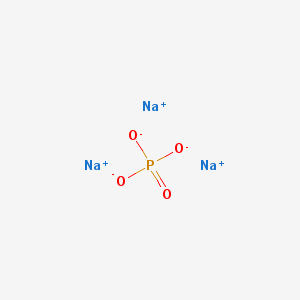
Trisodium phosphate
(7601-54-9)-

Different Grade / 99.9%
$0.1/KG EXW
-

Industrial Grade / 98%
$440-570/MT FOB
-

Industrial Grade / 99%
-



Trisodium phosphate
(7601-54-9)-

Different Grade / 99.9%
$0.1/KG EXW
-

Industrial Grade / 98%
$440-570/MT FOB
-

Industrial Grade / 99%
-

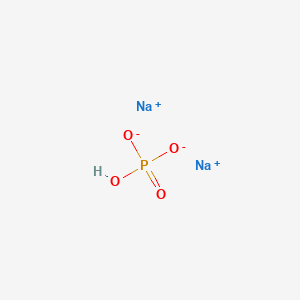
Disodium phosphate
(7558-79-4)-

Industrial Grade / 99%
-

Food Grade / 99%
-

- / 99.00%
-

- / 90.00%


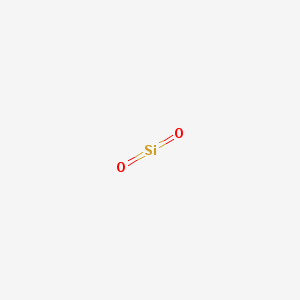
Diatomite
(61790-53-2)-

-

Food Grade / -
-

Top Product / 99%
-

Different Grade / 99.9%
$0.1/KG EXW


Request for quotation , get quotes from more suppliers.
Source Water Softener Raw Materials by Region


More Information
Water softeners are widely utilized in water treatment processes today. They serve as essential agents for reducing the concentration of dissolved minerals, particularly calcium and magnesium ions, in water. This process, known as ion exchange, helps mitigate the negative effects of hard water, such as scaling and soap scum buildup in pipes and appliances.
Water softeners operate on the principle of ion exchange, wherein calcium and magnesium ions in hard water are exchanged for sodium or potassium ions present in the softening agent. This exchange effectively softens the water, making it more suitable for various domestic and industrial applications.
The main components of water softeners typically include:
•Ion exchange resin beads
•Salt (sodium chloride or potassium chloride)
Frequently Asked Questions
A water softener is a device that removes hardness-causing minerals—primarily calcium and magnesium—from household or industrial water supplies. It typically uses an ion exchange process, where hard water passes through a resin bed charged with sodium or potassium ions. These ions swap places with the calcium and magnesium ions, effectively softening the water. This process helps prevent scale buildup in pipes, appliances, and fixtures.
Using a water softener offers several key benefits:1. Extends the lifespan of plumbing systems and water-using appliances by reducing limescale buildup.2. Improves soap and detergent efficiency, leading to cleaner laundry and softer skin.3. Reduces energy consumption in water heaters due to less scale insulating heating elements.4. Minimizes spotting on glassware and fixtures.These advantages contribute to both cost savings and enhanced comfort in residential and commercial settings.
To select the appropriate water softener, consider these factors:1. Water hardness level—test your water to determine grains per gallon (GPG) of hardness.2. Daily water usage—calculate household demand to size the unit correctly.3. Regeneration type—choose between manual, timer-based, or demand-initiated regeneration for efficiency.4. Salt vs. salt-free systems—traditional ion-exchange softeners use salt, while salt-free options condition water without removing minerals.5. Certification—look for units certified by NSF/ANSI Standard 44 for performance and safety.
Yes, water softeners need routine maintenance to operate efficiently. Key tasks include:1. Refilling salt regularly in ion-exchange systems (typically every 1–2 months).2. Cleaning the brine tank annually to prevent salt bridging or mushing.3. Checking resin beads for fouling or degradation every few years.4. Ensuring proper regeneration settings based on actual water usage.Proper upkeep ensures consistent soft water performance and prolongs system life.
Traditional salt-based water softeners discharge brine during regeneration, which can contribute to increased sodium levels in wastewater—potentially affecting septic systems or local waterways. However, modern high-efficiency models minimize water and salt use through demand-initiated regeneration. Alternatives like template-assisted crystallization (TAC) or magnetic water conditioners offer salt-free solutions with lower environmental impact. Always check local regulations, as some municipalities restrict or regulate softener discharge.