Hot spots and pain points in the development of plant extracts
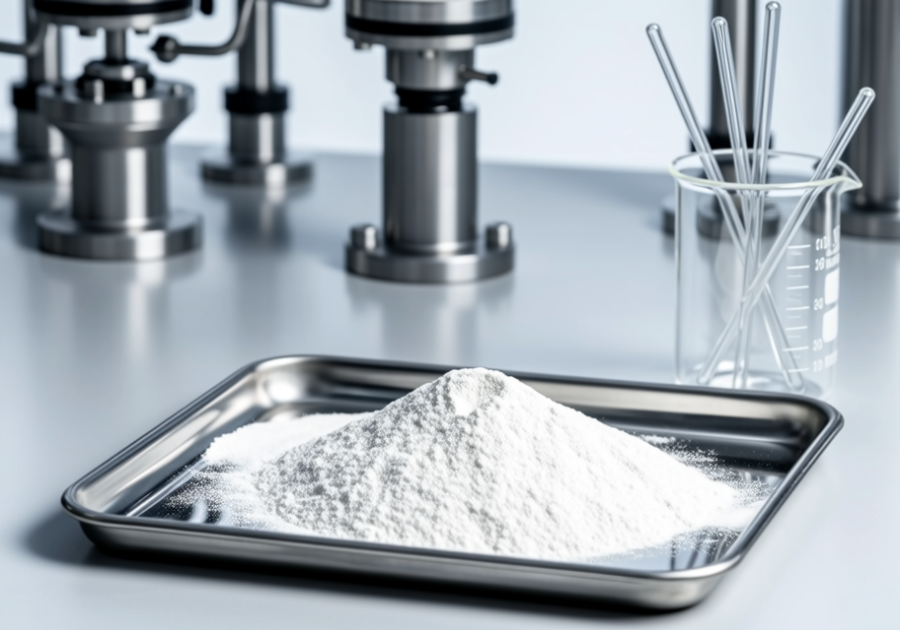
Plant extracts are products made from plants as raw materials, through physical and chemical extraction and separation processes, to obtain and concentrate one or more active ingredients in plants without changing the structure of the active ingredients. The plant extract industry is an emerging industry that has only developed in the past 20 years. It has been widely used in food, medicine, cosmetics, agriculture and other fields. Although it has not been long, it has developed rapidly. The development and application of plant extracts has become An important strategic measure for enterprises to improve their competitiveness.
Development history and current situation
my country's Chinese herbal medicine resources are very rich. There are no less than 10,000 types of Chinese herbal medicines. There are more than 1,000-1200 commonly used ones, among which botanical herbs account for about 90%. The extraction and utilization of plant components has a long history, but it is not No independent industry was formed. It was not until the 1970s that some domestic pharmaceutical companies used machinery to extract Chinese medicine, but it was still only a part of the pharmaceutical industry. Plant extract is a term that includes modern processing technology. It first emerged in Europe and the United States in the 1980s. Because of the increase in industrialization and the deeper use of resources, plant extracts are gradually favored by the market for their natural and healthy properties. Limited by technology, we started late in plant extracts, but developed rapidly. The export volume of plant extracts of Chinese medicine alone accounted for more than 40% of total Chinese medicine exports, and the industry is also developing towards high quality. The export of single raw materials has gradually shifted to diversified applications.
Advantages of plant extracts
The concepts of green consumption and return to nature have become fashionable consumption. The natural properties of plant extracts meet the needs of consumers and are conducive to the construction of a sustainable ecological market. Plant extracts are the middle link of the entire industrial chain. The upstream connects with agricultural planting and the downstream undertakes product development and application. Its product line is highly variable, and its cost and technology input levels are distinct. It is suitable for enterprises at different stages to put into production. The added value is also high.
Application of plant extracts
Plant extracts have diverse types and functions. One type of extract often has different effects, but it can be roughly divided into four categories: coloring, flavor output, pharmacological effects and health care functions.
Coloring: Plant pigments are the main components of the color of plants. Some plants have extremely rich pigment content and can be used for pigment extraction. There are dozens of plant pigments available in my country, such as curcumin, safflower yellow, red radish, and beet red , Sorghum red, chili red and so on.
Flavor output: Plant extracts are often rich in characteristic components, which can effectively stimulate the senses, such as sweeteners and volatile substances. Natural sweeteners are currently popular new types of sweeteners. They not only have outstanding sweetness, but are also an ideal substitute for sucrose, with significant health effects. Such as steviol glycosides, mogrosides and so on. Essential oils are concentrated volatile substances, which are often used in the preparation of spices. They are also the industry with the lowest application threshold in plant extracts, and the regulations are the least restrictive.
Pharmacological effects: The use of Chinese herbal medicines has a long history and is more prosperous in Asia. In recent years, driven by the concept of Chinese medicine, it has become world-renowned.
Health care function: The ingredients in plant extracts include glycosides, acids, polyphenols, polysaccharides, terpenoids, flavonoids, alkaloids, etc. These ingredients have been proven to have biological activity in research and have an effect that cannot be ignored on human health. The development of its health function has become the mainstream application trend of plant extracts.
Pain points in the industry
The strong demand of the market has driven the rapid development of the industry, but there are still many problems to be solved in the industry.
The first is the restriction of laws and regulations. Different countries have different requirements for plant extracts and product applications. For example, North America mainly uses dietary supplements; Europe mainly uses health products and plant medicines; my country uses traditional Chinese medicine and food additives. Mainly. The difference in use directly affects the applicability of the types of raw materials. Only the categories that meet the requirements can enter the market, which is more restrictive.
The second is the uneven distribution of industrial processing. Because of the limitation of technical conditions, our country mainly focuses on crude extracts, while the in-depth development is limited by technology and regulations. The development is not ideal and lacks international competitiveness.
The third is the imperfect supporting system. Plant extracts are an emerging industry in my country. The vast majority of them do not have corresponding production standards and regulations. The supervision lacks effective implementation. Product quality is uneven. There are still many industries on the road to industry standards. A long way to go.
Take curcumin as an example: Curcumin is a hot functional food material, especially in the North American market. Curcumin has covered many fields such as dietary supplements, beverages, and cosmetics. It is mainly used in food coloring agents in China. Although food has also been on the market, it takes a long time for registration and approval, and the cost of enterprise development is high. Recently, in the opinion draft for supplementing the list of health food supplements, it is proposed to list turmeric powder as a health food supplement. Although the maximum usage is still set, it will greatly promote the application of turmeric powder.
It is true that there are still many restrictions in the plant extract industry, but it is undeniable that plant extracts are an unstoppable "star of tomorrow".

You May Interested In


High Quality β-Nicotinamide adenine dinucleotide CAS 53-84-9 NADwith ready stock and best price
$3/UNIT FOB


2026-10-18
Trade Alert
Delivering the latest product trends and industry news straight to your inbox.
(We'll never share your email address with a third-party.)

Related News
-
TriNutra's ThymoQuin black seed oil has obtained a European ingredient patent for its composition
-
Short and Breif Analysis of the Lutein
-
Can the Market Continue To Go Higher As The Cost Of Planting Huang Lian Increases?
-
Review of Top 10 Hot Plant Extracts for 2021-Turmeric, Lutein, Stevia Extract, Menthol, Quercetin, Aronia, Ginkgo Biloba Extract, Ashwagandha Ayurvedic Extract, Capsaicin, Saw Palmetto Extract
-
Recently Wanhua Chemical had 1 large transaction with a transaction amount of 4,689,000 Yuan!
-
World's largest cotton spinner successfully develops bio-based PLA, PHBV range of fabrics!
-
Sensitive Skin Naturally Boundless Blue Chamomile Treatment Oil
-
Overview of the Global Botanical Extracts Market Under Today Economic Model
-
Summary of Plant Extract Industry Characteristics
-
Are the Cosmetics Women Wear Every Day Toxic?
Recommend Reading
-
![Keshun Enters Industrial Coatings: Waterproofing Leader Seeks Growth Beyond Real Estate]()
Keshun Enters Industrial Coatings: Waterproofing Leader Seeks Growth Beyond Real Estate
-
![Why Did Chemical Raw Materials Unexpectedly Escape the Latest Round of U.S. 301 Tariffs on 60 Economies?]()
Why Did Chemical Raw Materials Unexpectedly Escape the Latest Round of U.S. 301 Tariffs on 60 Economies?
-
![Platinum Chemotherapy Shortages Expose the Fragility of Essential API Supply]()
Platinum Chemotherapy Shortages Expose the Fragility of Essential API Supply
-
![Iran's Only MDI/TDI Plant Attacked, Middle East Supply Nearly Zero, Global Gap Widens]()
Iran's Only MDI/TDI Plant Attacked, Middle East Supply Nearly Zero, Global Gap Widens
-
![Fertilizer Costs Rise as Middle East Tensions Pressure Global Food Production]()
Fertilizer Costs Rise as Middle East Tensions Pressure Global Food Production
-
![Phenol Prices Surge in June, Then Retreat; Opening and Closing Prices Remain Roughly Flat]()
Phenol Prices Surge in June, Then Retreat; Opening and Closing Prices Remain Roughly Flat
-
![Insufficient Demand, Cyclohexane Market Negotiations Focus on Lower Prices]()
Insufficient Demand, Cyclohexane Market Negotiations Focus on Lower Prices
-
![In June, the soda ash market in China continued to decline]()
In June, the soda ash market in China continued to decline
-
![In June, the Chinese epoxy resins market saw a significant one-sided decline]()
In June, the Chinese epoxy resins market saw a significant one-sided decline
-
![China’s Marine Fuel Market in June Exhibits an Inverted V-Shaped Trend]()
China’s Marine Fuel Market in June Exhibits an Inverted V-Shaped Trend