Study:Polypropylene bottles may release plastic particles when flushed with milk
A new health research paper published on 20 October in Nature Food, a specialist academic journal of Springer Nature, warns that plastic particles may be released when infant bottles containing polypropylene are used to prepare standard formula. The findings highlight the need for further research into the impact of plastic particles on human health, which is still poorly understood.
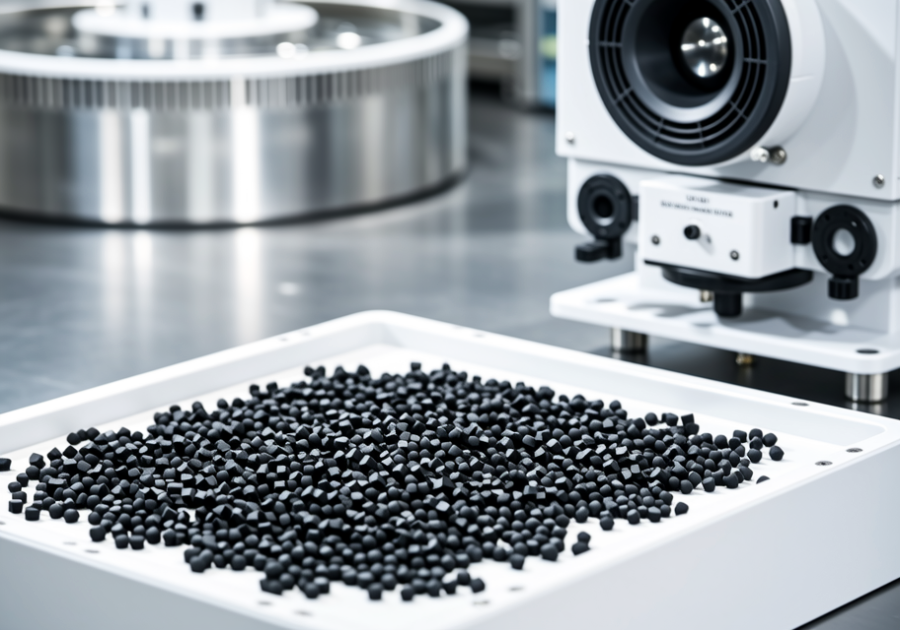
The paper states that polypropylene, which accounts for 20 percent of annual non-fiber plastic production, is the most widely used plastic in food preparation. However, little is known about the release of plastic particles from such containers.
The authors, Jing Jing Wang of Trinity College Dublin, Ireland, and colleagues tested the release of plastic particles from 10 baby bottles, representing the majority of bottles available on the global online market, that were either made of polypropylene or included polypropylene-based accessories, under the sterilization and formula-feeding conditions recommended by the World Health Organization. They found that the plastic particle release of the various bottles tested ranged from 1.3 million to 16.2 million particles. The bottles consistently released plastic particles over the 21-day test period, and the amount of plastic particles released varied depending on different factors such as water temperature.
The authors of the paper then used these data to develop a potential global model of infant exposure to plastic particles. They estimated that during the first 12 months of life, infants fed from polypropylene bottles were exposed to an average of 1.6 million plastic particles per day. They also found that the pattern of exposure varied by region: infants in Africa and Asia had the lowest potential exposure, while infants in Oceania, North America and Europe had the highest potential exposure.
The paper's authors conclude that infants may be exposed to higher levels of plastic particles than previously thought, and that more research is needed to understand how food-contact plastic products release plastic particles during everyday use.
In a companion News & Views article published at the same time, experts say that the levels of exposure to plastic particles presented in the study appear alarming, but that the real-world implications for infant health need further investigation, as the human health effects of plastic particles and nanoplastics are still poorly understood.

You May Interested In


High Quality β-Nicotinamide adenine dinucleotide CAS 53-84-9 NADwith ready stock and best price
$3/UNIT FOB


2026-10-14
Trade Alert
Delivering the latest product trends and industry news straight to your inbox.
(We'll never share your email address with a third-party.)

Related News
-
Polypropylene vs Polycarbonate: What Is the Difference?
-
Global polypropylene supply and demand variables increase steeply
-
2021 half year summary:Olefin and Alcohols
-
Pilot production of new polypropylene products at Luoyang Petrochemical
-
Hormuz Reopening Signal: 155 Tankers Still Waiting
-
Lupin Secures Tentative U.S. Approval for Its Multiple Sclerosis Tablet
-
US MDI Supply Squeeze Triggers Price Hikes
-
The $6 Billion Gold Rush: Generic Semaglutide Set to Reshape Global Pharma After Patent Cliff
-
ADNOC Reroutes Naphtha via Oman to Bypass Hormuz Risk
-
Uzbekistan Bets $17 Billion on Chemical Industry Upgrade
Recommend Reading
-
![EU Greenlights Four GM Crops—But Only at the Border]()
EU Greenlights Four GM Crops—But Only at the Border
-
![Sherwin-Williams Surpasses $100 Billion in Market Cap: Is This the ‘Apple Moment’ for Paint, or America’s Industrial ‘One Hundred Years of Solitude’?]()
Sherwin-Williams Surpasses $100 Billion in Market Cap: Is This the ‘Apple Moment’ for Paint, or America’s Industrial ‘One Hundred Years of Solitude’?
-
![The Carbon Tollbooth Is Open: EU’s CBAM Ushers in a New Era of Climate-Linked Trade]()
The Carbon Tollbooth Is Open: EU’s CBAM Ushers in a New Era of Climate-Linked Trade
-
![Global Chemical Giants Light the Fuse: A TDI/MDI Price Storm Sweeps Asia and Europe—Who’s Fueling This “Cost Carnival”?]()
Global Chemical Giants Light the Fuse: A TDI/MDI Price Storm Sweeps Asia and Europe—Who’s Fueling This “Cost Carnival”?
-
![Carbon Fiber’s Price Surge Signals a New Era of Strategic Value—and Supply Tension]()
Carbon Fiber’s Price Surge Signals a New Era of Strategic Value—and Supply Tension
-
![November Activated Carbon Prices Rise in China]()
November Activated Carbon Prices Rise in China
-
![Crude oil prices fall, China's retail fuel prices are lowered again]()
Crude oil prices fall, China's retail fuel prices are lowered again
-
![Salinity Solution: Preparation and Uses]()
Salinity Solution: Preparation and Uses
-
![November Cyclohexane Market Demand Insufficient, Prices Remain Stable]()
November Cyclohexane Market Demand Insufficient, Prices Remain Stable
-
![Demand Slightly Increases, Butyl Alcohol Prices Rise Narrowly]()
Demand Slightly Increases, Butyl Alcohol Prices Rise Narrowly