Guar Gum vs Xanthan Gum: Similarities and Differences
Guar gum vs xanthan gum - which one is better? If you don't follow a gluten-free diet, you might not be familiar with guar gum or xanthan gum. We'll discuss guar gum and xanthan gum in this blog post, outlining their similarities and distinctions.
What is guar gum?
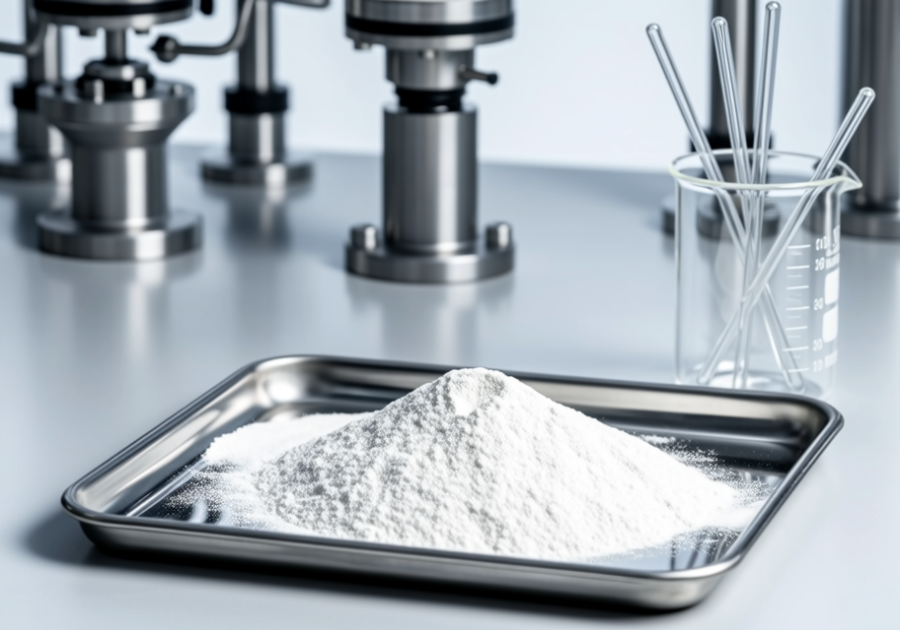
The ground endosperm of the guar bean is used to make guar gum. When the seeds are pulverized and dehulled, they are sieved to extract the whitish powder known as guar gum. In addition to being a hydrocolloid, guar gum is a polysaccharide made of the sugar’s mannose and galactose.
What is xanthan gum?
A polysaccharide, sometimes known as a string of sugars and carbohydrates, is xanthan gum. Xanthan gum is frequently used as a binder in commercial salad dressings, gravies, and sauces. It also aids in the blending of oil and vinegar and prevents the formation of ice crystals in frozen foods like ice cream.
Guar gum vs xanthan gum
- Similarities
While they may have a similar appearance and feel, these two tiny white powdery things are different.
Both gums can virtually equally support the stability of batter and dough. To assist replicate the protein structure that is naturally provided by the gluten contained in wheat, rye, barley, or triticale flour, xanthan gum and guar gum are employed in gluten-free baking (which is both low in gluten and very heavy). It is typically combined with rye or wheat flour when making bread).
Both gum granules act as stabilizers, preventing solid particles from sinking to the bottom and oil droplets from adhering together and separating. The two gums can be used separately or together in different recipes, with varying degrees of success. Both gums typically function best when added to the specified oil component in a food processor or blender and fully combined before the rest of the liquid components are added to the recipe when both gums are required.
- Differences
When it comes to guar gum vs xanthan gum, given their various distinctions, picking one gum over the other won't be too difficult.
- They are sourced in quite different ways
Fermented corn is mostly used to make xanthan gum. The name of the bacterium that it grows from is where it gets its name.
It changes into a gel, which then dries into a powder and is ultimately recognized as xanthan gum in the gluten-free community. Since maize is one of the most genetically modified commodities on the market today and is therefore unlikely to include natural or organic components, the fermentation process can be problematic for many people.
On the other hand, we make and offer guar gum powder that is USDA organic and made from guar beans that are farmed in the United States utilizing sustainable agricultural methods. The majority of guar is farmed for its endosperm, which is 28% endosperm and 22% hull and contains about 50% protein. Several food products use this endosperm as a stabilizer, emulsifier, and thickening.
Commercial guar gum extraction from the plant's seeds involves four steps: roasting, de-husking, grinding, and sifting. The remaining refined powder has an earthy flavor and is off-white in color, resembling flour.
- Guar gum powder is more versatile
Guar gum stands out from its rivals due to its adaptability, popularity, and chemical characteristics. In fact, guar extracts are used in a wide range of sectors besides food, such as those that produce animal feed, agricultural products, horticulture, cosmetics, pharmaceuticals, petrochemicals, textiles, paper, mining, and other industries.
- Cost-effectiveness
Xanthan gum typically costs around $5 more than guar gum for an 8-ounce package, making it slightly more expensive overall. Throughout the past few years, there have been some price changes since guar is more in demand, notably for use in oil drilling applications. Despite this, guar continues to be the most effective and affordable thickening agent available today.
- Taste
The taste of the two gums is a key distinction and frequently determines which one will be bought. Since xantham gum is man-made, its flavor can be altered, and the chemicals employed in manufacture might leave a bad aftertaste. Guar gum powder never has this problem; at worst, it could maintain a nutty or earthy flavor.
- Shelf life
Xanthan gum can endure indefinitely in dry form if stored properly. It has a short shelf life, though, and it is not advised to use it past the expiration date because it no longer functions as well. Guar gum powder, on the other hand, can maintain its qualities for up to 12 to 18 months, and this period can even be prolonged by adding some preservatives.

You May Interested In


Glow70/KLOW80 99% China Peptides Warehouse Direct Delivery Lyophilized Powder in Stock
$169/UNIT FOB


2026-10-10
Trade Alert
Delivering the latest product trends and industry news straight to your inbox.
(We'll never share your email address with a third-party.)

Related News
-
Procter & Gamble Posts Higher Profits on Strong Personal Care Sales and Recovery in China
-
Novo Nordisk’s Oral Wegovy Wins EU Approval as Weight-Loss Competition Shifts from Injections to Pills
-
AstraZeneca Pays Up to $1.5 Billion for Global Rights to Chinese Lung Cancer Drug
-
Wanhua Chemical and Xingfa Group Jointly Develop 5.32 Billion Yuan Phosphate Mine
-
Ingredion Agrees to Acquire Tate & Lyle for $3.6 Billion, Reshaping the Global Specialty Ingredients Market
-
Lotte Chemical Plans Sale of Selected Operations in Malaysia, Indonesia, and the United States
-
BASF to Shut Ulsan EPS Unit: Asia Styrenics Assets Keep Clearing Out
-
Toray to Transfer Stake in Soda Aromatic to Samyang
-
Wanhua Chemical Announces MDI Price Hike Across South and Southeast Asia
-
Sika Strengthens Gulf Foothold with Strategic Acquisition of Gulf Seal
Recommend Reading
-
![LANXESS Launches ISCC PLUS-Certified Version of Additin RC 2515 Lubricant Additive]()
LANXESS Launches ISCC PLUS-Certified Version of Additin RC 2515 Lubricant Additive
-
![Wanhua Chemical and Nippon Paint Forge Strategic Alliance on Waterborne Coatings for PU-GF Composites]()
Wanhua Chemical and Nippon Paint Forge Strategic Alliance on Waterborne Coatings for PU-GF Composites
-
![“The Agency Revolution”: BASF Breaks Into Dongfeng Liuzhou’s Supply Chain]()
“The Agency Revolution”: BASF Breaks Into Dongfeng Liuzhou’s Supply Chain
-
![One Ton of Fake Plastic Nearly Burned China’s Manufacturing Reputation—Wanhua Chemical Exposes the Underbelly of the Chemical Black Market]()
One Ton of Fake Plastic Nearly Burned China’s Manufacturing Reputation—Wanhua Chemical Exposes the Underbelly of the Chemical Black Market
-
![BASF to Build Ammonium Hydroxide Plant in Ludwigshafen, Strengthening Its Electronic-Grade Chemicals Supply Network]()
BASF to Build Ammonium Hydroxide Plant in Ludwigshafen, Strengthening Its Electronic-Grade Chemicals Supply Network
-
![Supply remains generally loose, the acrylonitrile market fluctuates within a range]()
Supply remains generally loose, the acrylonitrile market fluctuates within a range
-
![Polyester Bottle Chip Spot Price Rises on the 14th]()
Polyester Bottle Chip Spot Price Rises on the 14th
-
![Soda Ash Market Trends Remain Stable]()
Soda Ash Market Trends Remain Stable
-
![October DMF Market Prices Weakly Decline]()
October DMF Market Prices Weakly Decline
-
![Ammonium Sulfate Market Trend Weakens and Declines (10.23-10.29)]()
Ammonium Sulfate Market Trend Weakens and Declines (10.23-10.29)