Understanding Dipotassium Phosphate in Food: Benefits and Uses
Are you familiar with dipotassium phosphate in food? This ingredient may sound unfamiliar, but it has many benefits that can promote your health. At echemi, we offer high-quality dipotassium phosphate products that are used in various food applications. In this article, we will explore the topic of dipotassium phosphate, a commonly used food additive. Whether you're a consumer or a food industry professional, understanding dipotassium phosphate's benefits and uses can help you make informed choices about the foods you consume or produce.
What is Dipotassium Phosphate?
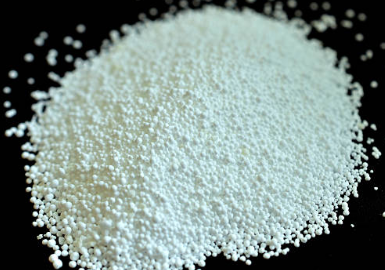
Dipotassium phosphate, often referred to as DKP, is widely employed in the food industry as a versatile food additive. Acting as a buffering agent, emulsifier, and thickener, it enhances the texture, stability, and overall quality of various food products. It is also known by other names such as potassium phosphate dibasic or potassium hydrogen phosphate. This essential ingredient is produced through the combination of phosphoric acid and potassium hydroxide, yielding a white powder with no discernible odor. Notably, dipotassium phosphate readily dissolves in water, allowing for easy incorporation into recipes and facilitating its functional properties in food applications.
Benefits of Dipotassium Phosphate in Food
pH Regulation
Dipotassium phosphate in food acts as a buffering agent, helping stabilize and regulate food products' pH levels. This is particularly important in producing dairy products, where maintaining a specific pH is crucial for product quality.
Emulsification and Texture Improvement
As an emulsifier, dipotassium phosphate promotes the uniform dispersion of fat and water in food products, resulting in improved texture, mouthfeel, and stability. It is commonly used in processed meats, baked goods, and beverages.
Nutrient Preservation
This food additive helps preserve the nutritional value of foods by preventing oxidation and degradation of vitamins and other essential nutrients. It is often added to fortified cereals, infant formulas, and nutritional supplements.
Uses of Dipotassium Phosphate in food
Dairy Industry
Dipotassium phosphate is widely used in the dairy industry to enhance the texture and stability of cheese, yogurt, ice cream products and other products of the same family. It prevents the separation of milk proteins, improving the smoothness and creaminess of these dairy products.
Bakery Products
In baked goods like bread, cakes, and pastries, dipotassium phosphate acts as a leavening agent, contributing to the rise and overall structure of the final product. It also enhances browning and crust formation.
Beverage Industry
This versatile additive finds applications in the beverage industry, particularly in soft and energy drinks. It helps stabilize the pH, improve flavor, and prevent sedimentation.
Conclusion
Dipotassium Phosphate is a valuable food additive with numerous benefits and uses. Its role in regulating pH, emulsification, and nutrient preservation makes it a vital ingredient in various food products. At echemi, we strive to provide you with accurate and reliable information about food additives like dipotassium phosphate. To explore a wide range of quality products, please visit our official website and search for "dipotassium phosphate" in our product catalog. We are committed to helping you make informed decisions about the food you consume or produce.
Looking for chemical products? Let suppliers reach out to you!
You May Interested In


SS-31 Cosmetic peptides, discounted price improving cognitive impairment factory supply
$8E+1/UNIT FOB


2026-09-15
Trade Alert
Delivering the latest product trends and industry news straight to your inbox.
(We'll never share your email address with a third-party.)

Related News
-
Permanganate: Properties, Uses, and Safety
-
Sodium Hydroxide Reactions: With Aluminum, Acids, and Metals
-
Gellan Gum (E418): Vegan Thickener vs. Xanthan Gum in Food
-
Sodium Hypochlorite: Uses, Concentration Guide, and Critical Safety Hazards
-
Isopropyl Alcohol (IPA) vs Ethanol: Which Solvent or Disinfectant is Better?
-
EDTA (Ethylenediaminetetraacetic acid): Chelation Therapy & Industrial Uses
-
Magnesium Stearate in Supplements: Is it Safe? (Vegan Status & Function)
-
Chemical Properties and Uses of Tetraetil
-
Polystyrene (PS): Properties, Foam Applications, and Recycling Challenges
-
Applications of Caesium Iodide
Recommend Reading
-
![Aluminum Sulfate: Industrial and Water Treatment Applications]()
Aluminum Sulfate: Industrial and Water Treatment Applications
-
![Sodium Percarbonate: Uses, Benefits, and Safety]()
Sodium Percarbonate: Uses, Benefits, and Safety
-
![TBHQ: Uses, Safety, and Health Effects]()
TBHQ: Uses, Safety, and Health Effects
-
![Acetonitrile: Properties, Uses, and Safety]()
Acetonitrile: Properties, Uses, and Safety
-
![Acetophenone: Properties, Uses, and Applications]()
Acetophenone: Properties, Uses, and Applications
-
![Weak Supply and Demand Weighs on Butadiene Market in May]()
Weak Supply and Demand Weighs on Butadiene Market in May
-
![Phosphoric Acid Market Prices Rise Strongly (Nov. 21–Nov. 27)]()
Phosphoric Acid Market Prices Rise Strongly (Nov. 21–Nov. 27)
-
![Supply and Demand Under Pressure: Toluene Market Shakes and Declines in May]()
Supply and Demand Under Pressure: Toluene Market Shakes and Declines in May
-
![November Titanium Dioxide Market Trend Summary (November 1, 2025 - November 27, 2025)]()
November Titanium Dioxide Market Trend Summary (November 1, 2025 - November 27, 2025)
-
![Cost Reduction, Weak Demand: DOP Prices in May Fluctuate and Decline]()
Cost Reduction, Weak Demand: DOP Prices in May Fluctuate and Decline