CMC Powder, the Perfect Stabilizer and Thickener You Need
CMC powder is an acronym for Carboxymethyl cellulose powder. It is a water-soluble polymer that is derived from cellulose, a natural polymer found in plant cell walls. It can be used in a variety of industries, such as food, pharmaceutical, and cosmetics. Typical uses include being used as a thickener, stabilizer, and emulsifier. It is a versatile and important ingredient in many industries due to its ability to improve product texture, stability, and performance.
How is CMC Powder Produced?
CMC is produced through a chemical modification process of cellulose. To get it, there are several steps to go through. Firstly, the cellulose is treated with an alkali, usually sodium hydroxide, to create alkali cellulose. The alkali cellulose is then washed to remove impurities.
The second step is etherification. It occurs after the alkali cellulose is treated with monochloroacetic acid or sodium chloroacetate to add carboxymethyl groups onto the cellulose chain, resulting in carboxymethyl cellulose. The reaction is normally carried out in a reactor vessel under temperature, pressure, and pH control.
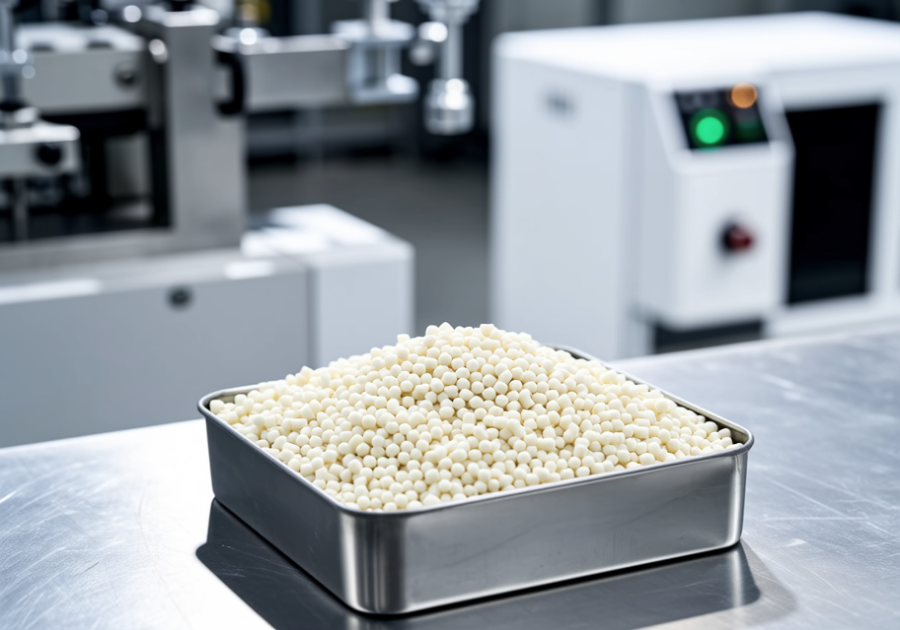
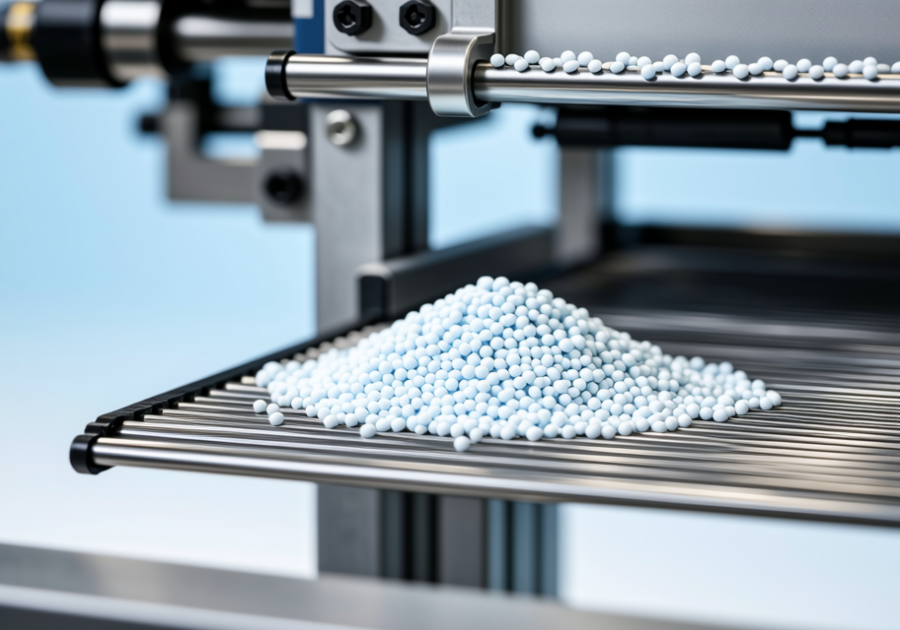
The third step is washing and milling. The carboxymethyl cellulose is then rinsed to eliminate any unreacted compounds and impurities. After it’s purified in this way, the purified CMC is then dried and milled to produce a fine powder. The powder is typically sieved to ensure uniform particle size. The CMC powder is then packaged into bags or containers for storage and distribution.
What are the Advantages of CMC Powder?
CMC has several advantages in various industries. Here are some of the main advantages of it. It is water-soluble and it can easily soluble in water, which makes it easy to use in various applications. It can be dissolved in cold water, and it forms a clear, viscous solution.
Besides, it is a flexible chemical that may be employed in a variety of industries, including food, pharmaceutical, cosmetic, textile, and paper. It also has good thickening and stabilizing qualities, making it suitable as a thickener and stabilizer in a variety of applications. It can improve product texture, consistency, and shelf life.
Furthermore, it is non-toxic and safe for consumption. It is widely used in the food and pharmaceutical industries, where safety is a top priority. Since it is derived from natural sources, such as wood pulp and cotton, and is biodegradable. This makes it an environmentally friendly alternative to synthetic thickeners and stabilizers.
Where is CMC Powder Applied?
Food business: It is widely used as a thickener, stabilizer, and emulsifier in the food business. It is used to improve the texture and consistency of various items, including ice cream, dairy products, baked goods, and sauces.
Pharmaceutical Industry: It is used as a binder, disintegrant, and viscosity enhancer in the pharmaceutical industry. It is frequently utilized in tablet formulations to aid in the disintegration and release of active components.
Cosmetic Industry: It is used in the cosmetic industry as a thickener, stabilizer, and emulsifier in lotions, creams, and other personal care products. After using it, those products become better in stability and texture.
Textile Industry: It is used in the textile industry as a sizing agent to improve the weaving process and to increase the strength and elasticity of fabrics.
Paper Industry: It is used in the paper industry as a coating agent to improve the surface properties of paper, such as smoothness, brightness, and printability.
What’s the Cost of Making CMC Powder?
The cost of producing CMC varies based on a number of parameters, including raw material costs, manufacturing size, and process efficiency. In general, the cost of making it is minimal when compared to many other specialty compounds.
Cellulose, which is sourced from natural sources such as wood pulp or cotton, is the primary raw material used in CMC manufacturing. The price of cellulose can change due to supply and demand considerations, as well as geographical pricing disparities.
Aside from raw material expenses, the manufacturing process entails numerous phases, such as alkali treatment, etherification, washing, purification, and drying, all of which need energy, water, and other resources. The price of these inputs can have an effect on the overall cost of generating CMC powder.
Looking for chemical products? Let suppliers reach out to you!
You May Interested In


Glow70/KLOW80 99% China Peptides Warehouse Direct Delivery Lyophilized Powder in Stock
$169/UNIT FOB


2026-10-12
Trade Alert
Delivering the latest product trends and industry news straight to your inbox.
(We'll never share your email address with a third-party.)

Related News
-
Flavin Adenine Dinucleotide (FAD): Functions and Applications
-
Magnesium Chloride (MgCl₂): Properties, Uses, and Applications
-
Dicalcium Phosphate: Properties, Uses, and Applications
-
What is a Surfactant? (Definition, Types, and How They Work)
-
Oxalic Acid: Acidity (pKa), Sources, and Kidney Stone Risk
-
Potassium Hydroxide (KOH): Soap Making, Batteries, and Safety
-
Uses of Sodium Acetate Trihydrate
-
Key Reactions and Uses of Allene
-
Applications of Copper Sulfate Pentahydrate
-
Nature’s Blueprint, Science’s Edge: Corteva Unveils Twin Breakthroughs to Tackle the $70 Billion Insect Threat
Recommend Reading
-
![Salinity Solution: Preparation and Uses]()
Salinity Solution: Preparation and Uses
-
![Rubber Cement: Applications and Safety Guidelines]()
Rubber Cement: Applications and Safety Guidelines
-
![Ammonia Chemical Formula: NH3 Structure & Properties]()
Ammonia Chemical Formula: NH3 Structure & Properties
-
![Benzyl Alcohol: Uses in Cosmetics, Preservative Efficacy, and Safety]()
Benzyl Alcohol: Uses in Cosmetics, Preservative Efficacy, and Safety
-
![Thymol Gel Wins EPA Approval for Beekeepers]()
Thymol Gel Wins EPA Approval for Beekeepers
-
![Insufficient Downstream Demand Leads to Weak DMF Market Prices]()
Insufficient Downstream Demand Leads to Weak DMF Market Prices
-
![The negative spread has widened, with acrylic acid prices continuously falling and showing weakness domestically in China]()
The negative spread has widened, with acrylic acid prices continuously falling and showing weakness domestically in China
-
![Weak Consumption Leads to Decline in ABS Prices in Mid-May in China]()
Weak Consumption Leads to Decline in ABS Prices in Mid-May in China
-
![PVC Market Prices Fluctuate and Decline Under Dual Supply and Demand Pressures]()
PVC Market Prices Fluctuate and Decline Under Dual Supply and Demand Pressures
-
![Since late July, the Chinese natural rubber market has fluctuated and weakened]()
Since late July, the Chinese natural rubber market has fluctuated and weakened