The Chemical Industry Must Wake Up to the Climate Emergency
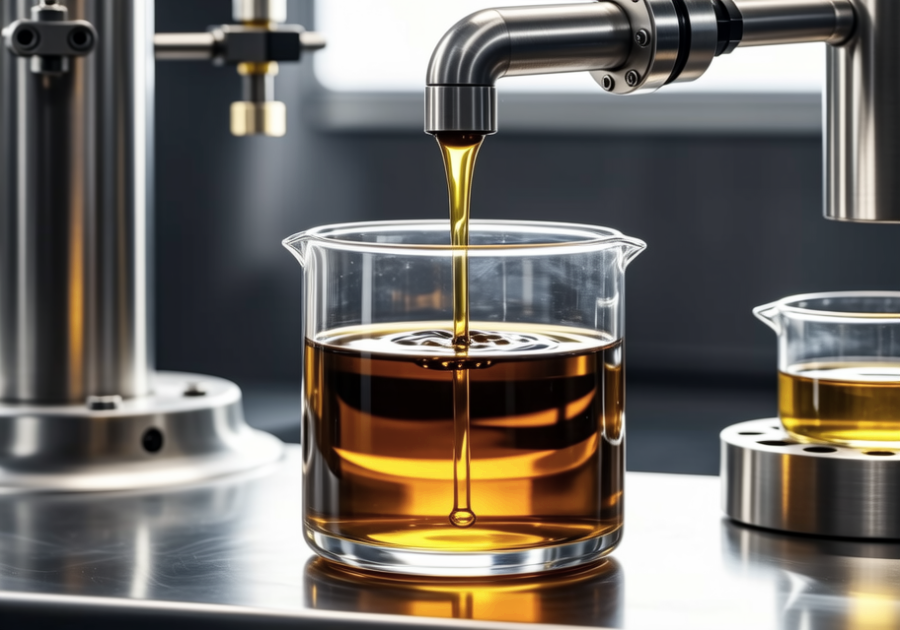
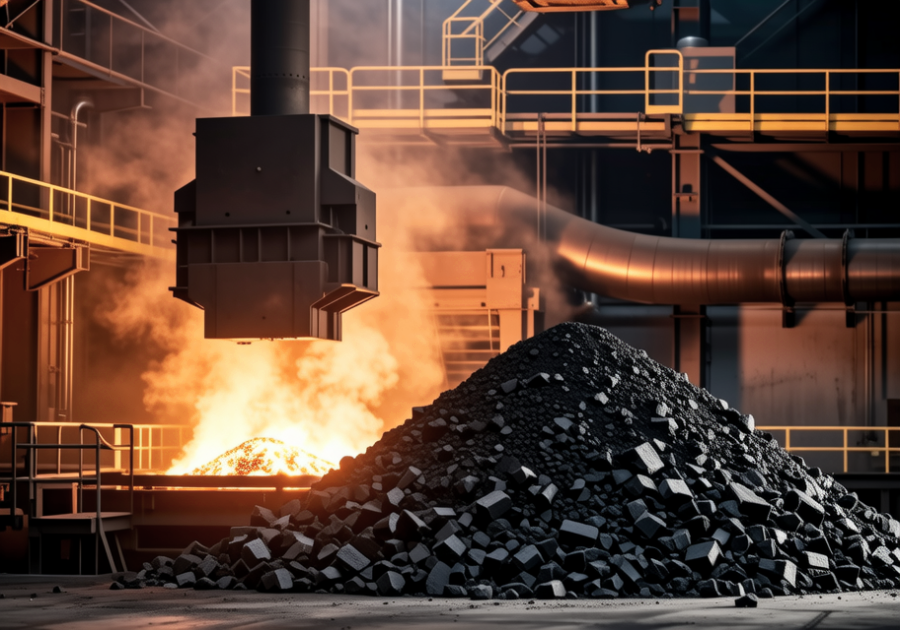
The chemical industry is facing a climate emergency and must take action to reduce its reliance on oil and gas. The industry is heavily dependent on fossil fuels, particularly natural gas, and this needs to change. The transition towards a circular economy and achieving climate neutrality are two areas of great importance. The chemical industry is a key enabler for the decarbonization of many other industries, but it is also carbon-intensive and emits an estimated 3.3 gigatons of greenhouse gas emissions per year, more than India's annual emissions.
The United Nations Secretary-General warns that the world is headed for a climate catastrophe without urgent action. The recommendations in the report are clear: end our reliance on fossil fuels, avoid a lock-in of new fossil fuel infrastructure, and invest massively in renewables. The Emissions Gap Report 2022 finds that only an urgent system-wide transformation can avoid an accelerating climate disaster. UNEP is at the forefront of efforts to support the Paris Agreement goal of keeping the global temperature rise well below 2°C and aiming - to be safe - for 1.5°C, compared to pre-industrial levels.
To address these challenges, the chemical industry needs to start transforming itself now. Chemical business leaders must become part of the solution, not the problem. There is new demand for chemicals to mitigate climate change, and the industry must rise to the challenge. Consumers may consume less energy and materials, so smaller scale plants may be more suitable. Regulators are pushing for demand-side reform to cut consumption.
Without changing how chemicals are manufactured, and changes from the wider industry and beyond, we could face a rise in global temperatures of. To achieve a sustainable chemical sector, an interdisciplinary approach is needed throughout the value chain, from primary chemical production to disposal of petrochemical-derived products. The Future of Petrochemicals introduces a scenario that outlines an alternative path for the chemical sector that helps achieve several UN Sustainable Development Goals. The Clean Technology Scenario explores opportunities to mitigate air and water pollution, and the water demand associated with primary chemical production, alongside the overarching goal of reducing CO2 emissions.
In conclusion, the chemical industry must wake up to the climate emergency and take action to reduce its reliance on oil and gas. The industry is a key enabler for the decarbonization of many other industries, but it is also carbon-intensive and emits a significant amount of greenhouse gas emissions. An interdisciplinary approach is needed throughout the value chain to achieve a sustainable chemical sector.

You May Interested In


High Quality β-Nicotinamide adenine dinucleotide CAS 53-84-9 NADwith ready stock and best price
$3/UNIT FOB


2026-10-16
Trade Alert
Delivering the latest product trends and industry news straight to your inbox.
(We'll never share your email address with a third-party.)

Related News
-
30 hours of heavy rain! Tens of thousands of factories in Shandong and Hebei may be in crisis!
-
Crude Tanker Freight From the Americas to Asia Tops $80 Million per Voyage Amid Global Shipping Crunch
-
Evonik Releases Financial Results Statement and Expects No Recovery in Global Chemical Market Demand in 2026
-
“The 40-Year Ethylene Giant Collapses”: ExxonMobil’s Premature Shutdown Is Not Just Scotland’s Tragedy—It’s the Twilight Elegy of European Industrial Civilization
-
Indian Immunologicals Pushes Back on “Fake Vaccine” Claims Amid Global Supply Chain Scrutiny
-
Obesity Drugs Become Pharma’s Most Powerful Growth Engine
-
Substandard Drug Findings Expose Deep Structural Gaps in Medicine Quality Control
-
Minoxidil Safety Under Global Review as Infant Exposure Risks Surface
-
Libya’s Largest Refinery Faces Full Shutdown After Five Rounds of Airstrikes
-
“Amputation or Strategic Retreat?”: Shell’s Six-Year Chemical Losses and the Quiet Unwinding of an Empire
Recommend Reading
-
![SIBUR’s Massive Siberian Petrochemical Complex Shuts After Drone Attack, LPG Supply Disrupted]()
SIBUR’s Massive Siberian Petrochemical Complex Shuts After Drone Attack, LPG Supply Disrupted
-
![Oil-Coal Price Gap Widens! Coal Chemical Enterprises See Significant Profit Surge in H1 2026]()
Oil-Coal Price Gap Widens! Coal Chemical Enterprises See Significant Profit Surge in H1 2026
-
![Fertilizer Costs Rise as Middle East Tensions Pressure Global Food Production]()
Fertilizer Costs Rise as Middle East Tensions Pressure Global Food Production
-
![Fertilizer Costs Rise as Middle East Tensions Pressure Global Food Production]()
Fertilizer Costs Rise as Middle East Tensions Pressure Global Food Production
-
![Platinum Chemotherapy Shortages Expose the Fragility of Essential API Supply]()
Platinum Chemotherapy Shortages Expose the Fragility of Essential API Supply
-
![This Week’s Petrocoke Market Prices Rise]()
This Week’s Petrocoke Market Prices Rise
-
![2026 Q1 Chemical Giant Earnings: Supply Contraction, Flat Demand, Full-Scale]()
2026 Q1 Chemical Giant Earnings: Supply Contraction, Flat Demand, Full-Scale "Defense Priority"
-
![Business Society October 12, 2026 Palm Oil Trend Analysis: Volatility]()
Business Society October 12, 2026 Palm Oil Trend Analysis: Volatility
-
![Raw Material Prices Surge, Phthalic Anhydride Price Exceeds 10,000 Yuan per Ton in September in China]()
Raw Material Prices Surge, Phthalic Anhydride Price Exceeds 10,000 Yuan per Ton in September in China
-
![Coke market remains stable with a strengthening trend, many regions in China initiate price increases]()
Coke market remains stable with a strengthening trend, many regions in China initiate price increases